The kitchen is more than a place to prepare meals. It is often where families gather, conversations happen, routines begin, and memories are created. When the space feels outdated, cramped, or difficult to use, even simple daily activities can become frustrating. This is where kitchen remodeling can make a meaningful difference. A well-planned remodel can improve functionality, storage, appearance, comfort, and overall value while creating a space that better fits the household’s needs. Whether the goal is a simple update or a major transformation, understanding the remodeling process can help homeowners make thoughtful decisions from beginning to end. Contact Builderland to learn more.
What Is Kitchen Remodeling?
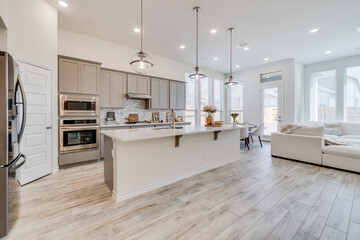
Kitchen remodeling involves updating, improving, or changing different parts of an existing kitchen to create a more functional and attractive space. The project can range from relatively simple improvements, such as replacing cabinet finishes and countertops, to larger changes involving flooring, lighting, appliances, plumbing, and the overall layout. The scope of a remodel depends on the condition of the current kitchen and the goals of the homeowner. Careful planning is essential because even small changes can affect other parts of the room.
Unlike simply decorating a kitchen, remodeling often involves physical changes to the space. Cabinets may be replaced or refinished, walls may be altered, and electrical or plumbing systems may need adjustments. The project should therefore begin with a clear understanding of what needs to change and why. A practical remodeling plan considers both appearance and everyday use. The best results usually come from combining attractive design choices with improvements that make cooking, cleaning, storage, and movement easier.
Planning a Kitchen Remodeling Project
Planning is one of the most important stages of kitchen remodeling. Before choosing colors, materials, or appliances, homeowners should identify the main problems with the existing kitchen. Limited storage, insufficient counter space, poor lighting, outdated surfaces, and an inefficient layout are common reasons for remodeling. Understanding these problems can help determine which improvements should receive the most attention.
Budget planning is equally important. Kitchen remodeling costs can vary widely depending on the size of the room, materials selected, labor requirements, and complexity of the project. Homeowners should establish a realistic budget before making major purchases or design decisions. It is also wise to account for unexpected expenses because older kitchens may reveal hidden problems once walls, floors, cabinets, or fixtures are removed. A well-prepared budget can help keep the project organized and reduce unnecessary financial stress.
Choosing the Right Kitchen Layout
The layout has a major influence on how efficiently a kitchen functions. A beautiful kitchen can still be frustrating if appliances, cabinets, and work surfaces are positioned poorly. During remodeling, homeowners have an opportunity to improve the relationship between cooking areas, storage, preparation surfaces, and cleaning zones. The layout should allow people to move comfortably while completing everyday tasks.
Different kitchen layouts can support different needs. Some kitchens benefit from a compact arrangement that keeps everything within easy reach, while larger spaces may accommodate an island or multiple preparation areas. The location of appliances should also be considered carefully. Refrigerators, cooking appliances, and sinks should be positioned in a way that supports efficient movement. A thoughtful layout can make the kitchen feel more spacious while improving its overall usability.
Updating Kitchen Cabinets
Cabinets are among the most noticeable features in a kitchen, making them an important part of any remodeling project. Homeowners may choose to replace outdated cabinets, refinish existing ones, or modify selected sections. The best option depends on the condition of the current cabinetry, the desired appearance, and the available budget. If the cabinets are structurally sound, refinishing can sometimes provide a dramatic visual change without requiring complete replacement.
New cabinet designs can also improve storage and organization. Features such as deeper drawers, adjustable shelving, pull-out storage, and specialized compartments can make better use of available space. Cabinet color and finish should complement the rest of the kitchen while supporting the desired design style. Since cabinets occupy a large portion of the visual area, choosing the right combination of style, color, hardware, and storage features can have a significant impact on the finished room.
Selecting Kitchen Countertops
Countertops need to balance appearance with durability because they are exposed to frequent daily use. Food preparation, spills, heat, cleaning, and repeated contact can gradually affect surfaces. When selecting a countertop material, homeowners should consider how the surface will be used and how much maintenance they are willing to perform. Different materials offer different levels of durability, resistance, appearance, and maintenance requirements.
The color and pattern of the countertop should also work with the cabinets, flooring, backsplash, and walls. A heavily patterned countertop can become a focal point, while a simple surface can allow other design elements to stand out. The thickness and edge profile can also influence the overall appearance. Choosing a countertop that combines practicality with the desired visual style can help create a kitchen that remains attractive and useful over time.
Improving Kitchen Lighting
Lighting is often overlooked during kitchen remodeling, but it can dramatically affect both appearance and functionality. A kitchen needs enough light for food preparation, cooking, cleaning, and other activities. Poor lighting can create shadows across countertops and work areas, making everyday tasks more difficult. A remodeling project provides an opportunity to improve both natural and artificial lighting.
Different types of lighting can serve different purposes. General lighting can illuminate the entire room, while task lighting can provide focused illumination over countertops, sinks, and cooking areas. Decorative fixtures can also add character and reinforce the overall design style. Layering different types of lighting can make the kitchen more comfortable and adaptable throughout the day.
Choosing Kitchen Flooring
Kitchen flooring needs to withstand frequent foot traffic, spills, moisture, and regular cleaning. During remodeling, homeowners should consider both the appearance and practical performance of the flooring material. A surface that looks attractive but is difficult to maintain may become inconvenient over time. Durability is particularly important in busy kitchens where floors are exposed to constant activity.
The flooring should also complement the cabinets and other finishes. Light-colored flooring can contribute to a brighter appearance, while darker materials can create contrast and visual depth. Texture and surface characteristics may also affect safety and maintenance. Choosing suitable flooring can help create a kitchen that looks cohesive while remaining comfortable and practical for everyday use.
Adding a Kitchen Backsplash
A backsplash can provide both functional and decorative benefits. It helps protect walls behind sinks, cooking areas, and countertops from splashes and stains. At the same time, it creates an opportunity to introduce color, texture, or pattern into the kitchen. Because backsplashes are available in many styles and materials, they can be customized to suit nearly any design preference.
The backsplash does not necessarily have to match the countertops exactly. Coordinating colors and complementary textures can create a more interesting appearance. Homeowners should consider how the backsplash interacts with cabinet colors, countertop patterns, lighting, and flooring. A carefully selected backsplash can become a visual focal point without overwhelming the rest of the room.
Improving Kitchen Storage and Organization
One of the biggest advantages of remodeling is the opportunity to improve storage. Older kitchens may contain cabinets and drawers that do not make efficient use of available space. Remodeling can introduce storage solutions that make frequently used items easier to access and reduce clutter. Better organization can also make a kitchen feel larger and more comfortable.
Storage should be designed around the way the kitchen is actually used. Cooking utensils, cookware, dishes, food supplies, and cleaning products may all require different storage solutions. Deep drawers can make larger cookware easier to access, while specialized organizers can improve the use of smaller spaces. Thoughtful storage planning can make everyday tasks more efficient and help maintain a cleaner kitchen.
Choosing Appliances for a Remodeled Kitchen
Appliances are another important consideration during kitchen remodeling. Refrigerators, ovens, cooktops, dishwashers, and other appliances should fit comfortably within the planned layout. Their size and placement can affect cabinet dimensions, electrical requirements, ventilation, and available counter space. Choosing appliances before finalizing the layout can help prevent compatibility problems.
Energy efficiency may also be an important consideration. Modern appliances can offer features designed to reduce energy or water consumption while providing improved functionality. Homeowners should consider their cooking habits and household needs rather than selecting appliances based only on appearance. The best appliances should support the way the kitchen is used while fitting naturally into the overall design.
Final Thoughts
Kitchen remodeling is an opportunity to create a space that combines beauty, comfort, organization, and practical functionality. From improving the layout and updating cabinets to choosing durable countertops, better lighting, suitable flooring, and efficient appliances, every decision can contribute to the final result. Successful remodeling begins with careful planning and a clear understanding of the problems the project is intended to solve. Homeowners should balance personal style with practical considerations so the finished kitchen remains useful long after the remodeling work is complete. With thoughtful design and careful attention to detail, a remodeled kitchen can become a more enjoyable, efficient, and welcoming part of the home.