Commercial Concrete Services: Building Durable, Functional, and Professional Spaces

Commercial concrete services are essential for creating strong, reliable, and visually appealing structures that support business operations. Concrete is widely used in commercial construction due to its durability, versatility, and ability to withstand heavy traffic and demanding environments. From foundational work to finished surfaces, professional GK Construction Solutions ensures long-lasting performance and compliance with industry standards.

concrete services

Businesses rely on concrete structures for safety, accessibility, and functionality. Properly installed and maintained concrete surfaces contribute to efficient operations and a professional appearance. Understanding the scope and benefits of commercial concrete services helps property owners and developers make informed decisions.

Understanding Commercial Concrete Services

Commercial concrete services include the installation, repair, and maintenance of concrete structures used in business and industrial properties. These services address a wide range of applications, including structural components, flatwork, and specialty concrete projects.

Commercial concrete differs from residential concrete in scale, load requirements, and complexity. Projects often require specialized planning, reinforcement, and coordination to meet operational demands and safety requirements.

Professional concrete services ensure that each project is tailored to the specific needs of the commercial environment.

Importance of Concrete in Commercial Construction

Concrete plays a critical role in commercial construction due to its strength and durability. It provides the structural support necessary for buildings, parking areas, and high-traffic spaces.

In addition to strength, concrete offers design flexibility. Modern techniques allow for finishes that enhance appearance while maintaining functionality. This balance is especially important in commercial settings where aesthetics and performance are equally valued.

Key advantages of commercial concrete include:

  1. High load-bearing capacity and durability
  2. Adaptability to various design and functional requirements

These qualities make concrete a foundational material in commercial projects.

Types of Commercial Concrete Services

Commercial concrete services encompass a broad range of solutions designed to meet diverse business needs. These services address both new construction and existing structures.

Installation services include foundations, slabs, and structural elements. Repair and restoration services focus on addressing wear, damage, and surface deterioration. Maintenance services help preserve concrete integrity over time.

Each service is customized to ensure optimal performance in commercial environments.

Foundations and Structural Concrete

Foundations are the backbone of any commercial structure. Commercial concrete services ensure that foundations are designed and installed to support the weight and layout of the building.

Structural concrete includes columns, beams, and load-bearing walls. These elements require precise engineering and high-quality materials to ensure safety and longevity.

Proper foundation and structural work are critical for the stability and success of commercial projects.

Commercial Flatwork Applications

Commercial flatwork includes concrete surfaces such as sidewalks, floors, loading areas, and entryways. These surfaces must be durable enough to handle heavy foot traffic, equipment, and vehicles.

Flatwork installation focuses on achieving level surfaces, proper drainage, and slip resistance. These factors contribute to safety and usability.

High-quality flatwork enhances both functionality and appearance in commercial spaces.

Parking Areas and Access Surfaces

Parking areas and access surfaces are essential components of commercial properties. Concrete parking lots, drive lanes, and ramps provide durable solutions that withstand constant use.

Concrete surfaces offer long-term performance with minimal maintenance compared to other materials. Proper installation reduces the risk of cracking and surface deterioration.

Well-designed access surfaces improve traffic flow and user safety.

Decorative and Architectural Concrete

Decorative and architectural concrete solutions add visual appeal to commercial spaces. Businesses often use decorative finishes to create a polished and professional environment.

Stamped, stained, and textured concrete can be applied to entryways, plazas, and interior floors. These finishes enhance aesthetics while maintaining durability.

Architectural concrete supports branding and design goals without sacrificing performance.

Concrete Repair and Restoration

Commercial concrete repair services address damage caused by wear, weather exposure, and heavy use. Cracks, spalling, and surface erosion can compromise safety and appearance if left untreated.

Repair techniques are selected based on the extent of damage. Solutions may include patching, resurfacing, or structural reinforcement.

Timely repairs extend the lifespan of concrete surfaces and reduce long-term maintenance costs.

Importance of Proper Installation and Reinforcement

Proper installation is critical for the success of commercial concrete projects. Professional services focus on accurate mixing, placement, and curing to achieve optimal strength.

Reinforcement methods such as steel reinforcement improve load-bearing capacity and reduce cracking. These techniques ensure that concrete structures perform reliably under demanding conditions.

Attention to detail during installation supports durability and safety.

Compliance and Safety Standards

Commercial concrete services must meet safety and performance standards. Compliance ensures that structures are safe for occupants and meet operational requirements.

Professional concrete providers stay informed about best practices and industry expectations. Their expertise ensures that projects align with safety guidelines and quality benchmarks.

Compliance-focused services protect property owners from potential liabilities.

Maintenance and Longevity of Commercial Concrete

Regular maintenance helps preserve the performance and appearance of commercial concrete surfaces. Cleaning, sealing, and periodic inspections reduce the impact of wear and environmental exposure.

Maintenance strategies are tailored to usage patterns and surface conditions. High-traffic areas may require more frequent care.

Proper maintenance extends the lifespan of concrete and maximizes return on investment.

Choosing Professional Commercial Concrete Services

Selecting the right commercial concrete services provider is essential for project success. Experience, technical expertise, and reliable project management are key considerations.

Professional commercial concrete services typically offer:

  1. Detailed project planning and quality materials
  2. Skilled installation and dependable workmanship

Working with experienced professionals ensures efficient project completion and high-quality results.

Long-Term Value of Commercial Concrete Services

Investing in professional commercial concrete services provides long-term value for businesses. Durable concrete structures reduce repair costs and support daily operations.

Concrete improvements also enhance the professional appearance of commercial properties. Well-maintained concrete surfaces contribute to positive impressions for clients and customers.

Long-term durability and visual appeal make concrete a smart investment for commercial environments.

Sustainability in Commercial Concrete Projects

Sustainability is an increasingly important consideration in commercial construction. Concrete’s long lifespan reduces the need for frequent replacement, minimizing material waste.

Modern concrete practices emphasize efficient resource use and improved durability. These approaches support sustainable building goals while maintaining performance.

Sustainable concrete solutions align with evolving business priorities.

Commercial concrete services provide essential solutions for building strong, functional, and visually appealing business spaces. From foundations and flatwork to decorative finishes and repairs, concrete supports a wide range of commercial needs.

Professional installation and maintenance ensure long-lasting performance and safety. By investing in quality commercial concrete services, businesses can enhance operations, protect their property, and achieve lasting value.

Visit our Professional Services Blogs

Chris Atkins Lawncare, Atticus Landscaping, Treasure Coast Pressure Wash, Gulf Beach Plumbing, Marlborough Plumbing, Guns And Hoses Pressure Washing, Ambrose Construction, Coral Gables Pressure Washing, Willco Photography, Roofing Akron, Danalogsdon Roofing El Cajon, EC Siding Roofing Windows, Aurora Gutter, American Insurance Source, ECO, etdn, Denison Service League,  Roofing Blog, Atlantic Vinyl Windows, Brookshires Fireplaces, JD Advanced Remodeling, Product Judgment, Master Dry Foundation Repair, Moe’s Hip, Elta Patio Paramount, Rock Around The Clock Festival, Learn, Play, Beyond, MoralesT Gardening, Car Window Tinting Perth, Duncan Carpentry, Gatestone Lighting, Mid Missouri Mold Inspections, Stucco Repair Albuquerque, Wausau Siding Hire, Munster Tree Care, Blue Granite Homes, Custom House, CENTRAL OS, Atlanta Pavers, Phillips Law Firm, Brent Ryder MasonryWalker Construction Drywall Division, RJ Law, Caledon Plumbing, DDS Tech USA, Maine Mortgage Services, Inckpen, Seasons at Rose Creek, Cottonwood Place Dental, Cosmetic Laser 2000 

Why You Should Consider Replacement Windows

The first step when shopping for replacement windows is to take your initial measurements. This will give you a rough opening window measurement that professionals can use when ordering your new windows.

Replacement Windows

Measure horizontally from the bottom of your frame at the left, middle, and right side jambs. Circle the smallest number for your rough opening width measurement.

Often, one of the main reasons homeowners decide to upgrade their windows is energy efficiency. The good news is that modern double-pane and triple-pane Replacement Windows can offer better insulation than older single-pane windows, lowering your energy costs. In fact, according to ENERGY STAR, replacing old single-pane windows with energy-efficient ones can cut your heating and cooling costs by 20% – 31%.

Energy-efficient Replacement Windows also provide improved weather protection and reduced noise from outside. They reduce the amount of frigid air that leaks into your home in winter and hot outdoor air that seeps in during summer. They prevent the formation of drafts, which makes your home feel warmer and more comfortable year-round and allows you to lower your heating and cooling bills.

New and replacement windows are available in a wide variety of shapes, sizes, materials, colors, and operational styles. They are also designed with a range of glass options to meet the needs and budgets of all types of homes.

Most replacement windows come in two forms: full frame and insert windows. Full frame windows are installed in new construction and major renovations that require removal of the exterior window trim and siding. They are more expensive than insert windows because they replace the entire window frame.

Insert windows, which fit into the existing window frames, are less expensive than full frame windows and offer many of the same benefits. However, they are a bit more difficult for do-it-yourselfers to install because they must be custom-sized for each window. In addition, they may be slightly smaller than the original window, reducing the view.

When selecting replacement windows, look for the NFRC label. This indicates the window’s energy performance and contains important information, including its U-factor, which measures how well it keeps heat from escaping your home, and its Solar Heat Gain Coefficient, which rates how well it blocks the sun’s heat from penetrating your home.

Energy-efficient windows are a great investment that can add value to your home and help you save money on heating and cooling bills. They are also attractive to potential homebuyers and can increase your resale value.

Natural Light

The light coming into your home through windows is more than just beautiful, it helps keep you healthy. Research has shown that exposure to natural light improves mood, lowers stress levels and aids in weight loss. It also makes people more productive. If your home is lacking in natural light, it may be time to consider replacing your windows.

One of the most popular reasons to install new windows is to save money on energy costs. However, it’s important to recognize that inefficient windows can actually cost you more money over the long run if you don’t address the underlying issues that cause poor performance, such as water infiltration and damaged insulation.

You’ll also want to ensure that the new windows you choose are appropriate for your home’s architecture and style, as well as your budget. A qualified window specialist will help you evaluate your options and choose the best solution.

There are two types of replacement windows: insert and full frame. Insert windows fit into an existing window frame and replace the glass and moving parts, but do not replace the entire frame. They are sometimes referred to as pocket windows. Full frame replacement windows, on the other hand, include a completely new window that is installed into an existing wood or vinyl casing.

Many homeowners use their new windows as a opportunity to spruce up the look of their home. The right window style and color can create a more updated appearance that will increase your home’s value and curb appeal. Some manufacturers offer a wide variety of colors, styles and grid patterns to give your windows an individual look.

The best windows are not just functional and aesthetically pleasing, they’re also durable and easy to maintain. For example, many modern windows feature between-the-glass blinds and shades that are protected from dust when they’re open. This feature makes cleaning your windows easier and less time consuming than ever. Additionally, the windows’ low maintenance materials and high quality craftsmanship are designed to last for years of trouble-free operation.

Better Appearance

It is possible to find replacement windows that look like they could have been part of your original home, and still meet modern energy efficiency and weather protection standards. The key is to focus on what’s important to you. That means avoiding compromises on style, components, or features that don’t seamlessly align with your vision for the home and property.

You can also improve the appearance of your home without a major renovation project by replacing old windows with new replacement windows that offer many design and styling options to fit your needs. This includes choosing a wide range of frame types, colors, and hardware finishes to complement the exterior of your house. Window styles with tilt-to-clean and lift-out panels make cleaning easier, while optional multi-point locking systems improve security and safety.

Many homeowners prefer to maximize light and views, a trend that’s driving a move away from muntins — vertical and horizontal grids that divide a full pane of glass into sections, often Colonial-style. Another emerging trend is narrow sashes that create a more minimal look, and a slimline frame that’s easier to clean.

These trends are helping drive the popularity of newer replacement window technologies that deliver high performance with a more traditional, sleek appearance. Manufacturers are also offering wood-look frames with vinyl or aluminum-clad materials that protect against weather and other damage, and a variety of interior finishes. Some manufacturers are even offering a wide choice of wood species and grain patterns.

In addition to the aesthetics, many replacement windows are designed for easy installation. Some are available as “pocket” replacements, which replace only the sashes (the upper and lower parts of the window that hold the glass) and slide into place inside the existing frame. Other replacements are a bit more involved, and are referred to as new-construction replacement windows; these require removing the entire old window frame, sill, and trim.

Regardless of what type of replacement window you choose, it’s important to check the quality of materials and workmanship before making a purchase. To help, consult with a local window expert or reputable online resources such as the Window Preservation Alliance directory.

Reduced Noise

Whether you’re home alone or entertaining guests, your home should be a quiet sanctuary from the outside world. But if your windows are old and worn, noises from traffic or heavy equipment can easily filter in and keep you from relaxing at home. New replacement windows help reduce outside noises so you can enjoy your home’s serenity.

One of the primary ways that new windows reduce noise is by preventing airborne sound waves from passing through the glazing. The double and triple pane glass that most replacement windows feature acts as a secondary barrier to stop exterior sound from transferring into your home. In addition, many window manufacturers offer laminated glass that helps reduce outside noise even more by absorbing and dissipating sound waves before they reach your interior walls.

Other window features that reduce outside noises include a tight seal and insulation. Insulation helps prevent the transfer of heat between the inside and outside of your home, which reduces conductive noise. In addition, the frame of a new replacement window may be made from a dense material like wood or vinyl. This is a much better option than metal frames that transmit sound very easily.

The type of installation process you choose can also play a role in how well your replacement windows reduce outside noise. Flush flange windows install flush against your wall frame and can be secured to the surrounding stucco finish. Insert replacement windows, on the other hand, fit directly into your existing window frame and are a good choice for homes that have a traditional style. They can help preserve the frame, trim and siding of your home, especially with century-old homes that exude a specific architectural style.

Another way that replacement windows can reduce noise is by filling the space between the window’s glass with a gas. The gap is usually filled with argon, which is a poor conductor of heat and helps to reduce the transmission of noise. Some manufacturers also make windows that are vacuum sealed, which is even more effective at reducing outside noises.

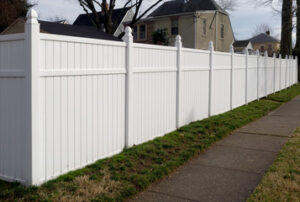
The Benefits of a Vinyl Fence

When compared to traditional wooden fences, vinyl is more cost-effective and easier to maintain. It resists rot, sagging, and insects. It also can withstand harsh weather conditions such as heat and freezing winters.

Vinyl Fence

Although it can occasionally have algae, mildew, or mold grow on it (especially if it’s near a sprinkler that keeps the area damp), it is generally easy to clean off. A quick spraying with a hose will usually suffice.

If you are considering a vinyl fence for your home, you’ll need to know how much it will cost. Its overall cost depends on a number of factors, including the type of fence and installation. You should also consider additional elements like gates, lighting, and more. Adding these features will increase the total cost of the project. It’s also a good idea to hire a professional contractor, as they will be able to provide you with an accurate quote for your new vinyl fence.

There are many different types of vinyl fences, each with its own unique price range. The most expensive type is a full-privacy vinyl fence, which will cost about $55 per linear foot. Other vinyl fences may cost less, but they won’t offer the same level of privacy as a full-privacy fence.

Another factor that will affect the price of your vinyl fence is the type of manufacturing method. The two main methods of manufacturing vinyl are mono-extrusion and co-extrusion. Both can produce high-quality vinyl, but the mono-extrusion method tends to be more expensive.

Compared to wood fences, vinyl fences are more durable and require significantly less maintenance. They are also resistant to insects, which can damage wood fences. For example, termites and carpenter ants will not eat or damage vinyl fencing, unlike wood. In addition, vinyl is non-toxic and does not need to be treated with harmful chemicals.

Another advantage of vinyl is that it will not be damaged by wind, which can damage wood fences. However, if a large tree falls on your vinyl fence, it may be necessary to replace one panel. In this case, your homeowner’s insurance should cover the repair.

Durability

If you are looking for a durable, low-maintenance fence that will look great for years to come, a Vinyl Fence is the perfect option. Unlike wood or metal, vinyl is not susceptible to rotting, warping, or insect infestation. It also holds up well to harsh weather conditions, including extreme temperatures and heavy rains. Additionally, vinyl fences do not require repainting or splintering and are very easy to clean.

Vinyl is a man-made material that has been engineered with exact precision, making it incredibly strong and nearly impervious to the elements that cause decay in organic materials such as wood. It also does not rust or corrode, and it is resistant to termites, carpenter ants, and other pests. Moreover, it is not affected by changes in temperature, such as the summer heat or freezing winter weather. In addition, it is highly fire resistant and self-extinguishing.

Another benefit of a Vinyl Fence is that it is extremely safe for children and pets to play on. Unlike wood fences, vinyl is smooth and does not have sharp edges or nails that can lead to injuries. The lack of nails also means that the fence does not pose a tripping hazard, and it is more difficult for burglars to break into the property.

Vinyl Fence is very easy to maintain, making it a popular choice for homeowners who want to add security to their homes without spending a lot of money on maintenance. Surface dirt can be washed away easily with a regular spray from a garden hose, and mild detergents should be used to remove stubborn stains. In addition, it is important to inspect the fence regularly for any dents or damage that need to be repaired. Additionally, it is a good idea to reinforce any weak points in the vinyl with additional security measures, such as barbed wire or spikes.

Maintenance

The first step in keeping a vinyl fence clean is to wash off surface dirt and debris. A simple solution of warm water and mild detergent is usually sufficient, but you can use bleach if needed. Bleach also helps to remove mold.

It is important to check your vinyl fence regularly for damage and repairs. A quick walk around the fence should give you a good idea of whether or not it needs attention. Look for cracks, holes, or sagging sections that need to be repaired. It is especially important to check your fence after a storm or if the weather has changed significantly.

If you find that your fence is damaged, it is best to contact a professional. This will save you time and money in the long run, and it will ensure that the repair is done correctly. A professional will also be able to help you determine the cause of the damage and make any necessary recommendations.

Before starting any repairs on a vinyl fence, it is important to make sure that you follow all regulations for your area. This includes checking with your local zoning department to see what requirements you may have. It is also a good idea to call 811 before beginning any digging on your property, as this will prevent you from digging into underground utility lines.

It is also important to have the right tools for the job. You will need a level to ensure that all the posts are plumb and square, as well as a tape measure for all of the measurements. It is also a good idea to wear protective clothing when working on your vinyl fence.

Styles

A vinyl fence can provide a variety of looks to complement the style of your home and landscaping. A white fence will make colors pop in a flower garden, and a wood-grain finish will extend your living space into the natural environment. In addition, vinyl fences are incredibly long-lasting and don’t require regular retouching, as do other types of fencing materials.

Choosing the right vinyl fence depends on the style of your property, how much privacy you’re looking for and how much wind exposure your area experiences. It is also important to consider the cost of your project and whether it will affect your home’s resale value. Fortunately, there are many options available to meet these requirements, including three-rail ranch style and privacy fences with high wind ratings.

In addition, vinyl manufacturers are constantly working to improve their product. The latest versions of vinyl fence products include additives and modifiers that help it resist fading and other damage caused by sunlight, abrasion and other weather elements. One of the most important additives is TiO2. It absorbs UV rays to prevent discoloration, and it also reflects non-UV light to keep the color bright.

Most vinyl fence sections come unassembled and are easy to install on-site. The first step is to set the posts, which are typically placed in concrete and allowed to dry. The bottom rails then slide into the holes in the posts, and the pickets follow. The top rail is then installed to complete the section. Post caps are then added, which are available in a variety of styles and can be customized to match your home or yard. Some post caps are glued on while others simply slide over the top of the post.

Installation

Vinyl fences are a great choice for a number of reasons. They are strong, long-lasting, and easy to install. They are also less expensive than wood fences, and can be installed in a shorter period of time. This makes them a great option for DIY homeowners who want to save money on their fencing project. However, there are a few things you should keep in mind before you attempt a vinyl fence installation yourself.

Before you begin the installation of your vinyl fence, it is important to know where your property lines are. Check your deed to find any easements that might restrict where you can put your new fence. Also, consult with your neighbors to make sure that you are not crossing any boundaries.

Once you have your property lines established, dig holes for the fence posts. Use a post hole digger to dig the holes, and make sure that they are at least 10 inches in diameter. Once you have the fence posts in place, install them with concrete. Follow the instructions on the product packaging for this process. It is important to follow the instructions carefully so that you do not damage your new fence during installation.

After the concrete has set, you can install the bottom rail and then the fence panels. Once the panels are in place, you should tighten all of the connections to ensure that they are secure. Make sure to install any decorative caps on top of the posts before you finish.

After the fence is complete, you should make regular inspections to ensure that it remains in good condition. If any parts are damaged, you should repair them immediately to prevent rust or other damage.

Planning a Kitchen Remodel

When planning your Kitchen Remodeling you’ll want to follow a plan that’s clearly defined, like the kitchen triangle. This design concept, also called the Golden Triangle, dates back to the 1940s building boom. It states that the primary use items in your kitchen should form a triangle. The length of side lengths and leg lengths of the triangle should be at least four feet apart. Then, you’ll want to place the main appliances, including the stove, in the outermost corner. That way, you can easily reach them, without having to walk too close to the stove.

kitchen remodel

There are many reasons to remodel your kitchen, from improving the look of worn-out surfaces to adding new features. You may want to add resale value to your home, or you might just want to improve your quality of life. Whatever your motivation, there’s a way to make your kitchen the room of your dreams. Whether you’re looking to increase your property value, improve your lifestyle, or just upgrade your kitchen’s design, you can find the right solution for your kitchen.

One important thing to consider when planning a kitchen remodel is the type of material that you want to use. Using high-quality materials in your kitchen will ensure that your remodel will be long-lasting, and increase the resale value of your home. Moreover, the materials you choose will increase your kitchen’s resale value, which means you can save more money in the long run. If you’re considering a complete kitchen remodel, you can consult with a trusted kitchen remodeling company that specializes in such projects.

When planning your kitchen remodel, the first thing to do is decide what you want. Start by looking at kitchens in your neighborhood. Consider whether you want a contemporary or classical look. If you want to add more counter space, consider relocating your plumbing, or enlarging your kitchen’s footprint. Whatever your decision, make sure the kitchen remodel you choose will meet your needs and be resale-worthy. The best way to choose the right contractor will be to consider your budget and your needs.

The walls of the kitchen are often painted a neutral color, to maintain a uniform look. However, if you frequently change the look of your kitchen, you should choose wallpaper rather than paint. Repainting is more costly than installing a new backsplash. Whether you choose a traditional or contemporary style depends on your personal preferences. For example, a traditional backsplash style extends to the wall cabinets. You can mix and match different types of tiles for a new look.

Depending on the extent of the remodeling, a kitchen remodel can range from a minor to a major one. Minor kitchen remodels may involve painting your existing cabinets or adding new ones. Minor kitchen remodels may cost as little as $10 to fifteen thousand dollars. The midrange or full kitchen remodeling costs around $15-$30k. For a more substantial kitchen remodel, consider adding new appliances or refacing cabinets. There’s no guarantee that a major remodel will increase the value of your home, but it’s worth considering.

During the planning phase, you’ll have to set a budget. Make sure to be realistic about the cost of materials, labor, and other expenses. A good rule of thumb is to budget five to fifteen percent of the value of your home. Alternatively, it’s better to budget twenty percent. Just make sure to balance out your spending between different projects. Once you’ve established a budget, the next step is to shop for the materials and fixtures. A budget is the foundation of any kitchen remodeling project. The kitchen is the heart of your home, so be sure to get samples from showrooms before making any final decisions.

If you’ve decided to do a remodeling project, you’ll likely need to spend a lot of money. The association estimates that people spend $400 billion on remodeling projects each year. Of that, around thirty percent of that is devoted to kitchen remodeling. After all, your kitchen is the center of your daily life and your family’s life. A kitchen remodel can increase the value of your home by as much as 30 percent. You can make changes to accentuate your cooking skills and add to the overall look of your home. However, it’s not a simple project.

Depending on your budget, the average cost of a complete kitchen renovation depends on several factors, including the design, appliances, and hardware. A full kitchen remodel can run anywhere from $12,567 to $37,544, with most homeowners spending between thirteen to thirty-four thousand dollars. Fortunately, kitchen remodeling can help you recoup fifty to sixty percent of your investment. You can use software to design the space for the kitchen or hire a contractor.