Benefits of Carpet Flooring

Carpets are soft underfoot and offer your home a warm and cozy feel. They also help to dampen sound and absorb impacts, making them a good choice for homes with young children.
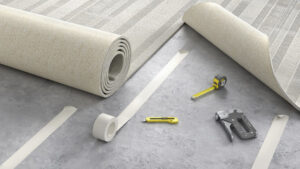
Carpet Flooring

Carpet flooring is available in various colors and designs to fit your style and décor. However, they can be prone to staining and may require more maintenance than other flooring options. Visit https://www.helenaflooringpros.com to learn more.

Carpet is the safest flooring choice for children and seniors, providing cushioned support in case of falls. It also absorbs impact noise to create a quieter environment.

Modern carpets are designed with a durable backing that helps reduce the risk of slips and falls in wet or icy conditions. This is especially important in areas that are prone to spills or have a high traffic volume such as entryways and break rooms.

Carpet can be easily maintained through regular vacuuming and prompt clean-up of spills and other accidents. A quality maintenance program can help extend the life of a facility’s carpet and achieve its intended appearance goals.

During construction, a secondary back is placed underneath the face yarn, which provides stiffness and a strong foundation for the fibers. This also serves to prevent the spread of soil between tufts. The back can be made from polypropylene strands or an open-woven fabric. This is often treated with a flame-retardant chemical to meet fire safety codes.

Insulation

Carpets have a high thermal resistance, known as R-value, which helps retain the warmth of a room. Combined with an insulated underlay made from recycled fibre felt, it can help reduce energy costs and is particularly beneficial in cold climates. It also improves indoor air quality by filtering out pollutants, making it suitable for allergy and asthma sufferers.

Choosing a thicker carpet will enhance its insulating properties and will help to lower your home energy bills. However, it is important to remember that carpets are not designed as a floor covering for radiant heating systems. It is possible to use a special insulating underlay that can be placed underneath your carpet to increase its thermal resistance, but this will add to the overall cost of the installation.

Modular carpet tiles are a great choice for commercial spaces, providing insulation and a comfortable, cushioned surface underfoot. They are easy to maintain and can be easily cleaned or replaced when worn. In addition, they can be used to create a unique pattern and colour scheme for any space.

In addition to its comfort and insulation benefits, carpet is also an effective sound absorber. It can reduce noise pollution and can help to prevent accidents such as slips and falls. In addition, carpet is an affordable alternative to hard flooring options and can provide significant savings in the long run. It is also a more environmentally sustainable option, as many manufacturers offer a variety of eco-friendly solutions and use only recyclable materials.

Warmth

Carpets feel warm underfoot and promote a cozy feeling in a room. They are also natural insulators, helping to retain heat and reduce energy bills. The padding that is installed beneath wall-to-wall carpeting further magnifies these insulating qualities.

When you walk on a cold concrete floor with no underlay, your feet will lose body heat to the ground and quickly feel cold. On the other hand, walking on carpeted floors feels warm as the underlay hugs the floor, trapping warmth underfoot.

The soft fibres of carpet are natural insulators and have low thermal conductivity values. They also provide underfoot comfort and a warmer environment in winter. Carpet can also protect your home from draughts, preventing hot air from escaping through gaps under doors and in the flooring and walls.

However, if your carpet is not maintained well then it will need replacing more often than other types of flooring. Ensure that your carpets are vacuumed regularly and professionally cleaned. This will help to extend the life of your carpets and reduce maintenance costs. Carpets are also better at absorbing sound than hard surfaces, dampening noise and reducing the transmission of it from room to room. This is especially beneficial in bedrooms where noise from children or pets might disturb you.

Comfort

Carpet provides a soft and comfortable surface to walk on, which is especially beneficial for households with children or elderly individuals. It also acts as an insulator and provides thermal resistance to reduce energy costs and the impact on the environment.

Its plush fibers absorb and muffle sounds, making them a good choice for promoting a sense of relaxation in living spaces. It’s also slip-resistant, which can help prevent falls and injuries in households with young children or seniors. In addition, the softness of carpet flooring helps to reduce noise levels from rooms adjoining one another.

The variety of colour, texture and design options makes carpet versatile enough to complement almost any style of decor. It’s easy to maintain, and can be easily repaired or replaced if damaged or stained.

Choosing the right type of carpeting is essential to its longevity and performance. Wool carpets, for example, are known for their durability and quality fibres that resist matting and crushing. Nylon and polyester carpets are more cost-effective and less prone to staining, but offer lower levels of resilience and comfort. Modular carpet tiles, on the other hand, are popular for their versatility and ease of installation. Their design allows homeowners to create unique floor patterns that facilitate way-finding and delineate different zones for various activities. Additionally, carpets are often resistant to trapping allergens such as dust mites or pet dander, which can be harmful to health.

Allergens

Carpets act as reservoirs for allergens like dust mites, pet dander and pollen. These irritants can remain in the fibers of carpet for long periods of time, and vacuuming only partly removes them. Over the long term, they can become airborne and trigger allergic reactions or other respiratory issues. In addition, carpets can trap and retain moisture, fostering the growth of mold and mildew which also triggers allergies in sensitive people.

Studies have found that carpeting significantly increases levels of the mite allergens Der p 1 and Fel d 1, as well as ergosterol (a component of the cell wall of molds). Other studies have shown that the onset or exacerbation of asthma can be associated with the presence of carpeted floors, though these results are less clear cut.

The good news is that there are some carpets designed to be more hypoallergenic than others, especially those with a Greenguard certification, meaning they’re low in volatile organic compounds which are known to trigger respiratory conditions. In addition, routine care and maintenance, such as prompt response to spills, regular cleaning, dehumidification in damp environments and the use of moisture-reducing products, can all help limit the effects of allergens on your health. Lastly, a recent study has found that carpets can reduce the concentration of certain respiratory allergens, including Fel d 1 and ergosterol, after being cleaned. The study suggests that this may be due to the elimination of carpet-bound irritants from the indoor environment by removing allergens from the floor covering, and the subsequent release of these chemicals into the atmosphere.

Indoor Air Quality

Carpets are an important part of the indoor environment, and they can significantly affect indoor air quality through emissions, sink effect (sorption and re-emission), and transformation. They can also increase exposure to allergens and microbial contamination by capturing them in the fibers and resuspending them when people walk on them.

Depending on the type of carpet and how it is constructed, different carpets may have varying degrees of resuspension and exposure effects. This is why it is important to do your research before choosing a specific carpet. The Carpet and Rug Institute (CRI) was the first industry group to study the impacts of carpet on IAQ, and they continue to work with the Environmental Protection Agency and other industry organizations on the subject.

The CRI Green Label Plus program also voluntarily sets strict standards on VOCs from the fiber, cushion and adhesive. This program can help consumers identify low VOC carpets that will provide good IAQ.

Another way that carpet can affect IAQ is by being a source of organic growth. If your carpet stays damp for too long, it can be a breeding ground for mold and other unwanted organisms. In addition, the use of chemical-based cleaning products in the home can cause carpet to absorb and retain these chemicals. It is best to keep carpet out of humid areas and in spaces that are likely to be flooded, such as bathrooms and kitchens.
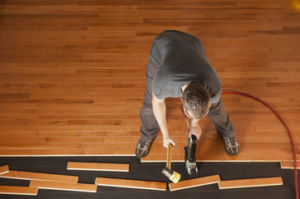
Benefits of Hardwood Flooring

Flooring Fairfield NJ is timeless, adding elegance and value to homes. They also offer a host of benefits, including being hypoallergenic and helping to improve air quality.

When choosing hardwood, consider its hardness. Softer species, such as pine, tend to show scratches more easily. Harder species, like oak, hold up better. Also, choose a stain and varnish that are low-VOC and GREENGUARD-certified for indoor air quality.

hardwood flooring

Hardwood floors are a statement of elegance that will never go out of style. They pair beautifully with almost any decorative theme. And, they’re especially well suited to complement the modern trend toward natural materials like stone and finished concrete.

There are more than 50 different hardwood species, each with its own distinctive coloration and graining pattern that will provide a one-of-a-kind look for your home. In addition, you have a number of finish options to choose from that will affect the overall appearance.

For example, hickory is known for its light color and bold, straight-lined grain pattern that works well in traditional or contemporary homes. Oak is also popular for its classic, smooth look that works well with many design styles. And, walnut has a unique coloration that combines brown tones and dark highlights in the graining for a rich floor. Similarly, Brazilian teak is an exotic wood species that’s known for its tan to medium brown coloring and reddish highlights in the graining.

When choosing a hardwood flooring color, you will want to consider the brightness of your room and how it might be affected by sunlight. Do you prefer a darker tone that will warm up a bright space, or do you favor a lighter color that will open up your home and let in more sunlight?

You will also need to decide whether you prefer a smooth or textured surface for your wood flooring. Smooth finishes create a modern, sleek appearance, while wire-brushed and distressed woods have a more rugged and characterful appeal.

Over time, your wood floors will develop its own character as they age, absorbing subtle shadings and picking up small scratches and nicks that add depth and personality to your floor. This unique personality is further enhanced when you choose to incorporate plank or parquet hardwood installations.

Wood flooring is a great choice for large spaces because it has a natural texture and patterning that can help to add visual interest and warmth to a room. It’s important to note, though, that there are wood species that are better suited to smaller rooms than others. For instance, ash and walnut have a lighter color that makes them ideal for smaller rooms. Also, modern grades that have minimal to no color variation and knots are available for those who need a more uniform aesthetic for their room.

Hardwood floors are not only beautiful, they’re also extremely durable. This is due to both the density of the wood and the type of finish used. The harder the species, the more resistant to scratches and dents it will be. Harder woods include oak, maple, hickory, and walnut. The softer woods include pine and cherry. These are less durable, but can still be used in areas with light traffic. When choosing your hardwood flooring, it’s important to consider your lifestyle and design vision. Some styles and colors may be more prone to showing marks from heavy foot traffic, while others will hide these markings better.

One of the biggest decisions you’ll have to make is whether you want solid or engineered hardwood flooring. Solid hardwood floors are made of one solid piece of wood from top to bottom, while engineered floors are layered together with a solid piece of wood on top. Solid hardwood is more durable, but will have a higher price tag than engineered flooring.

When shopping for hardwood, you’ll also need to choose your color and grain pattern. Grain patterns are a great way to add visual interest to your floor. They can range from wide, dramatic tones of exotic woods to tight, nutty brown shades of domestic oak. Different colors and grain patterns can help mask dents and scratches as well. Lighter to mid-toned hardwood floors will show markings more than darker and richer colors.

A good way to determine how durable your hardwood will be is by looking at its Janka hardness rating. The Janka hardness test is a standard way to measure how durable a wood species is, and it measures how much force is needed to push a steel ball halfway into the wood. The higher the Janka hardness number, the more durable the wood. Exotic woods tend to have the highest Janka ratings.

Besides picking the right hardness level, you’ll need to decide between an oil-based or water-based finish. An oil-based finish will penetrate the wood pores and protect it from the outside elements, while a water-based finish will sit on the surface of the wood. Oil-based finishes are more durable and last longer than water-based ones.

Whether it’s a modern or traditional home, hardwood floors create a warm and authentic look that can complement any style. They add a natural beauty that increases the value of your home while making it more attractive to prospective buyers. Wood flooring also introduces Biophilic Design into your living space, which is based on the theory of humans’ innate love of nature and its processes.

Hardwood floors are easy to maintain. Sweeping or vacuuming regularly can remove dust, dirt and other debris that could damage your finish over time. This prevents minor scratches and dents from pets or heavy foot traffic. It’s also possible to refinish your hardwood floors over the years to keep them looking new.

Many homeowners choose to replace their carpeting with solid or engineered hardwood flooring in their homes. This upgrade is a great way to add style and value to the home, but it’s important that the floor soundproofing plan is implemented properly as well. Without a proper soundproofing solution, the impacts from footsteps on the hardwood will travel through the layers of plywood or concrete to the rooms below and cause an excessive amount of noise. This can be easily solved by adding an underlayment to reduce impact noise.

There are several different types of underlayments that can be used with hardwood floors, including foam, cork, or rubber. They all work to reduce both airborne and structure borne sound, but they are best utilized in a complete floor assembly that includes a floating floor, acoustic channels, multiple layers of drywall, and batt insulation in the joist bays.

Another solution is to use specific furniture that can help dampen the vibration of sounds. For example, upholstered pieces such as sofas and chairs can reduce the level of noise that is produced by walking on wooden floors. Slippers and socks can also reduce the amount of noise caused by wearing shoes on wood flooring.

As a builder or contractor, it’s crucial to educate your clients about the importance of a soundproofing plan for their wood floors. If your client is planning to sell the house in the future, they will likely want to install a higher quality of flooring that will add value to their home.

Hardwood flooring can add a touch of luxury and elegance to any home. It can also be a good choice for people with allergies as it does not trap dust, animal dander or other common allergens like carpet does. It’s easy to improve your home’s indoor air quality with hardwood floors.

Carpeting can trap these allergens and make it hard to clean, but hardwood floors are easily disinfected and will not harbour bacteria or unpleasant odours. This makes wood a great choice for kitchens where food and drink are often served.

Another benefit of hardwood floors is that they help to increase the value of your home. This can be important if you are thinking about selling your house in the future. Buyers prefer hardwood floors over carpets because they are easy to clean and maintain.

Wooden floors are available in many different styles, so you can choose a look that suits your personal aesthetic. They are timeless and can enhance any type of home. You can find a range of colors, grains, and species to fit your style. There are even exotic and rustic styles that can add a more unique touch to your home.

There are two main types of wooden floors: solid and engineered. Solid wooden floors are planks of milled timber that have been cut from a single log. They are then stained and sealed to protect them from moisture, dirt, oil and other grime. The alternative to this is engineered wooden floors, which are made from layers of different hardwoods glued together and then covered in a layer of laminate.

Both types of wooden floor are durable and long-lasting but if you want yours to last then there are a few things you can do. Always sweep your wooden floors regularly and use a broom with a soft brush to remove dust from the surface. Avoid using abrasive cleaners or chemicals, as these can damage the surface. If you have children or pets, then it may be a good idea to place rugs over the hardwood to prevent scratches and spillages.