Pipeline Perspectives: Understanding the Inner Workings of Plumbing

Pipeline Perspectives: Understanding the Inner Workings of Plumbing

Plumbing is a system of pipes, valves, and fixtures that convey water to different locations within a building or structure. It also includes the installation, maintenance, and repair of these systems. It also involves the layout and design of plumbing networks.
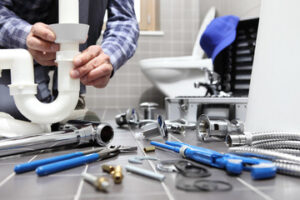
Plumbing

Unlike plumbing, process piping is in direct contact with chemicals and other products. Therefore, it must comply with engineering standards and regulations. Contact Dunedin Plumbing for professional help.

Faucets come in a variety of designs, and it is important to choose one that fits your needs and the look of your space. In addition to aesthetics, you should consider how the faucet works. This will determine how much water it delivers and whether you need a cartridge or other parts. Faucets are also available in different finishes. Some are coated to resist water spots and tarnish. These are called hydrophobic or oleophobic coatings and work at the molecular level to shed water. Others are anti-microbial, which reduces bacteria and mold growth.

Most faucets are made from brass, which is a durable metal. It can withstand thousands of on-off cycles each year, as well as hard water mineral build-up. Its strength makes it a good choice for faucets that will be used frequently. Faucets can also be made from other materials, such as bronze or pewter. Stainless steel is another popular material, and can be fabricated into many styles and finishes.

A faucet is composed of a body, valves, and handles. The body is where hot and cold water is mixed. It can be a single-hole design or a widespread faucet. A one-hole faucet is usually more recommended as it requires only a single hole in your counter or sink. The handle controls the flow and temperature of the water, and is mounted over the spout. There are several types of handles, including ball and disk. The ball design uses a pivot point on a rod near the base of the spout to control the flow and temperature, while the disk faucet has a lever on top that adjusts water volume.

The spout is connected to the body through a diverter valve. Some spout designs have a hose that directs the water to where it is needed. This hose can be used for hand washing or filling pots. It is important to understand the difference between a pull-out and pull-down faucet, so you can choose the right one for your home.

The surface of a faucet must be treated to make it resistant to corrosion, tarnish, and scratches. This treatment is usually a combination of polishing and plating. The polishing process is labor intensive, and the faucet must be sent to a professional electroplating factory. Other finish options include PVD, ORB (Organic Rhodium Bond), and powder-coating.

They are made of a variety of materials

The plumbing pipes that deliver fresh water to your home and remove wastewater from it are made from a variety of materials. Some of the more common choices include copper, CPVC, and PEX. There are also several other types of pipes, including plastic, galvanized steel, and cast iron. It is important to know about the different plumbing pipe materials so that you can choose the best one for your needs.

Plumbing is an integral part of every household, and it requires a wide range of tools and supplies to complete plumbing jobs. Various tools help plumbers work more efficiently and save time, and they can also ensure the safety of their clients and employees. Some of these tools include wrenches, socket wrenches, and plumbing tape. Plumbers must be knowledgeable about these tools so that they can easily understand and utilize them when working on a plumbing job.

A plumber’s tape is a type of thread sealing tape that prevents leaks on the threaded areas of pipes and fittings. It can be applied to the exterior or interior of plumbing pipes and fixtures. It is available in a variety of sizes and lengths, and it has a wide range of uses. The most common use for plumber’s tape is to seal leaky connections and joints in a plumbing system.

In addition to plumber’s tape, there are a few other essential tools for completing plumbing tasks. For example, a wrench is a versatile tool that can be used to grip or turn objects. These tools are available in a variety of sizes and shapes, and they can be used to tighten or loosen nuts, bolts, and screws. Plumbers can also use them to adjust faucet handles and water valves.

The pipes that run throughout your home’s plumbing system are made from a variety of materials, and the choice depends on the age of your house. Older houses may have pipes made of cast iron or terra-cotta, while newer homes typically have plastic pipes. These plastic pipes are more reliable than older pipes, and they are also easy to install.

They can leak

The plumbing industry is a vital part of modern society, but it can also be dangerous. Licensed plumbers work with hazardous materials, including waste water, and must follow strict building codes. These regulations protect the public from contaminants and ensure that drinking water is safe to use. Additionally, plumbers must wear safety equipment and use specialized tools to perform their job. The National Building Code of Canada sets the minimum standards, while provinces may set more stringent requirements.

Plumbing is a system of pipes, fixtures, valves, and tanks that convey water for a variety of purposes, such as heating and cooling (HVAC), washing machines, cooking, and toilet flushing. This infrastructure is essential for the safe and healthy operation of buildings. It can also be used to transport sewage and other liquid wastes away from buildings.

Leaky faucets and pipes are a common problem that can cause significant damage to your home or business. These problems can be expensive and difficult to repair, so it’s important to take steps to prevent them. Some of the most common causes of leaky faucets include worn washers, loose fittings, and corroded or cracked pipes. Another possible culprit is excessive water pressure, which can cause the pipes to vibrate and make noises.

A plumbing system is a complex network of pipes, fixtures, and appliances that connect to a water supply source and remove wastewater and other wastes. It is usually divided into two systems: water and sewage. Water pipes are generally made of copper, brass, or plastic and may be insulated to reduce energy costs. The piping must be properly sized to match the load of each fixture and to prevent leaks and overflow.

Sewage pipes carry waste from toilets and other sanitary fixtures. These pipes are usually buried underground and connect to public sewer lines or septic tanks. Plumbers must be familiar with the different types of sewage systems to avoid inadvertently connecting a house to the wrong system. They also need to know how to install and repair garbage disposals and septic tanks.

Plumbers must also be aware of the health risks associated with sewage systems, as they often work with human waste and its toxins. They can be exposed to a variety of diseases, including cholera, typhoid fever, hepatitis, and cryptosporidiosis. In addition, they can be exposed to airborne bacteria and parasites.

They can make noise

Whether it’s a rumbling noise at night or a constant humming during the day, noisy pipes are annoying. They can disrupt your sleep and make you anxious throughout the day. While these sounds can be a nuisance, they are also an indication that your plumbing system needs repair or maintenance. Understanding the cause of these sounds can help you decide when to call a plumber to fix them.

Plumbing is the set of pipes and fixtures that transports water in a building. It consists of supply, distribution and drainage piping. It also includes a system for the removal of sewage wastes and other liquid wastes. This system is a key component of modern life, and it’s important to ensure that it functions properly.

The plumbing industry is responsible for installing, maintaining, and repairing these systems. It involves working with a variety of materials, including copper, PVC, and PEX pipes. Plumbing also requires the use of specialized tools, including soldering torches, pipe cutters and pliers, and a wrench. These tools help plumbers complete their tasks more efficiently and accurately.

Plumbing also provides a crucial service to society by providing clean water for drinking and bathing, as well as removing wastewater. This system is vital to public health and safety, and it’s critical that these services be efficient and reliable. While there are many different ways to achieve this goal, plumbing depends on a number of principles, including gravity and the principle that water seeks its own level. This basic principle is what allows plumbers to successfully repair a wide variety of plumbing problems.

How to Become a Plumber

How to Become a Plumber

Plumbers install, repair, and maintain pipes that convey water, sewage, and waste in residential and commercial buildings. The Woodlands Plumber also ensures that fixtures and appliances are properly connected to these plumbing systems.

Those interested in becoming plumbers should first take technical courses. Local colleges or trade schools usually offer these. The next step is to complete a plumbing apprenticeship with a construction company.

Plumber

Despite their close resemblance, plumbing and piping are not the same thing. They are two different systems that have distinct functions and fall under different regulations. The key difference is their purpose. Plumbing pipes transport water while piping systems move chemicals, gases and other fluids to support industrial facilities.

Plumbing is a system of pipes used to deliver hot and cold water to residential and commercial buildings. It also provides drainage for sewage and waste. In cities, the plumbing system is often part of a large network that directs solid waste to sewage treatment plants and supplies fresh water to homes and businesses. In rural areas, plumbing pipes are more likely to link to local groundwater sources and septic tanks for drainage.

A plumbing pipe can be made from a variety of materials, including copper, brass, cast iron, galvanized steel and PVC. The choice of material depends on the needs of the project and the environmental requirements. A good quality plumbing system is designed with efficiency in mind to reduce costs and maintenance. This includes minimizing the length of pipes and ensuring that valves are easily accessible. It also includes the use of fittings that are compatible with the system’s operating conditions and materials.

Piping is a vast interconnected system that contains separators, flanges, pressure hoses, traps, strainers and other devices that separate, distribute, control or stop the flow of fluids within a facility. It also uses special items to carry fluids, such as pumps, motors, valves and instrumentation. The components of a piping system are typically designated as pipe, tubing, fittings or flanges in applicable material specifications.

While a piping system is an integral component of any industrial plant, it can be difficult to distinguish from a plumbing system. It is important to understand the differences between the two systems before attempting to install a piping system. This will help ensure that you comply with building codes and avoid costly mistakes. It will also make it easier for you to create plumbing plans and understand the symbols that are commonly used.

A career as a plumber requires more than just being handy. Plumbers need specialized knowledge about construction and a variety of tools to complete their work. While anyone with a high school diploma can start working as a plumbing helper under supervision, getting licensed and taking on independent projects demands years of training. The main pathways to becoming a licensed plumber are apprenticeships, formal trade school programs, and on-the-job experience.

Plumbing education covers everything from basic construction skills to advanced pipe-laying and repair techniques. The rigorous curriculum is designed to teach learners the skills they need to safely install, test, and maintain residential, commercial, and public building plumbing systems. This includes understanding piping layouts, reading blueprints, and plumbing codes. In addition, students learn how to use a variety of hand and power tools as well as various plumbing fixtures.

Many apprentices learn through on-the-job training, working with experienced plumbers while they attend classes at night or on the weekends. These training programs usually last five years, and the apprentices must pass a series of tests before they can become licensed. However, there are also trade schools that offer accelerated programs for those interested in entering the industry quickly.

These programs typically last two to three years, and they provide students with the knowledge and hands-on experience necessary to succeed in the field. The coursework teaches students the fundamentals of plumbing, including piping techniques, kitchen and bathroom rough-ins, fixture installation, hot water and steam heating systems, and plumbing repairs. In addition to classroom instruction, these programs provide hands-on training with the use of hand and power tools, a variety of plumbing fixtures, and the latest in pipe-laying technologies such as socket and groove and flange and butt weld piping.

In addition to offering traditional apprenticeships, the SUNY system offers several Associate of Applied Science degrees in the areas of plumbing and heating technology. These programs are often more affordable, faster to complete, and can lead directly to careers in the skilled trades. They also fulfill the hourly requirements for apprenticeships. Regardless of which path a student takes, punctuality is essential to the success of any plumbing career. Being on time is the first step toward earning the trust of clients and co-workers.

There are a few different types of licenses available for plumbers. Each one requires specific training and experience, including the completion of a registered apprenticeship program or work as an entry-level plumber under a licensed journeyperson for a number of years depending on the jurisdiction. Most cities and counties require a license for plumbing work, as do many private employers. The state offers three licensing options: a limited license, a journeyman plumbing license, and a master plumber’s license.

Most municipalities have apprenticeship programs and other training opportunities for potential plumbers. Several of these programs are run by local BOCES (Board of Cooperative Educational Services). These apprenticeships typically last four years and provide on-the-job learning, paid training, and a high school diploma or equivalent. There are also several online courses and training centers that offer specialized training for plumbers. Some of these programs cost a small fee, but most are free or offered at low cost to residents of the state.

Once you have completed your apprenticeship or other required training, the next step is to pass a written and hands-on exam. You can find more information on the exam requirements and locations by visiting the Department of Buildings website. There are also multiple prep classes offered in the area by unions and independent trade organizations that help prepare students for the exams.

There are also additional certifications available for plumbers to enhance their career. These are not mandatory but can improve your job marketability by demonstrating that you have the necessary skills and knowledge to perform specific jobs. NITC, ASSE and other professional certifications are available through national and regional organizations.

If you are planning to start your own plumbing business, you may need a business license as well. The requirements for this will vary by municipality, but you should contact your local municipality to learn more. You should also get small business insurance to protect your investments and ensure that you have the coverage you need to meet any financial obligations. provides comprehensive small business insurance at a fraction of the price that you’ll find from legacy insurers.

A plumbing apprenticeship is a program that allows you to earn while you learn. These programs are sponsored by unions, trade schools and service companies and typically consist of 4 to 5 years of on-the-job training with classroom learning. Apprentices learn to become a plumber through mentorship and training from a journeyman plumber. During this time, the apprentice is often paid for their work and may even receive benefits and health insurance.

During this time, an apprentice learns about all aspects of the business and how to operate different pieces of equipment. This can include installing and repairing pipes, cutting into walls, removing clogs, and using camera sewer line inspection equipment. An apprentice also learns how to prepare cost estimates and how to work with a variety of customers. The best applicants are well organized and detail oriented, able to follow instructions, enjoy working with people, and have strong mechanical skills.

Many of the skills learned during a plumbing apprenticeship are taught through observing and doing, rather than in a classroom setting. Apprentices work side-by-side with a master plumber and learn the ins and outs of the profession through hands-on experience. As the apprentice becomes more skilled, the master plumber will often give them more and more responsibility until they are ready to become a licensed journeyman plumber themselves.

A high school diploma is the minimum requirement for becoming an apprentice plumber. However, many people attend a vocational school to learn the basics before applying for an apprenticeship. These schools can help match you with a plumbing company, labor union or master plumber who is willing to teach you the craft. Many vocational schools have a course specifically devoted to plumbing that teaches you the basics of the job as well as your state’s regulations for safety and plumbing codes.

Whether you’re interested in becoming an apprentice plumber or just want to get more information about the career, you can reach out to customer care team. We’ll be happy to answer your questions and help you find the right apprenticeship opportunity for you.