Electricity is more than just a convenience—it is the foundation of modern life. From powering homes and businesses to enabling advanced technologies and automation, reliable electrical systems are essential for daily operations. Yet few property owners fully understand the complexity behind these systems or the critical role that electrical contractors play in their design, installation, and maintenance.
Electrical contractors are licensed professionals who specialize in managing the entire lifecycle of electrical systems. Their expertise extends far beyond basic wiring and repairs. They plan and install electrical networks, ensure compliance with safety codes, implement energy-efficient solutions, and provide ongoing maintenance to keep properties functioning smoothly. For both residential and commercial properties, working with skilled Electrical Contractors is a strategic investment in safety, reliability, and long-term operational efficiency.
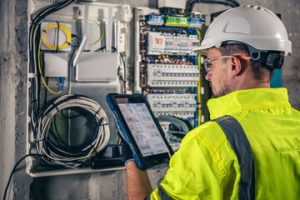
The Role of Electrical Contractors in Modern Property Management
Electrical contractors serve as the architects and guardians of a property’s electrical infrastructure. They are responsible for ensuring that power is delivered safely, reliably, and efficiently to every outlet, fixture, and device. In residential settings, this might include designing circuits for high-demand appliances, upgrading panels, or integrating smart home technology. In commercial or industrial environments, the responsibilities expand to include complex systems such as backup generators, data networks, automated lighting, and machinery-specific circuits.
Unlike general electricians who often focus on single tasks or repairs, electrical contractors manage projects from start to finish. They coordinate with architects, builders, and other trades, ensure compliance with local building codes, and oversee teams of electricians during installation and maintenance projects. This comprehensive approach minimizes the risk of errors, reduces downtime, and guarantees that electrical systems meet both current and future needs.
Planning and Designing Electrical Systems
One of the most critical responsibilities of electrical contractors is designing electrical systems that are safe, efficient, and scalable. Effective planning begins with an assessment of the property’s electrical load requirements, future growth potential, and specific operational needs.
For residential properties, this could involve calculating the capacity needed for HVAC systems, kitchen appliances, home offices, and entertainment systems. For commercial properties, it may include high-voltage equipment, industrial machinery, specialized lighting, and technology infrastructure. The goal is to create a balanced system that avoids overloads while optimizing energy efficiency.
Two key steps in the planning process include:
- Load Calculations – Electrical contractors determine the total demand on the system, ensuring that panels, circuits, and wiring can safely handle peak usage without tripping breakers or overheating.
- Circuit Layout Design – Contractors strategically place circuits and outlets to provide optimal coverage, minimize voltage drops, and allow for future expansion.
This meticulous approach ensures that electrical systems are not only compliant with codes but also capable of supporting modern technology and increasing property value.
Installation and Integration
Installation is where the design becomes a tangible reality. Electrical contractors supervise the installation of wiring, panels, outlets, lighting, and other components, ensuring proper placement, secure connections, and adherence to safety standards.
In commercial environments, installation can be particularly complex. Electrical contractors may install multiple panels, high-voltage circuits, emergency lighting systems, backup generators, and integrated data networks. Coordinating these elements requires precision, technical expertise, and project management skills to ensure that all systems function cohesively.
Residential installations, though smaller in scale, also demand careful attention. Contractors ensure that wiring is properly sized, outlets are safely installed, panels are correctly grounded, and all devices meet safety requirements. Smart home integrations, such as automated lighting or security systems, are also carefully wired to function seamlessly with the main electrical network.
Safety and Code Compliance
Electrical safety is non-negotiable. Improper installation or outdated systems can lead to electrical fires, equipment damage, and serious injury. Electrical contractors bring a depth of knowledge in safety codes, best practices, and industry standards that is essential for protecting property and occupants.
Code compliance is a central responsibility. Local and national regulations dictate everything from wire sizing to panel placement and grounding requirements. Electrical contractors ensure that installations meet or exceed these standards, reducing the risk of violations, fines, or unsafe conditions.
In addition to compliance, contractors implement safety measures such as:
- Ground-Fault Circuit Interrupters (GFCIs) – Protecting against electrical shocks in wet areas.
- Arc-Fault Circuit Interrupters (AFCIs) – Preventing fires caused by arcing in circuits.
- Surge Protection – Safeguarding sensitive devices from voltage spikes.
These precautions not only protect property and occupants but also extend the lifespan of electrical systems and connected devices.
Maintenance and Preventive Care
A major advantage of hiring electrical contractors is ongoing maintenance and preventative care. Electrical systems are dynamic, with components that wear over time due to usage, environmental factors, and load changes. Scheduled maintenance helps identify potential problems before they escalate into costly or dangerous failures.
Routine maintenance services often include:
- Panel and Circuit Inspections – Checking for loose connections, signs of wear, and proper circuit balance.
- Breaker and Fuse Testing – Ensuring all components function correctly under load conditions.
- Wiring Condition Assessments – Detecting frayed wires, corrosion, or insulation issues.
- System Upgrades – Replacing outdated components or adding circuits to accommodate growth or new technology.
Proactive maintenance reduces downtime, prevents emergencies, and ensures that electrical systems operate at peak efficiency year-round.
Supporting Energy Efficiency and Sustainability
Electrical contractors are increasingly involved in energy-efficient solutions and sustainable system upgrades. With energy costs rising and environmental concerns growing, properties benefit from systems that reduce consumption while maintaining reliability.
Examples of energy-focused services include:
- Upgrading to LED lighting systems with smart controls.
- Installing programmable thermostats and energy management systems.
- Implementing efficient load distribution to reduce waste.
- Integrating renewable energy sources such as solar power.
By assessing usage patterns and recommending improvements, electrical contractors help property owners lower energy bills, reduce environmental impact, and create more sustainable properties.
Emergency Response and Troubleshooting
Even with proper planning and maintenance, electrical issues can occur unexpectedly. Electrical contractors provide rapid response services for emergencies, diagnosing problems and restoring functionality safely and efficiently.
Emergency services often include:
- Power restoration after outages.
- Repairing short circuits, faulty wiring, or tripping breakers.
- Troubleshooting complex electrical faults in industrial or commercial systems.
- Ensuring backup systems, such as generators, function correctly during interruptions.
Quick, professional intervention minimizes downtime, protects equipment, and ensures the safety of occupants.
Technology Integration and Modern Applications
As technology evolves, electrical contractors play a vital role in integrating modern systems. Smart buildings, automated industrial processes, advanced security systems, and connected devices all require professional planning and installation to operate seamlessly.
Contractors ensure that new technology integrates safely with existing infrastructure. This prevents interference, overloads, and connectivity issues. In commercial settings, automation can optimize lighting, HVAC, and equipment operation, improving efficiency and reducing operational costs.
Residential contractors also provide expertise in home automation, ensuring smart devices function reliably while maintaining overall electrical safety.
Choosing the Right Electrical Contractor
Selecting an electrical contractor requires careful consideration. Experience, licensing, insurance, and a track record of successful projects are critical factors. Property owners should look for contractors who provide comprehensive services, transparent estimates, and professional project management.
Working with a reliable contractor provides long-term value. They not only complete installations safely but also offer ongoing maintenance, emergency response, and future upgrades. This consistency ensures that electrical systems remain reliable, safe, and capable of supporting evolving needs.
Long-Term Benefits of Working With Electrical Contractors
The value of electrical contractors extends far beyond immediate repairs or installations. Partnering with a qualified professional delivers long-term benefits, including:
- Safety Assurance – Protecting people, property, and equipment from electrical hazards.
- Operational Reliability – Reducing interruptions and maintaining a consistent power supply.
- Future-Proofing – Designing systems that accommodate technological growth and expansion.
- Cost Efficiency – Preventing expensive repairs, reducing energy waste, and avoiding emergency costs.
- Compliance and Peace of Mind – Ensuring that all work meets code and regulatory standards.
Electrical contractors are not just service providers—they are strategic partners who help property owners optimize performance, reduce risk, and plan for the future.
Electrical contractors are essential for modern properties, combining technical expertise, safety knowledge, and project management skills to create systems that are safe, efficient, and scalable. From residential upgrades to complex commercial installations, their work ensures that electricity powers every aspect of daily life reliably and safely.
By designing, installing, maintaining, and upgrading electrical systems, contractors protect property, support innovation, and prepare for evolving energy demands. Their comprehensive services go beyond basic repairs, offering strategic solutions that maximize efficiency, minimize risk, and deliver peace of mind.
Investing in professional electrical contractor services is an investment in safety, operational continuity, and the long-term performance of your property. In a world increasingly dependent on reliable power, these experts are indispensable partners in powering homes, businesses, and industrial facilities for today and tomorrow.
