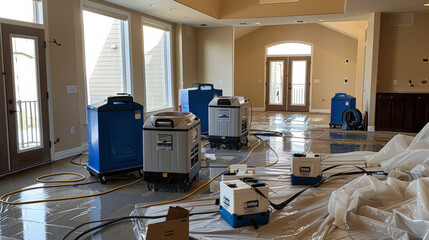
Flood Damage Restoration vs Water Damage Restoration

Salt Lake City Water Damage Restoration

Whether your home is damaged by a burst pipe or a natural disaster, it’s important to understand the difference between water damage and flood damage. This will help you choose the best repair service and make sure your insurance covers the right things.

From a washing machine hose to a flash flood, the effects of flooding can be devastating. Learn how to recognize the differences between water damage and flood damage to prevent further damage and minimize health risks. Contact Salt Lake City Water Damage Restoration for more information.

Water Damage

Water damage is one of the most devastating events that can affect your home or business. It may be the result of a burst pipe, extensive storm damage or even a catastrophic natural disaster. In such cases, it can impact not only the structure of the property but also the health and safety of the occupants. That’s why it is important to understand the categories and classes of water damage as well as the steps that are taken during the restoration process.

The first step in repairing water damage is mitigation. This involves minimizing the amount of water that enters your property as quickly as possible and focusing on getting it out of there before it causes any further damage. Professionals use specialized equipment to identify the extent of water damage, including locating the source and turning it off (if applicable). They will also take precautionary measures to safeguard your belongings.

Once the water has been mitigated, professionals will begin the repair process. This involves using a combination of methods, including comprehensive damage assessment, water extraction and thorough cleaning and sanitizing. The process will often involve removing and replacing damaged materials such as drywall, floors, ceilings and other structural components.

If left unaddressed, water damage can lead to mold and other serious problems that require costly repairs or replacement. That’s why it is important to have a well-designed water management plan in place, such as effective landscaping that directs rainwater away from your property.

While many people think that flood prevention is only necessary when it comes to flooding from the outside, the fact is that you can be affected by floods caused by internal issues such as leaky roofs or clogged drains. As such, proper maintenance and regular inspections of your property can help prevent these kinds of issues. It is also a good idea to have a backup plan, such as emergency flood insurance. Having this coverage will ensure that you can have the restoration services necessary to return your home or business to normal. This can cover everything from restoring ruined furniture to replacing entire floors.

Flood Damage

While the difference between flood damage restoration and water damage restoration may seem slight, it’s essential to understand the distinction. Many people confuse the terms, leading to incorrect insurance claims and expensive repairs. Water damage typically involves localized issues, like a burst pipe or backed-up sewer drain, and affects only part of a home or building. Flood damage, on the other hand, involves widespread flooding due to natural disasters.

Water damage restoration is the process of cleaning, sanitizing, and drying items and structures affected by water. The goal is to return the property to its pre-loss condition. Professional water damage restoration crews use dehumidifiers, air movers, and fans to remove standing water and dry out the property. This can take days, depending on the extent of the water damage.

Flood damage restoration, on the other hand, is much more involved. It includes a full structural inspection and repair, identifying and replacing damaged materials, and repairing electrical systems. It also includes mold remediation, if necessary.

In addition to the physical and financial costs of flood damage, it can introduce a host of health hazards. Floodwaters can carry sewage, chemicals, and pathogens, posing a risk of wound infections, gastrointestinal illnesses (like diarrhea), and respiratory diseases (like bronchitis and pneumonia).

As soon as floodwaters enter buildings, they penetrate deep into building materials, compromising structural integrity and accelerating the deterioration of electrical systems. Wooden structures become warped and rotted, and drywall becomes a breeding ground for mold within hours of exposure to water.

Floods are one of the most common and destructive natural disasters, occurring in areas that were once considered safe from the threat of flooding. This makes it particularly important for homeowners to have the right insurance coverage to protect their homes and belongings in the event of a flood. Those who mistakenly believe they have flood insurance coverage when in reality they only have standard homeowners’ insurance must act quickly to prevent further damage and minimize losses. Contacting a flood damage restoration service can help them understand their options and file the correct insurance claim.

Insurance Coverage

When it comes to water damage, insurance coverage is a huge help. It’s important to understand how your policy works so that you can get the most out of it and ensure a smooth claims process.

Homeowners insurance typically covers water damage caused by sudden or accidental events. For example, a pipe bursts or a storm damages your roof. Flooding and slow-accumulating water damage, however, are not covered by homeowners insurance (though you may be able to obtain separate flood insurance through the National Flood Insurance Program).

Some policies exclude water damage that is the result of neglect or lack of maintenance. For instance, if your basement floods due to a plumbing leak that you’ve ignored for years, your insurance will probably not cover the repair costs.

Generally, your insurance will also not pay to replace your belongings if they are damaged by water unless they’re specifically named in the policy as a personal property item. The best way to avoid this is to keep up with regular home maintenance and make repairs as soon as you notice problems.

Most policies will require that you report any water damage to your insurance company as soon as possible. Then, they will send out an insurance adjuster to evaluate the damage and assess your claim. To expedite the process, be sure to document all the damage as soon as you can and work closely with restoration professionals.

If you find that your insurance company is denying your claim or making insufficient settlement offers, an experienced attorney can help. They can review your policy to determine if the denial is valid and assist with negotiating higher loss settlements or disputing actual cash value vs. replacement cost values.

It’s also worth noting that your insurance will likely not cover any upgrades you want to make as a result of the water damage (such as a modernized bathroom or a new kitchen). It’s important to be honest with your insurance adjuster about what your goals are for the damaged area, so you can plan accordingly.

Restoring Your Home

Flood restoration is a comprehensive process that includes everything from water extraction to structural repair. It also involves specialized cleaning, sanitization, and content restoration. The goal is to get your home back to its pre-flood condition, taking into account health and safety risks. In the case of a severe flood, it may involve reconstruction and even replacement of materials like floorboards or walls.

When dealing with a flood, it is vital to act quickly to mitigate further damage and prevent additional problems. It is important to turn off electricity and other potential hazards, such as gas-powered equipment. It is also a good idea to evacuate the area if authorities recommend it. Before beginning any cleanup or restoration work, it is a good idea to take pictures and make a list of all affected items. This information will be helpful in filing an insurance claim.

In addition to water damage mitigation, flood damage restoration requires sanitization, mold remediation, and disinfection. This ensures that the property is clean, safe, and able to be occupied again. It also helps to minimize the costs of repairs and reduce the likelihood of future disasters, such as mold and mildew.

Whether it is from a burst pipe or a natural disaster, water damage is no laughing matter. The impact it has on your property can be long-lasting and serious. Water damage can result in extensive property loss, serious health risks, and complex insurance coverage issues.

It is vital to understand the difference between flood and water damage, so you can better prepare for a possible emergency situation. Knowing the differences between these two events can help you respond faster, file an insurance claim correctly, and receive the right restoration services.

Many people are under the impression that flooding and water damage are the same. However, this is not true and understanding the differences between these two types of damage can help you save money and protect your belongings. This guide covers everything you need to know about water damage restoration, from the different categories and classes of water damage to how a professional water restoration company can help.

Visit our Professional Services Blogs

Smart Choice Plumbing And Air, Sanitize My Airducts, Bethesda Locksmith, Golden Coast Cleaners, Advanced Concrete Staining, Home Pool Cleaners, Brayhines Septic, Shaka Pool And Spa Cleaning,Mr Clean And Shine, Best Appliance Repair Long Beach, Gulf to Bay Water Remediation, Garage Door San Francisco, Richmond Flooring, Fence Builders Woodlands, Colorado Springs Auto, Fuel Frontlines, Expert 24 Option, Sacramento Roseville Real Estate, SLO Homes, Philadelphia Towing, State Powerwashing, Truck Tires Worldwide, Website Translation, Construction Company Farmington NM, Green Home Los Angeles, Trinity SEO Marketing, Electric Fireplaces, Argos Bookkeeping, Christopherson Drywall,Garage Door Installation, Missouri Personal Injury Lawyer Blog, Alvins Auto Body, Carpet Care Pros, Las Vegas Concrete, Clark Concrete Company, Deck Builders Missour City, Lechleitner Builders, Medical Health Insurance Policy, Royal Siding Windows, Carpet Steam Cleaners Review, Go Greeen Lawn Painting, Oakwood Skate Deck, Texas Home Remodeling And Painting, USA Home Repair Remodeling, Dream Home Remodeling Services, Brent Lawn Homes, Great Ernm Homes, Accelerated Orthodontic, Arctic Cooling And Heating, Baltimore Heating And Airconditioning


The Role of Metal Stairway Railings in Modern Architecture

In modern architecture, railings are more than a safety element; they define spaces, guide flow, and enhance the visual integrity of structures. Whether in sleek contemporary homes, high-rise condos, or cutting-edge commercial buildings, metal stair railings seamlessly integrate into modern design.

A luxurious horizontal metal railing was fabricated for an open staircase and second-floor balcony. Custom engraving adds a personal touch. Visit 83MetalCraft LLC for more information.

metal

Stainless Steel

Whether you are designing a sleek modern home, a contemporary condo, or a cutting-edge commercial project, the right stair railings can make all the difference. Beyond their safety and support functions, they contribute to the overall design of a building by defining the space and shaping its ethos. For architects, choosing a railing material that perfectly complements the architectural style and design vision is critical.

With its clean lines and high-performance functionality, stainless steel is the perfect metal choice for a modern railing system. It is a versatile material that can be rolled into sheets, plates, bars, wire, tubing, and more. It is also used in cookware, cutlery, surgical instruments, major appliances, vehicles, construction materials for large buildings, and more. It has exceptional durability and resistance to corrosion, making it an ideal option for use both indoors and out.

Like many other metals, stainless steel does rust when exposed to air and water, but its surface quickly forms a layer of chromium oxide that prevents further oxidation. This self-healing property makes it ideal for areas that are constantly in use, such as stairways and balconies. Unlike wood, which requires regular refinishing to keep it looking new, stainless steel stair railings require minimal maintenance.

In addition to their performance, metal stair railings also offer a range of aesthetic options that suit any style. They can be simple and minimalist for a sleek look or bold and geometric to make a statement. They can even be mixed with other metals to create a unique design or a more traditional approach.

Whether you are creating an open, airy loft, a comfortable family home, or a cutting-edge office complex, metal stair railings can elevate your building’s style and sophistication. With so many options available, you are sure to find the perfect solution to match your vision and meet your functional requirements.

Aluminum

Stainless steel staircases are an attractive choice for contemporary architecture because of their sleek metallic finishes and aesthetic appeal. They work well with modern industrial designs, as well as minimalist and Scandinavian styles of architecture. They are also durable and easy to maintain. Their non-reflective surface enhances light and depth in a room, enhancing visual appeal.

In addition to their visual appeal, aluminum stair railings are highly versatile. They can be powder-coated in any color, giving architects more design options for their projects. They are also lightweight, making them easier to move and install. Their durability also makes them a good choice for high-traffic areas. These qualities make them a popular option for commercial and retail buildings, as well as residential homes.

Minimalism is a growing trend in interior design, with many homeowners and designers seeking sleek, uncluttered spaces. Stairways that blend with this style are a perfect fit, with clean lines and hidden fasteners. Stainless steel stairs are ideal for these minimalist designs because of their durable construction and sleek appearance. They do not rust or stain easily, and they can be cleaned with a simple cleaning solution.

As the demand for sustainable building practices grows, more developers are opting for eco-friendly materials and innovative technology integration. These advancements help to create spaces that are not only functional and beautiful, but also energy efficient and environmentally responsible. These trends are reflected in metal staircases, which often use eco-friendly materials and incorporate smart features such as LED lighting and motion sensors.

The evolution of staircases is occurring rapidly, with designers pushing the limits of material and design. Innovative digital tools allow for greater customization, optimization of structural performance, and seamless integration with other architectural elements. These advancements are helping to shape the future of staircase design and architecture.

Stainless steel and aluminum staircases are becoming more popular as architects and builders embrace modernism and minimalism. These trends are driven by a need for more open spaces and versatility in the use of space, as well as a desire to connect with nature.

Glass

Glass stairs create a sense of fluidity in interior spaces and brighten up rooms by letting natural light pass through unhindered. Unlike traditional staircase materials, glass treads and railings do not block out the natural light, making them ideal for open-concept homes and commercial buildings that require a seamless transition between indoors and outdoors. The transparency of these steps also makes small areas appear larger, reducing the need for artificial lighting and maximizing energy efficiency.

Durability and longevity are two of the most important factors to consider when choosing a staircase railing. Metal options stand up to wear and tear better than wood, which can be damaged by moisture, pests, or general wear. This longevity also reduces maintenance costs, as you will not have to replace or repair your railing nearly as often as you would a wooden one.

The choice of material also depends on the architectural style of your space. A modern railing that complements your design vision is essential for achieving the best look and feel. Glass and stainless steel are a popular combination for a sleek and contemporary aesthetic, while wrought iron or brass offer a classic, timeless look. Glass and wood are also a natural pairing that blends the best of modern and nature-inspired elements.

Stairway railings need to meet certain safety standards. Tempered glass, which is heat-treated to be several times stronger than standard glass, can withstand hard impacts without breaking, ensuring pedestrian safety. Laminated glass is also a safer option, as it holds together even if shattered and provides added protection against injuries. Stairway railings also need to adhere to load-bearing and height requirements.

When it comes to the appearance of your stairway, the color of the railing should also be considered. Some materials, like wood, produce warm colors, while others, such as aluminum and metal, offer cooler hues. Considering these factors will help you choose the right stairway railing for your home or commercial building.

Whether you are an architect designing a new building or just upgrading an existing space, choosing the right staircase railing can make all the difference. The perfect railing should combine functionality with beauty, and professional installation is the key to achieving both. An experienced installer will ensure that all joints and brackets are perfectly aligned for structural and visual precision.

Wood

Stairways and balconies are more than safety features; they also define a space, making the right railings an important design element. When choosing the best stair railings for your home, look to metal options for a modern aesthetic and unmatched performance.

Stainless steel, aluminum, and glass are all popular choices for contemporary railings because they offer a sleek appearance while providing strength and durability. These durable materials are resistant to corrosion, so they will retain their beauty for years with minimal maintenance. Additionally, they can be easily shaped and incorporated into a wide range of architectural styles.

A sleek metallic finish complements many interior design styles, from minimalist to edgy industrial. It works beautifully with a variety of other materials, including glass and warm woods. The combination of these elements creates a layered effect that is never one-note, giving your home style and personality.

These durable metals are ideal for high-traffic areas, as they can withstand the weight of many people at once without showing signs of wear and tear. They also have excellent tensile strength and are easily shaped, which makes them an effective option for staircases with many turns and curved sections. They can be incorporated into stairs of any size, and are often used as a replacement for traditional wooden railings in commercial buildings and large homes.

The structure of a staircase consists of treads and risers, which are fastened together with stringers that connect them and to the main floor of a building or deck. These supports can be left natural or stained to match the color of a home, and they can be covered with carpet runners for added comfort and security.

Wooden stairs can be left in their natural state, or they can be painted or stained to match the rest of a home. They can be curved, straight, or S-shaped, and they can incorporate landings to help break up long climbs and make them easier to navigate. Many homeowners choose to combine wooden staircases with other types of staircases, such as metal or glass, for a unique and custom look.

Electrical Contractors: Ensuring Safety, Efficiency, and Innovation for Modern Properties

Electricity is more than just a convenience—it is the foundation of modern life. From powering homes and businesses to enabling advanced technologies and automation, reliable electrical systems are essential for daily operations. Yet few property owners fully understand the complexity behind these systems or the critical role that electrical contractors play in their design, installation, and maintenance.

Electrical contractors are licensed professionals who specialize in managing the entire lifecycle of electrical systems. Their expertise extends far beyond basic wiring and repairs. They plan and install electrical networks, ensure compliance with safety codes, implement energy-efficient solutions, and provide ongoing maintenance to keep properties functioning smoothly. For both residential and commercial properties, working with skilled Electrical Contractors is a strategic investment in safety, reliability, and long-term operational efficiency.

electrical

The Role of Electrical Contractors in Modern Property Management

Electrical contractors serve as the architects and guardians of a property’s electrical infrastructure. They are responsible for ensuring that power is delivered safely, reliably, and efficiently to every outlet, fixture, and device. In residential settings, this might include designing circuits for high-demand appliances, upgrading panels, or integrating smart home technology. In commercial or industrial environments, the responsibilities expand to include complex systems such as backup generators, data networks, automated lighting, and machinery-specific circuits.

Unlike general electricians who often focus on single tasks or repairs, electrical contractors manage projects from start to finish. They coordinate with architects, builders, and other trades, ensure compliance with local building codes, and oversee teams of electricians during installation and maintenance projects. This comprehensive approach minimizes the risk of errors, reduces downtime, and guarantees that electrical systems meet both current and future needs.

Planning and Designing Electrical Systems

One of the most critical responsibilities of electrical contractors is designing electrical systems that are safe, efficient, and scalable. Effective planning begins with an assessment of the property’s electrical load requirements, future growth potential, and specific operational needs.

For residential properties, this could involve calculating the capacity needed for HVAC systems, kitchen appliances, home offices, and entertainment systems. For commercial properties, it may include high-voltage equipment, industrial machinery, specialized lighting, and technology infrastructure. The goal is to create a balanced system that avoids overloads while optimizing energy efficiency.

Two key steps in the planning process include:

  1. Load Calculations – Electrical contractors determine the total demand on the system, ensuring that panels, circuits, and wiring can safely handle peak usage without tripping breakers or overheating.
  2. Circuit Layout Design – Contractors strategically place circuits and outlets to provide optimal coverage, minimize voltage drops, and allow for future expansion.

This meticulous approach ensures that electrical systems are not only compliant with codes but also capable of supporting modern technology and increasing property value.

Installation and Integration

Installation is where the design becomes a tangible reality. Electrical contractors supervise the installation of wiring, panels, outlets, lighting, and other components, ensuring proper placement, secure connections, and adherence to safety standards.

In commercial environments, installation can be particularly complex. Electrical contractors may install multiple panels, high-voltage circuits, emergency lighting systems, backup generators, and integrated data networks. Coordinating these elements requires precision, technical expertise, and project management skills to ensure that all systems function cohesively.

Residential installations, though smaller in scale, also demand careful attention. Contractors ensure that wiring is properly sized, outlets are safely installed, panels are correctly grounded, and all devices meet safety requirements. Smart home integrations, such as automated lighting or security systems, are also carefully wired to function seamlessly with the main electrical network.

Safety and Code Compliance

Electrical safety is non-negotiable. Improper installation or outdated systems can lead to electrical fires, equipment damage, and serious injury. Electrical contractors bring a depth of knowledge in safety codes, best practices, and industry standards that is essential for protecting property and occupants.

Code compliance is a central responsibility. Local and national regulations dictate everything from wire sizing to panel placement and grounding requirements. Electrical contractors ensure that installations meet or exceed these standards, reducing the risk of violations, fines, or unsafe conditions.

In addition to compliance, contractors implement safety measures such as:

  • Ground-Fault Circuit Interrupters (GFCIs) – Protecting against electrical shocks in wet areas.
  • Arc-Fault Circuit Interrupters (AFCIs) – Preventing fires caused by arcing in circuits.
  • Surge Protection – Safeguarding sensitive devices from voltage spikes.

These precautions not only protect property and occupants but also extend the lifespan of electrical systems and connected devices.

Maintenance and Preventive Care

A major advantage of hiring electrical contractors is ongoing maintenance and preventative care. Electrical systems are dynamic, with components that wear over time due to usage, environmental factors, and load changes. Scheduled maintenance helps identify potential problems before they escalate into costly or dangerous failures.

Routine maintenance services often include:

  1. Panel and Circuit Inspections – Checking for loose connections, signs of wear, and proper circuit balance.
  2. Breaker and Fuse Testing – Ensuring all components function correctly under load conditions.
  3. Wiring Condition Assessments – Detecting frayed wires, corrosion, or insulation issues.
  4. System Upgrades – Replacing outdated components or adding circuits to accommodate growth or new technology.

Proactive maintenance reduces downtime, prevents emergencies, and ensures that electrical systems operate at peak efficiency year-round.

Supporting Energy Efficiency and Sustainability

Electrical contractors are increasingly involved in energy-efficient solutions and sustainable system upgrades. With energy costs rising and environmental concerns growing, properties benefit from systems that reduce consumption while maintaining reliability.

Examples of energy-focused services include:

  • Upgrading to LED lighting systems with smart controls.
  • Installing programmable thermostats and energy management systems.
  • Implementing efficient load distribution to reduce waste.
  • Integrating renewable energy sources such as solar power.

By assessing usage patterns and recommending improvements, electrical contractors help property owners lower energy bills, reduce environmental impact, and create more sustainable properties.

Emergency Response and Troubleshooting

Even with proper planning and maintenance, electrical issues can occur unexpectedly. Electrical contractors provide rapid response services for emergencies, diagnosing problems and restoring functionality safely and efficiently.

Emergency services often include:

  • Power restoration after outages.
  • Repairing short circuits, faulty wiring, or tripping breakers.
  • Troubleshooting complex electrical faults in industrial or commercial systems.
  • Ensuring backup systems, such as generators, function correctly during interruptions.

Quick, professional intervention minimizes downtime, protects equipment, and ensures the safety of occupants.

Technology Integration and Modern Applications

As technology evolves, electrical contractors play a vital role in integrating modern systems. Smart buildings, automated industrial processes, advanced security systems, and connected devices all require professional planning and installation to operate seamlessly.

Contractors ensure that new technology integrates safely with existing infrastructure. This prevents interference, overloads, and connectivity issues. In commercial settings, automation can optimize lighting, HVAC, and equipment operation, improving efficiency and reducing operational costs.

Residential contractors also provide expertise in home automation, ensuring smart devices function reliably while maintaining overall electrical safety.

Choosing the Right Electrical Contractor

Selecting an electrical contractor requires careful consideration. Experience, licensing, insurance, and a track record of successful projects are critical factors. Property owners should look for contractors who provide comprehensive services, transparent estimates, and professional project management.

Working with a reliable contractor provides long-term value. They not only complete installations safely but also offer ongoing maintenance, emergency response, and future upgrades. This consistency ensures that electrical systems remain reliable, safe, and capable of supporting evolving needs.

Long-Term Benefits of Working With Electrical Contractors

The value of electrical contractors extends far beyond immediate repairs or installations. Partnering with a qualified professional delivers long-term benefits, including:

  1. Safety Assurance – Protecting people, property, and equipment from electrical hazards.
  2. Operational Reliability – Reducing interruptions and maintaining a consistent power supply.
  3. Future-Proofing – Designing systems that accommodate technological growth and expansion.
  4. Cost Efficiency – Preventing expensive repairs, reducing energy waste, and avoiding emergency costs.
  5. Compliance and Peace of Mind – Ensuring that all work meets code and regulatory standards.

Electrical contractors are not just service providers—they are strategic partners who help property owners optimize performance, reduce risk, and plan for the future.

Electrical contractors are essential for modern properties, combining technical expertise, safety knowledge, and project management skills to create systems that are safe, efficient, and scalable. From residential upgrades to complex commercial installations, their work ensures that electricity powers every aspect of daily life reliably and safely.

By designing, installing, maintaining, and upgrading electrical systems, contractors protect property, support innovation, and prepare for evolving energy demands. Their comprehensive services go beyond basic repairs, offering strategic solutions that maximize efficiency, minimize risk, and deliver peace of mind.

Investing in professional electrical contractor services is an investment in safety, operational continuity, and the long-term performance of your property. In a world increasingly dependent on reliable power, these experts are indispensable partners in powering homes, businesses, and industrial facilities for today and tomorrow.

What Is Roofing and Why Is It Important?

Roofing is the construction and installation of the upper part of a building or structure. It protects the interior from rain, snow, and sunlight.

Some roofing methods can significantly reduce the energy penalty of a building. However, the selection of the right roofing method is critical as it can have a significant impact on the energy performance of a building. For more information, click the link https://www.topnotch-roofing.com/ to proceed.

Protects Your Home from the Elements

It would be impossible for you to enjoy your home’s comforts if mother nature were allowed to wreak havoc on the structures within. A well-constructed roof protects against snow, rain, wind, and extreme temperatures and allows you to safely live inside your home. It’s essential to have enough insulation and proper ventilation to prevent excess moisture in your attic and wood rot throughout the home. Overhanging branches are also a concern, as they can break off during winter storms or high winds and damage the shingles on your roof. Trimming these branches early in the season will help prevent this problem.

Aesthetics

A roof’s primary function is to protect the home from the elements, but it also plays a significant role in aesthetics. From the sleek lines of a modern design to the rustic charm of a cottage, the roof adds a distinct visual appeal to any home. When it comes to replacing your roof, the aesthetics of the new installation is just as important as functionality and durability. Choosing the right roofing material, coordinating colors, and incorporating architectural details can make a huge difference in your home’s overall look and feel.

The term “aesthetic” has a wide range of meanings and is often associated with the philosophy of art. However, the scope of the field of aesthetics is much broader than this, and includes those responses to natural objects that are described with terms such as beautiful and ugly.

In fact, the original meaning of the word is closer to that of “aesthetical,” and may be derived from the Greek aisthetikos, which meant “perceptible by the senses.” Aesthetics has been characterized as a branch of philosophy, the philosophy of art, and even as a science.

Aesthetic theories have typically fallen into one of two categories: internalist and externalist. Internalist theories emphasized the importance of the individual’s subjective experience and his/her own evaluation of beauty, while externalist theories argued that there are certain features of an object that are universally recognized as attractive. During the twentieth century, George Dickie’s criticism of Monroe Beardsley’s internalism led to an increased acceptance of externalism.

As an art, the study of aesthetics is concerned with the nature and value of works of art, and provides a framework for understanding and appreciating them. However, as the scope of the discipline has broadened over time, so too have the debates that have occurred concerning what is and is not considered part of the aesthetic experience.

The current dispute between particularists and generalists in the field of aesthetics seems to be a revival of the eighteenth-century debate between rationalists and theorists of taste, as exemplified by Immanuel Kant’s Critique of Judgement (1790). Whether or not it is possible to distinguish what is and is not part of the aesthetic experience remains a matter of considerable contention.

Energy Efficiency

The average homeowner spends over $500 each year on heating and cooling, making energy efficiency a major concern. There are many ways that homeowners can reduce their energy costs, such as installing solar panels or upgrading appliances to more efficient models. Another way to save money and reduce a home’s carbon footprint is by investing in an energy-efficient roof.

The right roof will keep cool air in during the summer and warm air in during the winter, reducing your energy costs. A modern roofing system will also prevent cold or hot outdoor air from leaking into the building, increasing indoor comfort without putting undue strain on the HVAC system.

Energy-efficient roofing can be made from a variety of materials. For example, a reflective roof is designed to reflect sunlight and absorb less heat, allowing a building to stay cooler. This is an especially important benefit in warmer climates, where air conditioning is a large portion of monthly expenses.

A steep roof slope can help, as well. The steeper slope allows water to drain more easily and reduces the amount of heat that is absorbed. Additionally, choosing a lighter roof color can also significantly lower energy costs. Darker colors absorb more heat, while light or white colors reflect it.

An experienced roofer can provide advice on the best energy-efficient options for your home, taking into account your local climate conditions and other factors. They can also install insulation, which helps increase the thermal value of your home and decreases energy costs.

While a roof is an essential element of any building, it’s not something that people typically think about when it comes to green home improvements. But it’s one of the easiest ways to save money and cut environmental impact.

There are many benefits to choosing an energy-efficient roof, and today’s technology makes this type of roof a viable option for any home. If your roof is older, you might be paying more in energy costs than necessary. An updated, sturdy roof can make your home more comfortable and efficient, saving you money and helping to protect the environment.

Asphalt

Asphalt is a popular roofing material for residential homes. It is easy to install and offers a wide range of style options. It is also one of the most affordable roofing materials. However, affordability must be balanced with quality to ensure that you get the best roof for your money.

Asphalt shingles are manufactured to withstand the elements and resist fire, water, wind, and ice. They are often layered together to offer maximum durability. They are designed to be resistant to ultraviolet rays, making them an excellent choice for protecting your home or business from sun damage.

The base of an asphalt shingle is a fiberglass mat that is coated with waterproofing asphalt and topped with ceramic-coated mineral granules. The granules provide color and protection from the sun’s UV rays. The granules also add to the strength of the shingle, as they help to retain the heat and reduce glare.

In addition to being weather-resistant, asphalt shingles are energy efficient. They do not absorb heat like some other roofing materials, which helps to keep indoor temperatures cool and comfortable. However, proper ventilation is required to prolong the life of an asphalt shingle roof and prevent excessive attic temperatures, which can lead to ice dams and premature wear of the shingle surface.

An asphalt shingle roof is a good choice for homeowners who want an attractive and durable roofing solution. In addition to the traditional 3-tab shingles, many manufacturers produce premium shingles that mimic the look of other roofing materials, such as slate and cedar shakes. These shingles are thicker and more expensive than 3-tab shingles, but they offer increased durability and warranty coverage. The shingles are also available in a variety of colors to compliment any home style.

Wood

Wood shakes and shingles offer an organic appearance that adds depth and dimension to your home’s roof. They also offer protection from the elements, including extreme weather and hail, and are resistant to insects and rot. The beauty of wood is that it ages to a distinguished brown or gray color, which enhances your roof’s aesthetics and helps make it stand out among other homes in your neighborhood.

Wooden roofs are usually made of cedar, a durable and strong natural material. Cedar is naturally resistant to insect infestation and rotting, making it one of the most sustainable roofing materials available. Wood shakes and shingles typically last 15 to 30 years before needing replacement.

Although they’re one of the most environmentally friendly roofing options, wood shingles and shakes require more maintenance than other types of roofs. They must be regularly treated with preservatives and protective coatings to prevent rot and mold growth.

When selecting a wood shake or shingle, you’ll want to choose the type that suits your preferences and budget. Wood shingles and shakes come in two varieties: Shakes are thicker and feature a rugged appearance. They’re split by hand, allowing each piece to have a unique grain pattern and ridges that give your home an organic look.

They’re a popular choice for cabins and rustic-style homes, but can be used on any roof. They’re also less expensive than other types of shingles, but they may not be suitable for homes in areas that experience a lot of rain or wildfires.

Important Elements of a Bathroom Remodel

Important Elements of a Bathroom Remodel

It’s crucial to work with contractors who have the right insurance. Your contractor should be covered for personal liability, workers’ compensation and property damage.

Walk-in showers and other ADA-accessible features add to cost, but make your bathroom more functional for people with reduced mobility. They also increase home value. Visit the Bathroom Remodel Lexington KY for more information.

Lighting

One of the most important elements in a bathroom remodel is getting the lighting right. It needs to be functional, but it should also be able to set the mood. Adding multiple layers of task, accent and ambient lighting is a great way to achieve both goals. It’s also a good idea to consult with an electrician at this stage of the project.

This is a good time to consider adding recessed lighting and replacing or adding light fixtures, as well as changing the switches and outlets. If you’re adding a vanity, be sure to factor in the height of the new fixture when planning where the power outlet will be. It’s a good idea to have your electrical plan drawn up at this point so that the electrician can be informed when it comes time to wire the fixture and add an outlet.

Another item to consider at this stage is whether or not you want a tub in your bathroom. Some people prefer a shower, while others like to have the option of taking a long, luxurious bath. If you do decide to add a tub, be sure to factor in the size of your current toilet and how much space will be needed for it when making your decision.

Once the plumbing is in, cabinets are installed and the flooring is down, you should be ready to install the appliances and finish the trim. This can take several days to a week, depending on the materials you choose and how big your room is. It’s also a good idea at this point to have an electrician come in and make sure everything is up to code, especially if you’re planning on installing a washer/dryer.

Finally, be sure to give yourself plenty of time for bathroom remodeling and don’t rush it. It’s best to work with a professional contractor that can handle the permit process, inspections and help ensure your project stays on schedule and on budget. They can also offer design and layout ideas that you might not have thought of, as well as industry connections that could save you money on materials or equipment.

Flooring

When choosing flooring for your bathroom remodel, it is important to consider function and style. Tile and vinyl are durable options that can be installed quickly. Tile is available in many colors, shapes, and sizes and can be customized to fit your space. The choice of grout color can make or break your design, while slip-resistant materials are essential for wet spaces.

Choosing a material for the walls of your shower or tub is another important decision to make. Some materials require a special application, which may add to the installation time and cost. For example, marble walls can be very beautiful but must be carefully sealed to keep them water-resistant. For this reason, many homeowners choose a less expensive material like porcelain or granite for the walls of their showers or tubs.

The flooring you choose will also depend on the budget for your project. There are many affordable flooring materials, such as vinyl and laminate, that can provide a high-end look for your space. If you are working with a limited budget, look for vinyl sheets or tiles that can be cut easily with a utility knife. Luxury vinyl plank (LVP) and engineered wood floors are another option that have the appearance of natural materials without the price tag.

You can even use concrete as a flooring material, which offers an edgy alternative to traditional tile. This material can be custom-colored and stamped to fit your design style and is very durable, but it will feel cold underfoot unless accompanied by underfloor heating.

Once you have a clear idea of the style and materials you want for your bathroom remodel, it is a good idea to work up an estimate of how much the project will cost. This will help you to narrow down your choices and decide which items are most important to you. It will also be helpful to know what financing options are available to you, such as home equity loans, personal or private loans, or Federal Housing Administration loans.

There is a difference between remodeling and renovating. Performing cosmetic, style, and layout changes is considered a remodel while completely replacing the fixtures, walls, and flooring is a renovation. It is important to consult with a professional before deciding which type of project you need.

Fixtures

Plumbing fixtures are more than just decorative additions to a room; they help carry water and offer access for a range of bathroom needs. Faucets, sinks, tubs, showers and toilets are just a few of the many fixture choices homeowners have. Modern technology and style trends are ensuring that no matter your tastes, you can find the perfect bathroom fixtures for your home.

One thing to remember when selecting bathroom fixtures is that consistency can be an asset in creating a cohesive look. A good way to achieve this is by choosing fixtures that match or complement the finishes of other elements in your bathroom. You can also mix and match styles to create a more eclectic look. Just be sure to balance the colors and finishes so that your bathroom is not too busy.

Another consideration when choosing bathroom fixtures is that energy efficiency is important. Depending on how old your current fixtures are, upgrading to newer models can help reduce your energy bills. Installing low-flow toilets, faucets and shower heads can preserve water while enhancing the appearance of your bathroom. Additionally, choosing sustainable materials such as FSC-Certified wood can help you go green in your bathroom remodeling project.

Lighting, a fan and mirrors are also essential in completing your bathroom remodel. Lighting should be designed to both illuminate the space and set the tone for your design scheme. Fans should be selected based on both room size and noise level, while mirrors come in a variety of shapes, sizes and finishes.

Once your basic design is complete, you can add the finishing touches to make your bathroom feel like home. This may include artwork, plants and accessories that reflect your personal style. It is also a good idea to include storage solutions that will keep the space organized and clutter free.

The most expensive part of any bathroom remodel is the plumbing work, and it is often a job best left to the professionals. Unless you have experience in plumbing, budget for a minimum of $1,450 in materials and up to $16,000 in labor costs. To save money on materials, consider using leftover paint or wallpaper from previous projects. Alternatively, you can use your home equity line of credit to pay for this portion of the remodel.

Plumbing

One of the most important aspects of any bathroom remodel is the plumbing. A skilled plumber can make sure that the new layout doesn’t interfere with existing pipes and systems, and that all the necessary fixtures are installed correctly. This includes toilets, tubs and showers, and the vanity and sinks. It also includes piping and valves that control water flow. If you plan to replace these parts, be sure to get estimates from multiple contractors so you can compare prices and quality.

When planning a bathroom remodel, it’s helpful to create a renovation timeline with your contractor to help you stay on track. Having a clear schedule will reduce the stress of the project, and it will ensure that all necessary work is completed by the end date. You can also set up a temporary bathroom arrangement such as using a neighbor’s or family member’s bathroom to minimize disruptions while the work is being done.

Many homeowners have a vision of what their bathroom will look like once it’s finished, but sometimes these expectations are unrealistic and can cause problems during the remodeling process. The best way to avoid this is to have a thorough assessment done by a skilled plumber before starting the remodel, and to keep communication open with your contractor throughout the project.

Another major factor to consider is the age of your existing pipes. If you have older galvanized pipes, they’re likely nearing the end of their life and should be replaced during a remodel. Copper supply lines can also be prone to corrosion and pinhole leaks, so it’s best to upgrade to flexible PEX tubing.

A skilled plumber can help you understand your options and choose the right materials for your remodel. It’s also important to discuss your budget before starting a bathroom remodel so you don’t go overboard. You can save money by keeping the existing footprint if possible, and by choosing less expensive products or refinishing your existing fixtures. Research and talk to your contractor about material dupes or other cost-saving tricks they know about.

A final consideration is whether or not your renovation requires a permit. While cosmetic upgrades usually don’t require a permit, more extensive changes may require approval from your city’s planning or building department. Your Sweeten contractor can help you determine if you’ll need a permit and assist with the application process.

What Does a Roofer Do?

Roofers West Chester PA install, repair, and replace the roofs of buildings. They use a variety of materials, including shingles, tile, metal, and solar shingles. Without their work, homes and businesses would be vulnerable to water leaks and structural damage.

Service roofers often focus on working with insurance companies to expedite the claim process. They also offer a range of options for pricing and warranties.

Roofers install, replace, and repair roofs on residential and commercial buildings. They use a variety of roofing materials, including asphalt shingles, tile, slate, and metal sheets. They also may perform maintenance tasks such as cleaning gutters and removing debris from the work area. Roofers typically collaborate with other construction professionals, such as carpenters and electricians, to ensure that the roof is constructed correctly and integrated with other building elements. They often interact with customers and clients to discuss project details and answer questions.

Roofer work is physically strenuous. It involves climbing and working at heights, lifting heavy materials, and bending and kneeling for extended periods of time. It is important for roofers to be comfortable wearing safety gear and using tools that can be dangerous if misused. They must be unafraid of heights and have the physical strength to carry bundles of shingles that can weigh up to 60 pounds. Roofers must also be able to navigate ladders, scaffolding, and roof surfaces that are steep and slippery.

Most roofers work full time, though they may have fewer hours in the winter. They may need to work overtime during the summer to complete jobs before rainy weather or hot temperatures interfere with their work. Some roofers choose to enter the occupation through an apprenticeship program that combines on-the-job experience with classroom instruction.

In addition to installing and repairing roofs, some roofers specialize in certain types of roofing. For example, some roofers only work on flat or low-sloped roofs, while others focus on shingle roofing systems. Specialized roofers can help their employers meet specific needs, such as installing skylight windows or re-slating an entire roof surface.

Roofers are typically employed by construction companies, but they also may work for homeowners or private contractors. They may also be self-employed, operating their own roofing business. Regardless of their employment status, most roofers receive on-the-job training as apprentices or assistants under the guidance of more experienced roofers. Apprenticeship programs generally last three years and include a combination of work experience and classroom instruction.

Roofing contractors use a variety of tools to perform their duties. A basic tool kit includes a utility knife, trowel, ladder hoist and tape measure. You should also have a hard hat and gloves. Safety harnesses are also important as a fall can be catastrophic. If you are a beginner, you may want to consider investing in a rope grab which attaches to the safety harness and locks instantly if you fall.

A ridge bucket is another hand tool that will make your life easier on the roof. Its rigid V-shaped design fits easily on any rooftop ridge and holds shingles tightly without spilling. This is an especially helpful tool for shingle replacement or installation. Lastly, you will need some kind of shingle ripper, which is a tool with hooks on one side to cut shingles and other materials.

A power tool is essential for the roofer because it speeds up tasks and makes them safer. A cordless drill can be used to create holes and secure screws, while a hot air welder is a necessary tool for sealing seams in roofing membranes. Metal cutter shears are also a must-have for roofing contractors, as they allow them to cut through metal materials with precision.

In addition to these specialized tools, a roofing contractor will need general tools such as screwdrivers, levels and pliers. A pair of safety goggles is also a must-have for any job that involves working at heights.

You should also invest in a sturdy work belt, which will help you carry your tools and keep them organized. A good quality hammer with a curved claw can help you pull nails with ease and a tin snip is perfect for cutting shingles. It has long cut snips that make it easy to cut and it is made of durable material to handle heavy-duty usage.

Tape measures are a must-have for any contractor, as they ensure that measurements are precise and materials are cut correctly. A high-quality tape measure will give you a more accurate reading, which can save you time and money in the long run.

Roofers often work outside in all weather conditions, and may be exposed to extreme heat or wind. The work can be physically strenuous, involving climbing, bending and stooping for long periods of time. In addition, working from heights can be dangerous if the proper safety precautions are not taken. Falls from ladders or scaffolding are the most common causes of workplace injuries for roofers.

Depending on the type of roofing work being performed, roofers need to be knowledgeable about appropriate building practices and codes, including those for commercial roofs that are different from residential ones. This requires specialized training that goes beyond basic skills obtained through an apprenticeship or on-the-job experience.

Other factors that can affect the physical health of roofers include dehydration and sun exposure. Taking frequent breaks to drink water and to move around can help them avoid heat stress. They also need to use sunscreen with a high SPF factor and a hat to protect their skin from the sun. Too much sun can cause short-term problems such as reddening and blistering, but can also lead to more serious long-term conditions such as skin cancer.

Many roofers work as part of a construction team and must coordinate with others to ensure that their roofing work is integrated effectively with other tasks. This can be particularly important when working on older buildings with unique features that require special attention to detail.

The work of some roofers involves using chemicals such as solvents to clean and prepare surfaces before laying roofing materials. These substances can present dangers to workers, especially if they are not properly handled or stored. The Control of Substances Hazardous to Health Regulations 2002 set out the legal requirements for managing these risks.

The work of some roofers involves installing skylights, which can be a source of light and air in a building. These must be installed carefully to prevent leaks or damage to the structure of the building. Other roofers install cladding, natural or synthetic slate, clay or concrete tiles and other roofing materials on new buildings. They also may create decorative lead or metal items in keeping with the architectural style of the building. Specialist roofers can also work on historic or culturally significant buildings.

Roofers learn the skills they need through on-the-job training or by completing an apprenticeship. Apprenticeship programs typically last three to four years and include a combination of on-the-job experience, technical training and examinations. Apprentices start as helpers and progress to assistant roofers, then to journeypeople.

There are a variety of professional associations that offer roofing courses and certifications. The National Roofing Contractors Association (NRCA) and the Tile Roofing Institute (TRI) are two examples. NRCA offers online and in-person courses, while TRI has a network of regional centers. The courses cover a range of topics, including safety and best practices.

Roofing is often performed on large commercial buildings, such as offices and shopping centers. These jobs require a different set of materials and techniques than residential roofing. A commercial roofer must also understand local building codes and regulations.

The job duties of a roofer may include:

  • Inspecting the structure of a roof to identify issues.
  • Repairing or replacing shingles and other roofing materials.
  • Assessing storm damage and other weather-related problems.
  • Installing vapor barriers and insulation.

Other responsibilities may involve communicating with clients and other construction professionals. Strong customer service and communication skills are important for this role.

In addition to these general duties, roofers may perform specific tasks related to their expertise. For example, some roofers specialize in flat or low-sloped roofs, while others work with specific roofing systems. Some roofers also perform specialized tasks such as installing skylight windows or lead sheeting and cladding.

While many roofers are self-employed, some work for small or medium-sized businesses. In these cases, they may oversee the work of other roofers and assist them with repairs or installations. They also may be responsible for analyzing building plans and ensuring that the roof is installed according to specifications.

Regardless of the type of work, all roofers must have certain abilities to perform their job well. These abilities include gross body equilibrium, problem sensitivity, and trunk strength. In addition, roofers must be able to think quickly and solve complex problems while working at heights. They also need to be able to follow directions and instructions.

Why Insulation Removal Is Necessary

Why Insulation Removal Is Necessary

Perth Insulation Removal is vital to a comfortable home, but over time it may become damaged or contaminated. Removing the old insulation and replacing it with new material can improve the home’s energy efficiency, comfort, and health.

Fiberglass and cellulose insulation come in batts or rolls, while blown-in insulation is usually a foam board panel. Removing and disposing of insulation can be a messy job that requires the proper equipment.

Unless your home was built recently, it likely has some form of attic insulation. Whether you are remodeling your attic into a bedroom or turning it into a home theater, removing old insulation is an essential step in the project. It’s also a necessary step in making your home energy efficient. However, it isn’t a project for the faint of heart. It’s a messy, time-consuming task that requires special equipment and safety precautions. Ultimately, it’s best left to professionals.

Before attempting to remove your attic insulation, make sure you’ve done your research. You’ll want to understand how the insulation was installed and its condition. This will help you determine if it is worth the hassle of removal and disposal or if you should simply replace it.

If the insulation is in good shape, you may not need to remove it at all. If it’s a fiberglass or cellulose insulation, it should maintain its R-value as long as it is kept away from moisture and rodents. However, if the insulation has been damaged by moisture or mold and is beyond saving, it’s time to call a professional for removal.

One of the easiest ways to assess your attic insulation is by conducting a touch test. Using your hand, touch the walls of your attic to see if they are warm and dry. If they are, the insulation is in good condition and can be saved. However, if the insulation is moist or infested with pests, it’s time to call a pro for removal and disposal.

When preparing to start the project, you’ll need to clear out any furniture in your attic space. It’s also important to protect your belongings from dust and other debris that may fall through the open attic door during the process. In addition, you’ll need to set up a ladder in order to reach the attic floor and access the old insulation.

Once the attic is cleared, you’ll need to prepare the work area by covering any openings with tarps and making sure that your ladder is secure. You’ll also need a HEPA filtered shop vac, a rake, a dustpan, and garbage bags for the cleanup. It’s also recommended that you wear protective gear such as gloves, goggles, and a respirator. This will reduce the risk of dangerous chemicals and dust infiltrating your lungs.

Insulation prevents the transfer of heat (conductive) or cold (diathermic). It is also used to reduce airflow through gaps and holes in walls, floors, attics, crawl spaces, rim joists, and doors and windows. Insulation is a critical component of home energy conservation. It helps to keep warm air inside during the winter and cool air outside during the summer, reducing heating and cooling costs and helping to improve indoor air quality.

There are several types of insulation available, including cellulose, fiberglass, sprayed foam, and radiant barriers. Some are designed to be installed in new construction, while others can be added to existing homes. The type of insulation you choose should be based on your local climate, where and how the insulation will be installed, and your budget.

Fiberglass is the most common type of insulation, and it comes in batts or rolls that are placed between wall studs and roof rafters during construction. It’s made of glass or plastic fibers that are spun or blown to create blanket, rolls, and loose-fill insulation. Some varieties of fiberglass contain asbestos, so it’s important to check the product label if replacing insulation in an older home. Asbestos can cause cancer, so professional help should be sought when handling it.

Cellulose insulation is made from up to 85% recycled paper products, and it fits tightly into building cavities to inhibit airflow. It is often injected with mineral borate or ammonium sulfate to make it fire and insect-resistant. It can be used in both new and existing homes and is often sprayed or blown into place with special equipment carried by professionals or available for rent to DIYers.

Foam boards are firm structures that reduce the amount of conductive heat that passes through wood wall studs and roof joists. They can be made from polyurethane, expanded or extruded polystyrene, or polyisocyanurate. The R-value of foam board insulation varies, with the higher the R-value, the better the insulating power.

Structural insulated panels, or SIPs, are thick panels of insulation built into the framing of a home during construction. They offer high levels of thermal resistance and can help reduce building times, making them popular with builders. However, they’re usually more expensive than traditional homebuilding methods and aren’t practical for homeowners to use on renovation projects.

Old insulation, especially that from older homes, contains dangerous materials like asbestos. If this type of insulation is disturbed during removal, the asbestos fibers may be inhaled, causing mesothelioma and other health conditions. This is often the case with older vermiculite insulation and cellulose attic insulation, but can also be the case with other materials in use before 1980, including urea-formaldehyde and Zonolite. The safest option is to work with a professional that specializes in asbestos abatement and can safely remove the material. This service will sanitize and disinfect the area before adding new insulation, making sure no harmful materials remain behind.

Over time, insulation can become contaminated with mold and mildew spores and other allergens. Water damage to attic insulation can cause this, as well. This can lead to a wide range of health problems for homeowners, including skin irritation and respiratory problems.

Insulation can also become contaminated with rodent droppings and urine. Rodents love attics because they provide them with a warm place to have their babies and hide from predators. This means that attic insulation can be rife with mice and rat droppings, which can spread diseases to those who touch it or inhale the fecal particles.

In addition to causing airborne pollutants, the sharp fibers of some types of insulation can cause cuts and other injuries when they come into contact with skin or other surfaces. Some insulation products also contain formaldehyde, which can irritate the mouth, nose, and eyes of those who are sensitive to it.

Some types of insulation contain dangerous chemicals that can interfere with the body’s natural functions, such as disrupting thyroid hormones or affecting nervous system development. If these chemicals are released from spray foam insulation during installation, they can enter the living space and create a range of symptoms, including itchiness, nausea, headaches, and even vomiting. If these chemicals are ingested, immediate medical help is required to prevent serious health problems. This is why it’s important to have all contaminated insulation removed and replaced immediately.

Insulation in attics may need to be removed due to rodent infestations, water damage and mold, or simply because it is old and deteriorating. In any of these cases, it is important that insulation is replaced promptly to prevent health risks for your family as well as damage to the structural integrity of your home.

The type of insulation used in your house is also important to consider when thinking about insulation removal. Certain types of insulation can contain toxic materials that can cause health issues for homeowners if they are not handled properly. For example, vermiculite and mineral wool can contain asbestos which is a carcinogen that has been linked to mesothelioma and other respiratory diseases. It is important to hire a professional insulation company that has the proper training and equipment to safely remove these types of toxic materials from your home.

When removing insulation, it is important to wear protective clothing. This includes a mask or respirator to protect your lungs from any particles that may be released during the process. It is also important to wear gloves and long sleeves to protect your skin from any irritation. Additionally, it is important to clear out any items or belongings in the attic before beginning the insulation removal process. This will create a clear workspace and prevent any accidental damage to personal possessions.

It is also important to turn off any power sources in the attic before starting the process. This will eliminate the risk of a potential electrical fire or shock if live wires are accidentally touched during insulation removal. Additionally, it is important to keep any heat-producing appliances away from areas where insulation has been removed to avoid igniting the material and causing a fire hazard.

Inspecting your attic insulation regularly is a great way to ensure that it is still intact and working effectively. Insulation that is old or damaged can reduce your energy efficiency and lead to higher than normal energy bills. In addition, if you are considering selling your home in the future, a new layer of insulation can help increase your sales price and make your home more attractive to potential buyers.

Should You Hire a House Painter?

Should You Hire a House Painter?

Many homeowners view house painting as a cost that can be avoided. They believe that it is easy to do and that a professional is unnecessary. Contact House Painter Avondale now!

These individuals may offer cheaper quotes, but they will not be able to deliver the quality of work that you expect. In order to make an informed decision, you should understand what goes into a paint job.

A house painter is responsible for applying stains, wall coverings and paint to walls in new construction or renovation. He or she may also refinish cabinets and sand and scrape existing surfaces. In addition, he or she may also have repair responsibilities such as filling nail holes or blemishes with plaster and putty. It is a highly skilled job that requires experience and a keen eye for detail. The cost of hiring a professional can be worth it, especially when compared to the increased home value that a fresh coat of paint adds.

It is not uncommon for homeowners to hire two or three different painting contractors in order to get the best price. The first responsibility of the house painter is to provide a detailed quote for services to the homeowner, including the project scope, completion timeline and labor and material costs. It is essential for the painter to provide a precise quote to avoid any confusion or disputes.

The type of paint and finishes used by a house painter can also affect the final cost of the project. It is important to select a paint that is durable and will last for the life of the home. Additionally, opting for low- to no-VOC paints can reduce the amount of chemicals that are released into the air and can aggravate allergies or asthma.

Lastly, the house painter should be able to communicate with the homeowner to ensure that the expectations for the project are understood. He or she should be able to answer questions regarding the project and offer suggestions on color options. It is also important for the painter to understand the homeowner’s budget and timelines in order to meet them.

It is also important for the house painter to be able to work safely in a variety of weather conditions. The job can be very physical, and a painter should be able to lift and carry heavy loads of equipment, as well as stand for extended periods of time while working on high ladders. In addition, a painter should be able to operate power tools, as well as use sprayers and air compressors to apply spray paint.

The time it takes to complete a House Painter’s job depends on the size of the home and number of rooms. It also depends on the condition of the house and whether it needs any prep work. For example, if the walls are in bad shape and need repair, it can add a day or more to the total painting time. In addition, the painters have to clean and prepare the surface before applying the paint. In some cases, it can take up to two weeks to finish interior and exterior painting.

The average house painters earn between $20 and $25 per hour, depending on experience. They may work as a contractor for a paint company or as independent contractors. Some of them even run their own painting businesses, where they hire painters to do the work for them. Many of them have a high school diploma or GED certificate and are skilled in the use of various types of painting materials. Some also have college degrees, with common majors including business, art, and general studies.

Before starting on a project, the house painter must provide an accurate quote to the client. This quote should list the project scope, time frame for completion, and cost of labor and materials. Some painters may include the brand and shade of paint they will use in their quotes, making it easy for homeowners to compare prices and quality.

Once the quote is accepted, the house painter must begin prepping the area for painting. This includes removing loose paint chips and sanding rough areas. It is also important to cover floors and remove furniture before starting. This prep work can take a few hours to complete. The painters should also be sure to cover any holes or cracks with caulking, wood filler, or patching plaster, and they must sand all surfaces before painting.

If the house is in good condition, it will take less time to paint. However, if the home is older or in poor condition, it will require more prep work than a newer home. A quality house painter will do all the prep work required and make the surface ready for paint. They will also work with the homeowner to understand what they want their finished product to look like and help them choose the right colors.

A professional house painter is more than just a brush and a can of paint. They create works of art that transform homes and offices. It’s important to find the right person for the job. You want someone with the right experience and a good reputation. The best way to do this is to check references. A reliable house painter will have a list of satisfied customers that you can call to talk about their experience.

In addition to their painting skills, a skilled house painter can also help with wall repair and cleaning. They can also advise on the best materials and colors for each space. They will also be familiar with local laws and regulations. In some cases, they may even be required to have a license.

Most house painters begin their careers by working on an apprenticeship. This allows them to learn their trade in a safe environment while being under the supervision of an experienced contractor. This way, they can avoid making costly mistakes that could damage the home.

The qualifications needed to be a successful house painter include a strong work ethic, a steady hand, and upper body strength. In addition, they must be able to follow directions and keep the job on schedule. They must also be able to work in a variety of weather conditions. A good house painter will always seek to improve their craft by following industry developments and trying new techniques and instruments. They should also be able to communicate effectively with their clients.

Depending on the type of paint being used, a house painter must be familiar with different application methods and drying times. They must also be able to identify which surfaces need to be treated with a special sealant or primer. They must also be able to apply various textures and finishes, such as faux finish, textured walls, and plaster. Lastly, they must be able to properly prepare surfaces for painting, which includes washing them, filling holes and cracks, and sanding until smooth. They will often be exposed to toxic fumes and must use ventilators to keep themselves safe.

Painting can be a messy job, so you should have some equipment and supplies ready to go. A good set of brushes and a roll of painters tape are important for getting a clean finish. You should also have a screwdriver to remove electrical outlet covers, light switches and other hardware. Keeping a caulking gun and patching knife on hand is helpful for repairing cracks in walls before you paint.

There are several types of ladders that can be used for house painting. A straight ladder is the simplest and most versatile, while a step ladder or extension ladder is more convenient for reaching high areas. You should also have a paint bucket, a broom or sweeper and a brush cleaner on hand to keep your work area clean. In addition to these items, you should have a paint sprayer if you want to get a faster and more professional finish.

This tool is great for covering large areas and provides a more even coat of paint. It’s also a good idea to invest in a set of good quality brushes and rollers, as the better ones will help you achieve a smooth and professional finish.

A good pair of nitrile gloves can protect your hands from harsh chemicals that are used in this profession. You should also use a face mask to prevent inhaling volatile organic compounds (VOCs) and other hazardous substances that are used when working with paint.

You should also wear a hardhat and safety glasses when working on the roof or outside of the home. If you are working on a ladder, you should also wear a harness and rope to avoid falling off the side of the house.

In addition to the proper tools and equipment, you’ll need a ladder, a ladder extender and other painting supplies to complete your project. Make sure you buy a ladder with a non-slip surface, and choose one that’s sturdy enough to support your weight. You can also add a step stool or other supports to the bottom of the ladder if you need more stability.

Why You Should Have Your Chimney Inspected

Why You Should Have Your Chimney Inspected

Chimney Inspection Baltimore help homeowners discover the condition of their fireplaces and chimneys. This information is valuable for preventing fires, avoiding expensive repairs, and diagnosing ongoing performance problems.

A level 1 inspection is the most common, examining all accessible areas of the chimney structure and flue. However, a level three evaluation is required if a hidden hazard is suspected.

A level 1 inspection is a basic inspection that involves looking around the exterior of your chimney and checking for water damage, cracks, or other issues. A chimney sweep typically does it to make sure your chimney is safe and in good working condition.

Level 2 inspections are more in-depth and look at the chimney structure and the readily accessible portions of your combustible materials. A level 2 chimney inspection can only be completed by a certified chimney sweep and requires special equipment that allows the chimney sweep to see what they normally cannot with their eyes. This type of inspection is often necessary after a fire or any other external event that could cause damage to your chimney.

It is recommended that you have this type of inspection done yearly, and it is also mandatory to get this inspection before selling your home or changing fuel sources. In addition, a level 2 inspection is required after a significant change in the construction of your chimney or flue (i.e., relining, replacement of an appliance), changes in the shape of your chimney or flue, or the installation of a new fireplace, masonry heater or wood stove.

Preparing for your DOT inspection starts with having all your documents in order. This includes your driver’s license, medical certificate, skill performance evaluation certificate, if applicable, and any ELD or log books and vehicle registrations. It would help if you kept these up to date and always had them with you in case you needed to show them to the inspector.

It’s also important to know that the inspector will review all aspects of your truck and driver safety, including cargo securement, brake systems, lighting devices (headlamps, tail lamps, turn signals, and lamps/flags on projecting loads), steering mechanisms, suspensions, and tires. You will need to have all of these in working order to pass the inspection and ensure that you drive safely and follow all DOT guidelines.

Generally, you must be near your truck or in the cab during most of the inspection. Depending on the complexity of your vehicle, this can take anywhere from 45 – 60 minutes.

A Level 2 chimney inspection takes a more detailed look at the structure of your fireplace and the flue with the help of video equipment. The technician inserts a camera down the chimney to observe the interior walls of your fireplace and the condition of your flue lining. The camera can spot cracks, gaps, dents, missing mortar, and other signs of deterioration or intrusion. It can also confirm that the flue lining is free of flammable material. The inspector can then assess the condition of your chimney structure and make recommendations for repairs or a possible reline.

Level 2 inspections are recommended for a variety of reasons. They are especially necessary before you sell a home, as they give potential homeowners peace of mind that the chimney and fireplace are safe to use. During a typical real estate home inspection, the professional home inspector can only examine the readily accessible parts of your chimney and fireplace.

Chimney and fireplace safety is a major concern for any homeowner. Unfortunately, thousands of homeowners experience a fire or other chimney issue each year. A comprehensive chimney inspection is the best way to identify and repair problems before they become dangerous or costly.

The most important reason to schedule a Level 2 chimney inspection is if there have been significant changes to your fireplace or chimney. These include a change in fuel type (such as moving from wood to gas) or an alteration to the flue’s design or construction.

Another time to schedule a Level 2 chimney inspection is after an outside event that may have damaged the chimney. Earthquakes, chimney fires, and other natural disasters can seriously impact your fireplace’s ability to function safely. A Level 2 inspection can help you find the source of your long-term chimney problems.

Getting a level 2 inspection before installing a new appliance is also a good idea. This will ensure that your chimney is sized properly for the new heating device and can provide a proper draft to fuel the fire and send smoke up and out of the home.

A Level 3 inspection is a big deal, and it can be costly for you. In addition to a bad CSA score, you can lose business, get out of service, and incur fines. That’s why preparing yourself to pass the inspection with flying colors is important. It all comes down to working properly and having the right paperwork. For example, you should always have a copy of your driver’s license and medical card with you. You should also keep copies of vehicle inspection reports and the HM/DG requirements for each truck, trailer, or bus.

It would help to have your chimney and fireplace professionally inspected at least once per year. These inspections protect your home from accidental fires, flue blockages, and carbon monoxide poisoning. They also ensure that the chimney is safe to use and that no serious issues need to be addressed.

Over time, your chimney can get clogged with leaves, twigs, branches, debris, and animal nests. This can cause a dangerous buildup of combustible material and impede proper drafting, which could lead to a chimney fire. If you have a critter problem in your chimney, you can end up with carbon monoxide fumes in your home, which are lethal.

Chimney fires are one of the primary causes of residential house fires every year. These fires are often caused by creosote, a highly flammable chemical that forms in your chimney walls when you burn wood. Creosote accumulation is difficult to remove on your own and can be very destructive. Chimneys that are not regularly inspected and cleaned can also develop structural problems, which may not be obvious to homeowners.

Even if your chimney is in good condition, you should schedule regular level-one inspections. The inspector will be able to see any areas that need improvement or repair, and they can recommend solutions to ensure your chimney is working properly.

You should also consider scheduling a level two or three inspections if it has been a while since your chimney was last inspected. These inspections are more intensive and useful if you have recently experienced a chimney fire or dramatic weather events, such as a hurricane, earthquake, or tornado. During these types of inspections, the chimney professional will go into your attic, crawl space, or other area to get a closer look at the hard-to-reach areas of your chimney.

It is also smart to schedule a chimney inspection if you are considering selling your home or changing your heating system. These changes can affect how your fireplace and chimney work and an inspection will help you address any issues before they become more problematic.

Before the chimney sweep arrives, ensure that all embers have completely burned out and that your fireplace is cool. It’s a good idea to spread a drop cloth or towel in front of the fireplace to keep any ash and debris from spilling on your floor. In addition, you should roll up any rugs in the area to protect them from soot and ash.

Once the chimney sweep finishes the inspection and cleaning, you will receive a written report outlining your chimney’s condition, including any recommendations for repairs or maintenance. In addition to noting any signs of structural deterioration like cracking bricks, the report will detail the amount and type of accumulating creosote. It will also list any other issues, such as white stains or efflorescence, that indicate the presence of moisture.

A professional chimney sweep can also recommend safety measures, such as a fireplace insert, which reduces creosote buildup and makes removing it easier. He or she can also advise you on the best way to use your fireplace safely, such as adding a few aspen logs to the end of each fire to help it burn quickly and cleanly.

Dumpster Rental Basics

Dumpster Rental Basics

Dumpster Rental Maryland are large containers that hold waste until a trash collector picks them up. They can be rented by individuals or businesses to get rid of unwanted materials. Some items, such as chemical cleaners, motor oil, and tires, are prohibited.

Starting a dumpster rental business requires a clear business plan, registering your business, and getting the right equipment.

Various dumpster sizes are available to suit different waste disposal needs. It’s important to understand these sizes, their dimensions, and how they differ to make the best choice for a particular project. This knowledge will help you save money and ensure your project is completed with minimal disruptions.

Preparing the waste you intend to throw away before the dumpster arrives is also a good idea. This will reduce the time you need to fill it, reducing the rental cost. For example, you should break down large boxes to maximize the space inside the dumpster. It would be best if you kept the trash as neatly stacked as possible, which will help you stay within the weight limits of your dumpster.

The type of waste that will be thrown away is another crucial factor in choosing the right dumpster size. Bulky items require more space than standard office waste. Similarly, heavy materials might push the weight limit of a standard dumpster. Therefore, selecting a dumpster slightly larger than your project requires is generally a good idea.

Another consideration is how frequently the dumpster will be emptied. This will affect how much waste can be placed in the container at any given time and influence how long you can go between haul-aways.

Dumpsters are usually delivered and retrieved by truck, so it’s important to ensure the car can get close to the site without overrunning its trailer or blocking traffic. It’s also a good idea to check with local authorities to see if there are any restrictions on dumpster placement or if you need to obtain a permit.

Finally, you should consider the overall budget for your project. Dumpsters come in various price ranges, and you can find the right one for your budget by comparing prices from multiple rental companies. It’s also a good idea to check with your waste management company about recycling options, which can help minimize the amount of garbage in landfills.

A successful dumpster rental company requires a solid business plan. This should include strategies for customer service, marketing, and financial forecasts. It should also outline your goals and objectives for the business. You should also include a budget for purchasing dumpsters, trucks, and trailers, as well as expenses like insurance and a contingency fund. It would be best if you also determined whether you will hire employees or work with contractors. Each option has pros and cons, so consult a business lawyer or financial advisor if necessary.

To succeed in the dumpster rental business, you must understand the market and your competitors well. Detailed market reports can help you identify the most profitable opportunities and target customers directly. They can also provide valuable insights into consumer behavior and industry trends.

Dumpster rental companies are a dime a dozen, so making your business stand out is important. Use PPC advertising to increase visibility and reach. This form of marketing is less expensive than other methods and can deliver results quickly. However, it’s not a one-size-fits-all approach, so you should try several tactics to find what works best for your dumpster rental business.

Another way to stand out is by providing superior customer service. This can be achieved in various ways, including offering free or low-cost services like online scheduling and account management. These services can help you build a loyal following and grow your dumpster rental business.

It’s also important to be honest with your customers. For example, let them know if there are any restrictions on your dumpster rental, such as size limitations or weight limits. This will prevent them from overfilling your dumpster, which can cause safety and hauling problems. It would be best to inform them about additional fees, such as overage charges or extra hauling costs.

If you’re looking for a dumpster rental, look at Waste Management (WM). Our flexible rentals are perfect for any project, from apartment renovations to commercial construction projects. And our friendly, knowledgeable team is always ready to assist.

Dumpster rental businesses provide a valuable service by providing a safe and convenient way to dispose of waste. They help keep communities clean and tidy and play an important role in keeping local landfills from overflowing. However, there are a few things that dumpster rental companies should keep in mind when choosing where to store their dumpsters.

First, choosing a location that is easy to access is important. This will allow customers to drop off their waste quickly and easily, which can help to keep costs down. In addition, it’s important to choose a place protected from weather and other environmental factors. Finally, it’s a good idea to choose a location close to a recycling facility, which can reduce the amount of waste sent to landfills.

Understanding the cost of operating a dumpster rental business is also crucial. This includes operational expenses like fuel and labor and fixed costs like insurance and equipment financing. Understanding these costs allows you to create a pricing structure to cover expenses and provide a reasonable profit margin.

Another key factor in the success of a dumpster rental business is customer service. This means responding promptly to inquiries and resolving issues quickly. It also means being friendly and professional at all times and providing consistently high service standards. Lastly, asking for customer feedback and taking it seriously is important.

A strong marketing strategy is another key element of success in the dumpster rental business. This includes using online and offline marketing tactics to reach a wide audience. Online marketing strategies include website creation, social media profiles, and search engine optimization (SEO). Offline marketing methods include signage on your trucks, print advertisements, and word-of-mouth referrals.

To increase the likelihood of a successful dumpster rental business, it’s important to create a business plan. This plan will help you define your goals and objectives and identify potential risks and challenges. It will also help you secure financing if necessary. Finally, it’s a good time to consider your legal structure and tax obligations. Some options include a limited liability company, sole proprietorship, or partnership.

Choosing the right time to rent a dumpster can make your project much easier. This is especially true when it comes to renovations and construction projects. Requesting a dumpster rental as soon as you start your project is important, as this can help ensure that the correct dumpster size is delivered to your site. It can also help you avoid any unnecessary delays or waste. In addition, choosing a company with a great reputation for customer service is important. This can help you feel confident that your dumpster will be delivered on time and in the best possible condition. Vine Disposal is a good choice for dumpster rentals, as they have excellent customer reviews and a wide selection of sizes.

Before renting a dumpster, it’s important to understand clearly what you will be throwing away. This will help you determine which dumpster size is necessary and prevent you from paying extra fees for unwanted items. Most professionals can tell from a description of your project what size dumpster is needed, but if you need more clarification, you can always ask for assistance.

Once you’ve selected a dumpster rental business name, it’s a good idea to register it with your state. This process varies by state but usually involves filing paperwork and paying fees. You’ll also need to set up a bank account for your business. This will allow you to track your finances and deposit receipts and help you separate your personal and business finances.

Once your dumpster rental business runs, you can begin marketing it to potential customers. The best way to do this is through online marketing channels, such as search engine optimization (SEO) and social media marketing. You can also use paid advertising to reach a wider audience. In addition, it’s a good idea to network with local contractors, construction companies, and event organizers who may need your services. These contacts can help you build credibility and trust, increasing your chances of gaining new clients.