Roofers West Chester PA install, repair, and replace the roofs of buildings. They use a variety of materials, including shingles, tile, metal, and solar shingles. Without their work, homes and businesses would be vulnerable to water leaks and structural damage.
Service roofers often focus on working with insurance companies to expedite the claim process. They also offer a range of options for pricing and warranties.
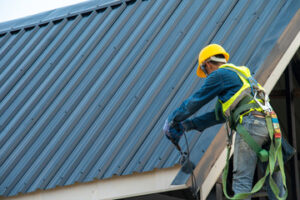
Roofers install, replace, and repair roofs on residential and commercial buildings. They use a variety of roofing materials, including asphalt shingles, tile, slate, and metal sheets. They also may perform maintenance tasks such as cleaning gutters and removing debris from the work area. Roofers typically collaborate with other construction professionals, such as carpenters and electricians, to ensure that the roof is constructed correctly and integrated with other building elements. They often interact with customers and clients to discuss project details and answer questions.
Roofer work is physically strenuous. It involves climbing and working at heights, lifting heavy materials, and bending and kneeling for extended periods of time. It is important for roofers to be comfortable wearing safety gear and using tools that can be dangerous if misused. They must be unafraid of heights and have the physical strength to carry bundles of shingles that can weigh up to 60 pounds. Roofers must also be able to navigate ladders, scaffolding, and roof surfaces that are steep and slippery.
Most roofers work full time, though they may have fewer hours in the winter. They may need to work overtime during the summer to complete jobs before rainy weather or hot temperatures interfere with their work. Some roofers choose to enter the occupation through an apprenticeship program that combines on-the-job experience with classroom instruction.
In addition to installing and repairing roofs, some roofers specialize in certain types of roofing. For example, some roofers only work on flat or low-sloped roofs, while others focus on shingle roofing systems. Specialized roofers can help their employers meet specific needs, such as installing skylight windows or re-slating an entire roof surface.
Roofers are typically employed by construction companies, but they also may work for homeowners or private contractors. They may also be self-employed, operating their own roofing business. Regardless of their employment status, most roofers receive on-the-job training as apprentices or assistants under the guidance of more experienced roofers. Apprenticeship programs generally last three years and include a combination of work experience and classroom instruction.
Roofing contractors use a variety of tools to perform their duties. A basic tool kit includes a utility knife, trowel, ladder hoist and tape measure. You should also have a hard hat and gloves. Safety harnesses are also important as a fall can be catastrophic. If you are a beginner, you may want to consider investing in a rope grab which attaches to the safety harness and locks instantly if you fall.
A ridge bucket is another hand tool that will make your life easier on the roof. Its rigid V-shaped design fits easily on any rooftop ridge and holds shingles tightly without spilling. This is an especially helpful tool for shingle replacement or installation. Lastly, you will need some kind of shingle ripper, which is a tool with hooks on one side to cut shingles and other materials.
A power tool is essential for the roofer because it speeds up tasks and makes them safer. A cordless drill can be used to create holes and secure screws, while a hot air welder is a necessary tool for sealing seams in roofing membranes. Metal cutter shears are also a must-have for roofing contractors, as they allow them to cut through metal materials with precision.
In addition to these specialized tools, a roofing contractor will need general tools such as screwdrivers, levels and pliers. A pair of safety goggles is also a must-have for any job that involves working at heights.
You should also invest in a sturdy work belt, which will help you carry your tools and keep them organized. A good quality hammer with a curved claw can help you pull nails with ease and a tin snip is perfect for cutting shingles. It has long cut snips that make it easy to cut and it is made of durable material to handle heavy-duty usage.
Tape measures are a must-have for any contractor, as they ensure that measurements are precise and materials are cut correctly. A high-quality tape measure will give you a more accurate reading, which can save you time and money in the long run.
Roofers often work outside in all weather conditions, and may be exposed to extreme heat or wind. The work can be physically strenuous, involving climbing, bending and stooping for long periods of time. In addition, working from heights can be dangerous if the proper safety precautions are not taken. Falls from ladders or scaffolding are the most common causes of workplace injuries for roofers.
Depending on the type of roofing work being performed, roofers need to be knowledgeable about appropriate building practices and codes, including those for commercial roofs that are different from residential ones. This requires specialized training that goes beyond basic skills obtained through an apprenticeship or on-the-job experience.
Other factors that can affect the physical health of roofers include dehydration and sun exposure. Taking frequent breaks to drink water and to move around can help them avoid heat stress. They also need to use sunscreen with a high SPF factor and a hat to protect their skin from the sun. Too much sun can cause short-term problems such as reddening and blistering, but can also lead to more serious long-term conditions such as skin cancer.
Many roofers work as part of a construction team and must coordinate with others to ensure that their roofing work is integrated effectively with other tasks. This can be particularly important when working on older buildings with unique features that require special attention to detail.
The work of some roofers involves using chemicals such as solvents to clean and prepare surfaces before laying roofing materials. These substances can present dangers to workers, especially if they are not properly handled or stored. The Control of Substances Hazardous to Health Regulations 2002 set out the legal requirements for managing these risks.
The work of some roofers involves installing skylights, which can be a source of light and air in a building. These must be installed carefully to prevent leaks or damage to the structure of the building. Other roofers install cladding, natural or synthetic slate, clay or concrete tiles and other roofing materials on new buildings. They also may create decorative lead or metal items in keeping with the architectural style of the building. Specialist roofers can also work on historic or culturally significant buildings.
Roofers learn the skills they need through on-the-job training or by completing an apprenticeship. Apprenticeship programs typically last three to four years and include a combination of on-the-job experience, technical training and examinations. Apprentices start as helpers and progress to assistant roofers, then to journeypeople.
There are a variety of professional associations that offer roofing courses and certifications. The National Roofing Contractors Association (NRCA) and the Tile Roofing Institute (TRI) are two examples. NRCA offers online and in-person courses, while TRI has a network of regional centers. The courses cover a range of topics, including safety and best practices.
Roofing is often performed on large commercial buildings, such as offices and shopping centers. These jobs require a different set of materials and techniques than residential roofing. A commercial roofer must also understand local building codes and regulations.
The job duties of a roofer may include:
- Inspecting the structure of a roof to identify issues.
- Repairing or replacing shingles and other roofing materials.
- Assessing storm damage and other weather-related problems.
- Installing vapor barriers and insulation.
Other responsibilities may involve communicating with clients and other construction professionals. Strong customer service and communication skills are important for this role.
In addition to these general duties, roofers may perform specific tasks related to their expertise. For example, some roofers specialize in flat or low-sloped roofs, while others work with specific roofing systems. Some roofers also perform specialized tasks such as installing skylight windows or lead sheeting and cladding.
While many roofers are self-employed, some work for small or medium-sized businesses. In these cases, they may oversee the work of other roofers and assist them with repairs or installations. They also may be responsible for analyzing building plans and ensuring that the roof is installed according to specifications.
Regardless of the type of work, all roofers must have certain abilities to perform their job well. These abilities include gross body equilibrium, problem sensitivity, and trunk strength. In addition, roofers must be able to think quickly and solve complex problems while working at heights. They also need to be able to follow directions and instructions.