What Is Roofing and Why Is It Important?

Roofing is the construction and installation of the upper part of a building or structure. It protects the interior from rain, snow, and sunlight.

Some roofing methods can significantly reduce the energy penalty of a building. However, the selection of the right roofing method is critical as it can have a significant impact on the energy performance of a building. For more information, click the link https://www.topnotch-roofing.com/ to proceed.
Protects Your Home from the Elements

It would be impossible for you to enjoy your home’s comforts if mother nature were allowed to wreak havoc on the structures within. A well-constructed roof protects against snow, rain, wind, and extreme temperatures and allows you to safely live inside your home. It’s essential to have enough insulation and proper ventilation to prevent excess moisture in your attic and wood rot throughout the home. Overhanging branches are also a concern, as they can break off during winter storms or high winds and damage the shingles on your roof. Trimming these branches early in the season will help prevent this problem.

Aesthetics

A roof’s primary function is to protect the home from the elements, but it also plays a significant role in aesthetics. From the sleek lines of a modern design to the rustic charm of a cottage, the roof adds a distinct visual appeal to any home. When it comes to replacing your roof, the aesthetics of the new installation is just as important as functionality and durability. Choosing the right roofing material, coordinating colors, and incorporating architectural details can make a huge difference in your home’s overall look and feel.

The term “aesthetic” has a wide range of meanings and is often associated with the philosophy of art. However, the scope of the field of aesthetics is much broader than this, and includes those responses to natural objects that are described with terms such as beautiful and ugly.

In fact, the original meaning of the word is closer to that of “aesthetical,” and may be derived from the Greek aisthetikos, which meant “perceptible by the senses.” Aesthetics has been characterized as a branch of philosophy, the philosophy of art, and even as a science.

Aesthetic theories have typically fallen into one of two categories: internalist and externalist. Internalist theories emphasized the importance of the individual’s subjective experience and his/her own evaluation of beauty, while externalist theories argued that there are certain features of an object that are universally recognized as attractive. During the twentieth century, George Dickie’s criticism of Monroe Beardsley’s internalism led to an increased acceptance of externalism.

As an art, the study of aesthetics is concerned with the nature and value of works of art, and provides a framework for understanding and appreciating them. However, as the scope of the discipline has broadened over time, so too have the debates that have occurred concerning what is and is not considered part of the aesthetic experience.

The current dispute between particularists and generalists in the field of aesthetics seems to be a revival of the eighteenth-century debate between rationalists and theorists of taste, as exemplified by Immanuel Kant’s Critique of Judgement (1790). Whether or not it is possible to distinguish what is and is not part of the aesthetic experience remains a matter of considerable contention.

Energy Efficiency

The average homeowner spends over $500 each year on heating and cooling, making energy efficiency a major concern. There are many ways that homeowners can reduce their energy costs, such as installing solar panels or upgrading appliances to more efficient models. Another way to save money and reduce a home’s carbon footprint is by investing in an energy-efficient roof.

The right roof will keep cool air in during the summer and warm air in during the winter, reducing your energy costs. A modern roofing system will also prevent cold or hot outdoor air from leaking into the building, increasing indoor comfort without putting undue strain on the HVAC system.

Energy-efficient roofing can be made from a variety of materials. For example, a reflective roof is designed to reflect sunlight and absorb less heat, allowing a building to stay cooler. This is an especially important benefit in warmer climates, where air conditioning is a large portion of monthly expenses.

A steep roof slope can help, as well. The steeper slope allows water to drain more easily and reduces the amount of heat that is absorbed. Additionally, choosing a lighter roof color can also significantly lower energy costs. Darker colors absorb more heat, while light or white colors reflect it.

An experienced roofer can provide advice on the best energy-efficient options for your home, taking into account your local climate conditions and other factors. They can also install insulation, which helps increase the thermal value of your home and decreases energy costs.

While a roof is an essential element of any building, it’s not something that people typically think about when it comes to green home improvements. But it’s one of the easiest ways to save money and cut environmental impact.

There are many benefits to choosing an energy-efficient roof, and today’s technology makes this type of roof a viable option for any home. If your roof is older, you might be paying more in energy costs than necessary. An updated, sturdy roof can make your home more comfortable and efficient, saving you money and helping to protect the environment.

Asphalt

Asphalt is a popular roofing material for residential homes. It is easy to install and offers a wide range of style options. It is also one of the most affordable roofing materials. However, affordability must be balanced with quality to ensure that you get the best roof for your money.

Asphalt shingles are manufactured to withstand the elements and resist fire, water, wind, and ice. They are often layered together to offer maximum durability. They are designed to be resistant to ultraviolet rays, making them an excellent choice for protecting your home or business from sun damage.

The base of an asphalt shingle is a fiberglass mat that is coated with waterproofing asphalt and topped with ceramic-coated mineral granules. The granules provide color and protection from the sun’s UV rays. The granules also add to the strength of the shingle, as they help to retain the heat and reduce glare.

In addition to being weather-resistant, asphalt shingles are energy efficient. They do not absorb heat like some other roofing materials, which helps to keep indoor temperatures cool and comfortable. However, proper ventilation is required to prolong the life of an asphalt shingle roof and prevent excessive attic temperatures, which can lead to ice dams and premature wear of the shingle surface.

An asphalt shingle roof is a good choice for homeowners who want an attractive and durable roofing solution. In addition to the traditional 3-tab shingles, many manufacturers produce premium shingles that mimic the look of other roofing materials, such as slate and cedar shakes. These shingles are thicker and more expensive than 3-tab shingles, but they offer increased durability and warranty coverage. The shingles are also available in a variety of colors to compliment any home style.

Wood

Wood shakes and shingles offer an organic appearance that adds depth and dimension to your home’s roof. They also offer protection from the elements, including extreme weather and hail, and are resistant to insects and rot. The beauty of wood is that it ages to a distinguished brown or gray color, which enhances your roof’s aesthetics and helps make it stand out among other homes in your neighborhood.

Wooden roofs are usually made of cedar, a durable and strong natural material. Cedar is naturally resistant to insect infestation and rotting, making it one of the most sustainable roofing materials available. Wood shakes and shingles typically last 15 to 30 years before needing replacement.

Although they’re one of the most environmentally friendly roofing options, wood shingles and shakes require more maintenance than other types of roofs. They must be regularly treated with preservatives and protective coatings to prevent rot and mold growth.

When selecting a wood shake or shingle, you’ll want to choose the type that suits your preferences and budget. Wood shingles and shakes come in two varieties: Shakes are thicker and feature a rugged appearance. They’re split by hand, allowing each piece to have a unique grain pattern and ridges that give your home an organic look.

They’re a popular choice for cabins and rustic-style homes, but can be used on any roof. They’re also less expensive than other types of shingles, but they may not be suitable for homes in areas that experience a lot of rain or wildfires.

What Does a Roofer Do?

Roofers West Chester PA install, repair, and replace the roofs of buildings. They use a variety of materials, including shingles, tile, metal, and solar shingles. Without their work, homes and businesses would be vulnerable to water leaks and structural damage.

Service roofers often focus on working with insurance companies to expedite the claim process. They also offer a range of options for pricing and warranties.

Roofers install, replace, and repair roofs on residential and commercial buildings. They use a variety of roofing materials, including asphalt shingles, tile, slate, and metal sheets. They also may perform maintenance tasks such as cleaning gutters and removing debris from the work area. Roofers typically collaborate with other construction professionals, such as carpenters and electricians, to ensure that the roof is constructed correctly and integrated with other building elements. They often interact with customers and clients to discuss project details and answer questions.

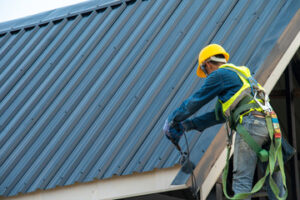
Roofer work is physically strenuous. It involves climbing and working at heights, lifting heavy materials, and bending and kneeling for extended periods of time. It is important for roofers to be comfortable wearing safety gear and using tools that can be dangerous if misused. They must be unafraid of heights and have the physical strength to carry bundles of shingles that can weigh up to 60 pounds. Roofers must also be able to navigate ladders, scaffolding, and roof surfaces that are steep and slippery.

Most roofers work full time, though they may have fewer hours in the winter. They may need to work overtime during the summer to complete jobs before rainy weather or hot temperatures interfere with their work. Some roofers choose to enter the occupation through an apprenticeship program that combines on-the-job experience with classroom instruction.

In addition to installing and repairing roofs, some roofers specialize in certain types of roofing. For example, some roofers only work on flat or low-sloped roofs, while others focus on shingle roofing systems. Specialized roofers can help their employers meet specific needs, such as installing skylight windows or re-slating an entire roof surface.

Roofers are typically employed by construction companies, but they also may work for homeowners or private contractors. They may also be self-employed, operating their own roofing business. Regardless of their employment status, most roofers receive on-the-job training as apprentices or assistants under the guidance of more experienced roofers. Apprenticeship programs generally last three years and include a combination of work experience and classroom instruction.

Roofing contractors use a variety of tools to perform their duties. A basic tool kit includes a utility knife, trowel, ladder hoist and tape measure. You should also have a hard hat and gloves. Safety harnesses are also important as a fall can be catastrophic. If you are a beginner, you may want to consider investing in a rope grab which attaches to the safety harness and locks instantly if you fall.

A ridge bucket is another hand tool that will make your life easier on the roof. Its rigid V-shaped design fits easily on any rooftop ridge and holds shingles tightly without spilling. This is an especially helpful tool for shingle replacement or installation. Lastly, you will need some kind of shingle ripper, which is a tool with hooks on one side to cut shingles and other materials.

A power tool is essential for the roofer because it speeds up tasks and makes them safer. A cordless drill can be used to create holes and secure screws, while a hot air welder is a necessary tool for sealing seams in roofing membranes. Metal cutter shears are also a must-have for roofing contractors, as they allow them to cut through metal materials with precision.

In addition to these specialized tools, a roofing contractor will need general tools such as screwdrivers, levels and pliers. A pair of safety goggles is also a must-have for any job that involves working at heights.

You should also invest in a sturdy work belt, which will help you carry your tools and keep them organized. A good quality hammer with a curved claw can help you pull nails with ease and a tin snip is perfect for cutting shingles. It has long cut snips that make it easy to cut and it is made of durable material to handle heavy-duty usage.

Tape measures are a must-have for any contractor, as they ensure that measurements are precise and materials are cut correctly. A high-quality tape measure will give you a more accurate reading, which can save you time and money in the long run.

Roofers often work outside in all weather conditions, and may be exposed to extreme heat or wind. The work can be physically strenuous, involving climbing, bending and stooping for long periods of time. In addition, working from heights can be dangerous if the proper safety precautions are not taken. Falls from ladders or scaffolding are the most common causes of workplace injuries for roofers.

Depending on the type of roofing work being performed, roofers need to be knowledgeable about appropriate building practices and codes, including those for commercial roofs that are different from residential ones. This requires specialized training that goes beyond basic skills obtained through an apprenticeship or on-the-job experience.

Other factors that can affect the physical health of roofers include dehydration and sun exposure. Taking frequent breaks to drink water and to move around can help them avoid heat stress. They also need to use sunscreen with a high SPF factor and a hat to protect their skin from the sun. Too much sun can cause short-term problems such as reddening and blistering, but can also lead to more serious long-term conditions such as skin cancer.

Many roofers work as part of a construction team and must coordinate with others to ensure that their roofing work is integrated effectively with other tasks. This can be particularly important when working on older buildings with unique features that require special attention to detail.

The work of some roofers involves using chemicals such as solvents to clean and prepare surfaces before laying roofing materials. These substances can present dangers to workers, especially if they are not properly handled or stored. The Control of Substances Hazardous to Health Regulations 2002 set out the legal requirements for managing these risks.

The work of some roofers involves installing skylights, which can be a source of light and air in a building. These must be installed carefully to prevent leaks or damage to the structure of the building. Other roofers install cladding, natural or synthetic slate, clay or concrete tiles and other roofing materials on new buildings. They also may create decorative lead or metal items in keeping with the architectural style of the building. Specialist roofers can also work on historic or culturally significant buildings.

Roofers learn the skills they need through on-the-job training or by completing an apprenticeship. Apprenticeship programs typically last three to four years and include a combination of on-the-job experience, technical training and examinations. Apprentices start as helpers and progress to assistant roofers, then to journeypeople.

There are a variety of professional associations that offer roofing courses and certifications. The National Roofing Contractors Association (NRCA) and the Tile Roofing Institute (TRI) are two examples. NRCA offers online and in-person courses, while TRI has a network of regional centers. The courses cover a range of topics, including safety and best practices.

Roofing is often performed on large commercial buildings, such as offices and shopping centers. These jobs require a different set of materials and techniques than residential roofing. A commercial roofer must also understand local building codes and regulations.

The job duties of a roofer may include:

  • Inspecting the structure of a roof to identify issues.
  • Repairing or replacing shingles and other roofing materials.
  • Assessing storm damage and other weather-related problems.
  • Installing vapor barriers and insulation.

Other responsibilities may involve communicating with clients and other construction professionals. Strong customer service and communication skills are important for this role.

In addition to these general duties, roofers may perform specific tasks related to their expertise. For example, some roofers specialize in flat or low-sloped roofs, while others work with specific roofing systems. Some roofers also perform specialized tasks such as installing skylight windows or lead sheeting and cladding.

While many roofers are self-employed, some work for small or medium-sized businesses. In these cases, they may oversee the work of other roofers and assist them with repairs or installations. They also may be responsible for analyzing building plans and ensuring that the roof is installed according to specifications.

Regardless of the type of work, all roofers must have certain abilities to perform their job well. These abilities include gross body equilibrium, problem sensitivity, and trunk strength. In addition, roofers must be able to think quickly and solve complex problems while working at heights. They also need to be able to follow directions and instructions.

Choosing a Roofing Company

Choosing a Roofing Company

During a time when many homeowners have trouble getting property insurance, a roofing company can offer clients peace of mind and help them navigate the process. In addition to providing insurance, a roofing company can offer expert advice about roof damage and repairs. Contact Lafayette LA Roofing Company for professional help.

Roofing

The roof of any building plays a critical role in its overall aesthetic. A roof’s shape, material, color, and texture can add drama to a structure, create a clean, modern look, or reflect a classic country cottage. Roofs can also communicate cultural meaning and evoke an era of history. Many homeowners and business owners seek to elevate the visual appeal of their property by choosing an aesthetically pleasing roof. Aesthetically inspired roofing often increases the value of a home or commercial property. Moreover, a well-designed and maintained roof can contribute to a sense of personal satisfaction and contentment in those who live or work in the building. Roof accessories like skylights, dormers, and chimneys are essential elements in the overall aesthetic of a roof and should be carefully integrated.

Energy efficiency

When choosing a roofing company, consider one that offers energy efficiency. This will not only save you money on utility bills, but it will also help reduce your environmental impact. Energy-efficient roofs are also more resistant to weather-related damage and can help increase the resale value of your home.

As a small business owner, you’ll wear many hats when running a roofing company. Your responsibilities include marketing, accounting, and managing subcontractors such as plumbing contractors and HVAC contractors. You’ll also need to be able to negotiate with suppliers and vendors for the best prices on materials and labor. This is crucial to your success as a roofing contractor.

A good marketing strategy will help you attract clients and build a solid reputation in the community. The best way to market a roofing business is through word-of-mouth recommendations. It is also important to have a strong website and social media presence, which will allow customers to find you easily. You should also try to use branded email blasts and newsletters to spread the word about your services.

Another great way to market your roofing company is to attend local business networking events. These events will give you an opportunity to meet potential customers and discuss their needs. You should also focus on promoting your brand with flyers and pamphlets. It is also a good idea to invest in a strong logo and slogan that will stand out from the competition.

When choosing a roofing company, be sure to check their licensing and insurance requirements. This will ensure that they have the proper training and qualifications to work on your roof. You should also ask for references and pictures of past projects. You should also ask for reviews on Google and other recommendation websites. While you should be careful when reading online reviews, they can be very helpful in determining whether a particular roofing company is right for your job. Also, be sure to choose a name for your business that is easy to pronounce and understand. Avoid names that are too long or confusing, as well as those with a business tag (such as LLC or Inc) that doesn’t actually apply to your legal entity.

Durability

It’s important to choose a roofing company that prioritizes durability. This is because durable roofs will last longer and provide greater value to homeowners. In order to find such a roofing company, it’s necessary to do extensive research, including reading online reviews and seeking references. These factors will help homeowners gain a better understanding of a roofing company’s track record, reputation, and customer satisfaction level. In addition, it’s also wise to obtain detailed quotes from several different roofing companies. This will allow homeowners to compare them based on a variety of different factors, including quality, reputation, and value.

Additionally, homeowners should look for a roofing company that offers warranties and guarantees. This will demonstrate their confidence in their work and offer peace of mind that any issues that may arise will be addressed at no additional cost. Lastly, it’s essential to choose a roofing company that has experience working in your local area. This will ensure that they have a thorough understanding of the unique climate and roofing regulations in your region. Moreover, a roofing company with local knowledge will be able to offer insights into the best materials and strategies for your roof.

Safety

A roofing company that prioritizes safety and professionalism is a good choice for a new roof installation or repair. They will have a clear process for working with customers and follow strict guidelines to ensure the health and well-being of their workers. They will also carry the proper insurance and credentials to protect the customer from any financial or legal issues that may arise during the project.

Roofing is a dangerous job that can lead to serious injury or even death if not performed correctly. This is why it is important to choose a roofing company with trained, experienced roofers. They will know how to safely use various tools and equipment and are aware of the hazards associated with roofing work. Many roofing companies also offer safety training for their employees, ensuring they are up-to-date on the latest industry standards and regulations.

Falling from heights is a common risk for roofing workers. To mitigate this risk, roofing contractors should install and maintain effective fall protection systems, such as guardrails and safety nets. They should also provide training to workers on ladder safety and conduct routine inspections and maintenance on all equipment to prevent accidents.

Another key component of safety is hazard communication. Roofing materials and adhesives often contain hazardous chemicals, so it is important to train workers on how to identify these substances and handle them properly. This includes educating workers on the dangers of exposure to these chemicals and providing information on first aid measures, fire fighting procedures, and other emergency responses.

Weather considerations can also be a major factor in roofing safety. Roofing contractors should assess the weather conditions on site and pause work if necessary to avoid excessive heat, rain, or snow. This will help to minimize the potential risks and ensure that all workers can return home safely at the end of the day.

In addition to the above, a reputable roofing company will always prioritize communication with their customers. They will provide a detailed proposal and contract, explain the scope of work, and be available to answer any questions or concerns that may arise throughout the project. They will also keep the customer updated on the progress of the work and address any unexpected challenges that may arise.