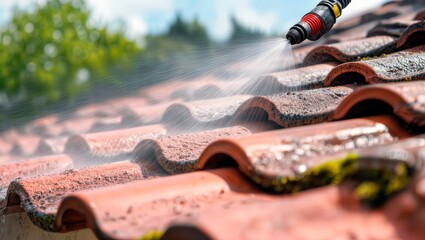
A clean roof looks better and helps extend its lifespan. In addition, it minimizes the chance of organic debris penetrating the home and prevents moss or mildew growth that can erode roofing materials.
Start by inspecting the roof to make sure there are no loose shingles or other damage. Choose a cool, overcast day to avoid drying the cleaning solution too quickly and protect surrounding landscaping from chemical runoff. Contact your local Roof Cleaning professional for more information.
Remove Debris
Whether it’s leaves, dirt, or even moss and algae growth, debris can cause your roof to deteriorate faster than it should. It can also lead to leaks and other problems, including roof rot or structural damage, depending on the type of organic material that accumulates.
Regular maintenance removes that buildup and extends your roof’s lifespan. While some homeowners do their own roof cleaning, it’s often safer and more thorough to enlist the help of professional roofing contractors. These professionals have the tools and expertise to complete a thorough cleaning and inspection without damaging your shingles, skylights, or gutters.
Start with a Clean Gutters
Before you begin any cleaning, take the time to clear away organic debris from your gutters and downspouts. This will prevent clogging that can lead to water damage in your home.
When you’re ready to tackle the task of removing debris from your roof, start with a soft-bristled brush to loosen and remove surface dirt. Work in small sections to reduce your risk of damage to shingles. Always wear slip-resistant footwear to avoid falling off the roof or ladder.
Next, sweep away any remaining dirt or twigs using a long-handled broom. For any stubborn growths, such as lichen or moss, you can use a solution of trisodium phosphate (TSP) and bleach to remove the growth. This is recommended by multiple manufacturers and is safe to use on shingle roofs.
Be sure to cover any plants or shrubs surrounding your home with tarps and/or wet them down to protect against chemical runoff from the TSP. Crepe myrtles and other shrubs are especially vulnerable to the effects of bleach, which can kill them if left unattended.
After clearing away all visible debris, a professional can inspect your roof for any signs of damage or structural issues that require repair. Identifying these early on will save you money and reduce the need for major repairs later on. This early detection is a key reason why many homeowners choose to invest in professional roof cleaning services.
Rinse
If there’s visible dirt or stains on your roof, rinse it gently with a garden hose on a low pressure setting to avoid dislodging shingles or damaging surrounding plants. You can also use an ionic pressure washing pole, which allows you to wash the roof materials and surrounding vegetation from a ladder or from the ground rather than climbing up on the roof itself.
Before you start washing your roof, trim any overhanging branches that may drop debris during the cleaning process. This can help keep clogged gutters from encouraging algae growth after you finish the job. Protect any surrounding plantings by covering them with tarps to shield them from runoff chemicals. You should also lay down plastic to catch any solution that reaches the ground and collect it for proper disposal. After you finish rinsing the roof, you can spray it with zinc-sulfate powder along all ridge lines and under eaves. The powder sucks moisture out of moss and kills it, which will cause the moss to wash away when it rains.
Protect Your Plants
There’s a lot to be proud of when it comes to your home’s landscaping, especially those perfectly trimmed bushes and seasonally planted flowers. But removing organic stains from your roof and siding can put those greenery elements at risk from overspray and cleaning solution runoff.
Before the soft washing process begins, walk around your property and check out what’s growing nearby. Point out any sensitive plants that may be at risk, and ask your roof cleaning team to avoid them. In addition, reroute downspouts that empty into gardens or shrubbery to prevent water and cleaning solution from affecting those areas. Lastly, covering sensitive plant life with tarps or wetting them down beforehand helps to reduce their exposure to chemicals and moisture.
It’s also a good idea to schedule your roof cleaning for a cool, overcast day. This will help to ensure that the cleaning solution dries quickly and doesn’t leave streaks or damage your plants. The right preparation can help you safely and effectively clean your roof and enjoy your landscape at the same time.