What Does a Roofer Do?

Roofers West Chester PA install, repair, and replace the roofs of buildings. They use a variety of materials, including shingles, tile, metal, and solar shingles. Without their work, homes and businesses would be vulnerable to water leaks and structural damage.

Service roofers often focus on working with insurance companies to expedite the claim process. They also offer a range of options for pricing and warranties.

Roofers install, replace, and repair roofs on residential and commercial buildings. They use a variety of roofing materials, including asphalt shingles, tile, slate, and metal sheets. They also may perform maintenance tasks such as cleaning gutters and removing debris from the work area. Roofers typically collaborate with other construction professionals, such as carpenters and electricians, to ensure that the roof is constructed correctly and integrated with other building elements. They often interact with customers and clients to discuss project details and answer questions.

Roofer work is physically strenuous. It involves climbing and working at heights, lifting heavy materials, and bending and kneeling for extended periods of time. It is important for roofers to be comfortable wearing safety gear and using tools that can be dangerous if misused. They must be unafraid of heights and have the physical strength to carry bundles of shingles that can weigh up to 60 pounds. Roofers must also be able to navigate ladders, scaffolding, and roof surfaces that are steep and slippery.

Most roofers work full time, though they may have fewer hours in the winter. They may need to work overtime during the summer to complete jobs before rainy weather or hot temperatures interfere with their work. Some roofers choose to enter the occupation through an apprenticeship program that combines on-the-job experience with classroom instruction.

In addition to installing and repairing roofs, some roofers specialize in certain types of roofing. For example, some roofers only work on flat or low-sloped roofs, while others focus on shingle roofing systems. Specialized roofers can help their employers meet specific needs, such as installing skylight windows or re-slating an entire roof surface.

Roofers are typically employed by construction companies, but they also may work for homeowners or private contractors. They may also be self-employed, operating their own roofing business. Regardless of their employment status, most roofers receive on-the-job training as apprentices or assistants under the guidance of more experienced roofers. Apprenticeship programs generally last three years and include a combination of work experience and classroom instruction.

Roofing contractors use a variety of tools to perform their duties. A basic tool kit includes a utility knife, trowel, ladder hoist and tape measure. You should also have a hard hat and gloves. Safety harnesses are also important as a fall can be catastrophic. If you are a beginner, you may want to consider investing in a rope grab which attaches to the safety harness and locks instantly if you fall.

A ridge bucket is another hand tool that will make your life easier on the roof. Its rigid V-shaped design fits easily on any rooftop ridge and holds shingles tightly without spilling. This is an especially helpful tool for shingle replacement or installation. Lastly, you will need some kind of shingle ripper, which is a tool with hooks on one side to cut shingles and other materials.

A power tool is essential for the roofer because it speeds up tasks and makes them safer. A cordless drill can be used to create holes and secure screws, while a hot air welder is a necessary tool for sealing seams in roofing membranes. Metal cutter shears are also a must-have for roofing contractors, as they allow them to cut through metal materials with precision.

In addition to these specialized tools, a roofing contractor will need general tools such as screwdrivers, levels and pliers. A pair of safety goggles is also a must-have for any job that involves working at heights.

You should also invest in a sturdy work belt, which will help you carry your tools and keep them organized. A good quality hammer with a curved claw can help you pull nails with ease and a tin snip is perfect for cutting shingles. It has long cut snips that make it easy to cut and it is made of durable material to handle heavy-duty usage.

Tape measures are a must-have for any contractor, as they ensure that measurements are precise and materials are cut correctly. A high-quality tape measure will give you a more accurate reading, which can save you time and money in the long run.

Roofers often work outside in all weather conditions, and may be exposed to extreme heat or wind. The work can be physically strenuous, involving climbing, bending and stooping for long periods of time. In addition, working from heights can be dangerous if the proper safety precautions are not taken. Falls from ladders or scaffolding are the most common causes of workplace injuries for roofers.

Depending on the type of roofing work being performed, roofers need to be knowledgeable about appropriate building practices and codes, including those for commercial roofs that are different from residential ones. This requires specialized training that goes beyond basic skills obtained through an apprenticeship or on-the-job experience.

Other factors that can affect the physical health of roofers include dehydration and sun exposure. Taking frequent breaks to drink water and to move around can help them avoid heat stress. They also need to use sunscreen with a high SPF factor and a hat to protect their skin from the sun. Too much sun can cause short-term problems such as reddening and blistering, but can also lead to more serious long-term conditions such as skin cancer.

Many roofers work as part of a construction team and must coordinate with others to ensure that their roofing work is integrated effectively with other tasks. This can be particularly important when working on older buildings with unique features that require special attention to detail.

The work of some roofers involves using chemicals such as solvents to clean and prepare surfaces before laying roofing materials. These substances can present dangers to workers, especially if they are not properly handled or stored. The Control of Substances Hazardous to Health Regulations 2002 set out the legal requirements for managing these risks.

The work of some roofers involves installing skylights, which can be a source of light and air in a building. These must be installed carefully to prevent leaks or damage to the structure of the building. Other roofers install cladding, natural or synthetic slate, clay or concrete tiles and other roofing materials on new buildings. They also may create decorative lead or metal items in keeping with the architectural style of the building. Specialist roofers can also work on historic or culturally significant buildings.

Roofers learn the skills they need through on-the-job training or by completing an apprenticeship. Apprenticeship programs typically last three to four years and include a combination of on-the-job experience, technical training and examinations. Apprentices start as helpers and progress to assistant roofers, then to journeypeople.

There are a variety of professional associations that offer roofing courses and certifications. The National Roofing Contractors Association (NRCA) and the Tile Roofing Institute (TRI) are two examples. NRCA offers online and in-person courses, while TRI has a network of regional centers. The courses cover a range of topics, including safety and best practices.

Roofing is often performed on large commercial buildings, such as offices and shopping centers. These jobs require a different set of materials and techniques than residential roofing. A commercial roofer must also understand local building codes and regulations.

The job duties of a roofer may include:

  • Inspecting the structure of a roof to identify issues.
  • Repairing or replacing shingles and other roofing materials.
  • Assessing storm damage and other weather-related problems.
  • Installing vapor barriers and insulation.

Other responsibilities may involve communicating with clients and other construction professionals. Strong customer service and communication skills are important for this role.

In addition to these general duties, roofers may perform specific tasks related to their expertise. For example, some roofers specialize in flat or low-sloped roofs, while others work with specific roofing systems. Some roofers also perform specialized tasks such as installing skylight windows or lead sheeting and cladding.

While many roofers are self-employed, some work for small or medium-sized businesses. In these cases, they may oversee the work of other roofers and assist them with repairs or installations. They also may be responsible for analyzing building plans and ensuring that the roof is installed according to specifications.

Regardless of the type of work, all roofers must have certain abilities to perform their job well. These abilities include gross body equilibrium, problem sensitivity, and trunk strength. In addition, roofers must be able to think quickly and solve complex problems while working at heights. They also need to be able to follow directions and instructions.

Why Insulation Removal Is Necessary

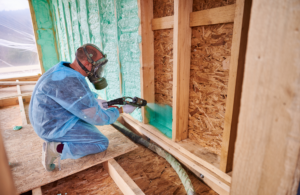
Perth Insulation Removal is vital to a comfortable home, but over time it may become damaged or contaminated. Removing the old insulation and replacing it with new material can improve the home’s energy efficiency, comfort, and health.

Fiberglass and cellulose insulation come in batts or rolls, while blown-in insulation is usually a foam board panel. Removing and disposing of insulation can be a messy job that requires the proper equipment.

Unless your home was built recently, it likely has some form of attic insulation. Whether you are remodeling your attic into a bedroom or turning it into a home theater, removing old insulation is an essential step in the project. It’s also a necessary step in making your home energy efficient. However, it isn’t a project for the faint of heart. It’s a messy, time-consuming task that requires special equipment and safety precautions. Ultimately, it’s best left to professionals.

Before attempting to remove your attic insulation, make sure you’ve done your research. You’ll want to understand how the insulation was installed and its condition. This will help you determine if it is worth the hassle of removal and disposal or if you should simply replace it.

If the insulation is in good shape, you may not need to remove it at all. If it’s a fiberglass or cellulose insulation, it should maintain its R-value as long as it is kept away from moisture and rodents. However, if the insulation has been damaged by moisture or mold and is beyond saving, it’s time to call a professional for removal.

One of the easiest ways to assess your attic insulation is by conducting a touch test. Using your hand, touch the walls of your attic to see if they are warm and dry. If they are, the insulation is in good condition and can be saved. However, if the insulation is moist or infested with pests, it’s time to call a pro for removal and disposal.

When preparing to start the project, you’ll need to clear out any furniture in your attic space. It’s also important to protect your belongings from dust and other debris that may fall through the open attic door during the process. In addition, you’ll need to set up a ladder in order to reach the attic floor and access the old insulation.

Once the attic is cleared, you’ll need to prepare the work area by covering any openings with tarps and making sure that your ladder is secure. You’ll also need a HEPA filtered shop vac, a rake, a dustpan, and garbage bags for the cleanup. It’s also recommended that you wear protective gear such as gloves, goggles, and a respirator. This will reduce the risk of dangerous chemicals and dust infiltrating your lungs.

Insulation prevents the transfer of heat (conductive) or cold (diathermic). It is also used to reduce airflow through gaps and holes in walls, floors, attics, crawl spaces, rim joists, and doors and windows. Insulation is a critical component of home energy conservation. It helps to keep warm air inside during the winter and cool air outside during the summer, reducing heating and cooling costs and helping to improve indoor air quality.

There are several types of insulation available, including cellulose, fiberglass, sprayed foam, and radiant barriers. Some are designed to be installed in new construction, while others can be added to existing homes. The type of insulation you choose should be based on your local climate, where and how the insulation will be installed, and your budget.

Fiberglass is the most common type of insulation, and it comes in batts or rolls that are placed between wall studs and roof rafters during construction. It’s made of glass or plastic fibers that are spun or blown to create blanket, rolls, and loose-fill insulation. Some varieties of fiberglass contain asbestos, so it’s important to check the product label if replacing insulation in an older home. Asbestos can cause cancer, so professional help should be sought when handling it.

Cellulose insulation is made from up to 85% recycled paper products, and it fits tightly into building cavities to inhibit airflow. It is often injected with mineral borate or ammonium sulfate to make it fire and insect-resistant. It can be used in both new and existing homes and is often sprayed or blown into place with special equipment carried by professionals or available for rent to DIYers.

Foam boards are firm structures that reduce the amount of conductive heat that passes through wood wall studs and roof joists. They can be made from polyurethane, expanded or extruded polystyrene, or polyisocyanurate. The R-value of foam board insulation varies, with the higher the R-value, the better the insulating power.

Structural insulated panels, or SIPs, are thick panels of insulation built into the framing of a home during construction. They offer high levels of thermal resistance and can help reduce building times, making them popular with builders. However, they’re usually more expensive than traditional homebuilding methods and aren’t practical for homeowners to use on renovation projects.

Old insulation, especially that from older homes, contains dangerous materials like asbestos. If this type of insulation is disturbed during removal, the asbestos fibers may be inhaled, causing mesothelioma and other health conditions. This is often the case with older vermiculite insulation and cellulose attic insulation, but can also be the case with other materials in use before 1980, including urea-formaldehyde and Zonolite. The safest option is to work with a professional that specializes in asbestos abatement and can safely remove the material. This service will sanitize and disinfect the area before adding new insulation, making sure no harmful materials remain behind.

Over time, insulation can become contaminated with mold and mildew spores and other allergens. Water damage to attic insulation can cause this, as well. This can lead to a wide range of health problems for homeowners, including skin irritation and respiratory problems.

Insulation can also become contaminated with rodent droppings and urine. Rodents love attics because they provide them with a warm place to have their babies and hide from predators. This means that attic insulation can be rife with mice and rat droppings, which can spread diseases to those who touch it or inhale the fecal particles.

In addition to causing airborne pollutants, the sharp fibers of some types of insulation can cause cuts and other injuries when they come into contact with skin or other surfaces. Some insulation products also contain formaldehyde, which can irritate the mouth, nose, and eyes of those who are sensitive to it.

Some types of insulation contain dangerous chemicals that can interfere with the body’s natural functions, such as disrupting thyroid hormones or affecting nervous system development. If these chemicals are released from spray foam insulation during installation, they can enter the living space and create a range of symptoms, including itchiness, nausea, headaches, and even vomiting. If these chemicals are ingested, immediate medical help is required to prevent serious health problems. This is why it’s important to have all contaminated insulation removed and replaced immediately.

Insulation in attics may need to be removed due to rodent infestations, water damage and mold, or simply because it is old and deteriorating. In any of these cases, it is important that insulation is replaced promptly to prevent health risks for your family as well as damage to the structural integrity of your home.

The type of insulation used in your house is also important to consider when thinking about insulation removal. Certain types of insulation can contain toxic materials that can cause health issues for homeowners if they are not handled properly. For example, vermiculite and mineral wool can contain asbestos which is a carcinogen that has been linked to mesothelioma and other respiratory diseases. It is important to hire a professional insulation company that has the proper training and equipment to safely remove these types of toxic materials from your home.

When removing insulation, it is important to wear protective clothing. This includes a mask or respirator to protect your lungs from any particles that may be released during the process. It is also important to wear gloves and long sleeves to protect your skin from any irritation. Additionally, it is important to clear out any items or belongings in the attic before beginning the insulation removal process. This will create a clear workspace and prevent any accidental damage to personal possessions.

It is also important to turn off any power sources in the attic before starting the process. This will eliminate the risk of a potential electrical fire or shock if live wires are accidentally touched during insulation removal. Additionally, it is important to keep any heat-producing appliances away from areas where insulation has been removed to avoid igniting the material and causing a fire hazard.

Inspecting your attic insulation regularly is a great way to ensure that it is still intact and working effectively. Insulation that is old or damaged can reduce your energy efficiency and lead to higher than normal energy bills. In addition, if you are considering selling your home in the future, a new layer of insulation can help increase your sales price and make your home more attractive to potential buyers.

Choosing a Roofing Company

During a time when many homeowners have trouble getting property insurance, a roofing company can offer clients peace of mind and help them navigate the process. In addition to providing insurance, a roofing company can offer expert advice about roof damage and repairs. Contact Lafayette LA Roofing Company for professional help.

Roofing

The roof of any building plays a critical role in its overall aesthetic. A roof’s shape, material, color, and texture can add drama to a structure, create a clean, modern look, or reflect a classic country cottage. Roofs can also communicate cultural meaning and evoke an era of history. Many homeowners and business owners seek to elevate the visual appeal of their property by choosing an aesthetically pleasing roof. Aesthetically inspired roofing often increases the value of a home or commercial property. Moreover, a well-designed and maintained roof can contribute to a sense of personal satisfaction and contentment in those who live or work in the building. Roof accessories like skylights, dormers, and chimneys are essential elements in the overall aesthetic of a roof and should be carefully integrated.

Energy efficiency

When choosing a roofing company, consider one that offers energy efficiency. This will not only save you money on utility bills, but it will also help reduce your environmental impact. Energy-efficient roofs are also more resistant to weather-related damage and can help increase the resale value of your home.

As a small business owner, you’ll wear many hats when running a roofing company. Your responsibilities include marketing, accounting, and managing subcontractors such as plumbing contractors and HVAC contractors. You’ll also need to be able to negotiate with suppliers and vendors for the best prices on materials and labor. This is crucial to your success as a roofing contractor.

A good marketing strategy will help you attract clients and build a solid reputation in the community. The best way to market a roofing business is through word-of-mouth recommendations. It is also important to have a strong website and social media presence, which will allow customers to find you easily. You should also try to use branded email blasts and newsletters to spread the word about your services.

Another great way to market your roofing company is to attend local business networking events. These events will give you an opportunity to meet potential customers and discuss their needs. You should also focus on promoting your brand with flyers and pamphlets. It is also a good idea to invest in a strong logo and slogan that will stand out from the competition.

When choosing a roofing company, be sure to check their licensing and insurance requirements. This will ensure that they have the proper training and qualifications to work on your roof. You should also ask for references and pictures of past projects. You should also ask for reviews on Google and other recommendation websites. While you should be careful when reading online reviews, they can be very helpful in determining whether a particular roofing company is right for your job. Also, be sure to choose a name for your business that is easy to pronounce and understand. Avoid names that are too long or confusing, as well as those with a business tag (such as LLC or Inc) that doesn’t actually apply to your legal entity.

Durability

It’s important to choose a roofing company that prioritizes durability. This is because durable roofs will last longer and provide greater value to homeowners. In order to find such a roofing company, it’s necessary to do extensive research, including reading online reviews and seeking references. These factors will help homeowners gain a better understanding of a roofing company’s track record, reputation, and customer satisfaction level. In addition, it’s also wise to obtain detailed quotes from several different roofing companies. This will allow homeowners to compare them based on a variety of different factors, including quality, reputation, and value.

Additionally, homeowners should look for a roofing company that offers warranties and guarantees. This will demonstrate their confidence in their work and offer peace of mind that any issues that may arise will be addressed at no additional cost. Lastly, it’s essential to choose a roofing company that has experience working in your local area. This will ensure that they have a thorough understanding of the unique climate and roofing regulations in your region. Moreover, a roofing company with local knowledge will be able to offer insights into the best materials and strategies for your roof.

Safety

A roofing company that prioritizes safety and professionalism is a good choice for a new roof installation or repair. They will have a clear process for working with customers and follow strict guidelines to ensure the health and well-being of their workers. They will also carry the proper insurance and credentials to protect the customer from any financial or legal issues that may arise during the project.

Roofing is a dangerous job that can lead to serious injury or even death if not performed correctly. This is why it is important to choose a roofing company with trained, experienced roofers. They will know how to safely use various tools and equipment and are aware of the hazards associated with roofing work. Many roofing companies also offer safety training for their employees, ensuring they are up-to-date on the latest industry standards and regulations.

Falling from heights is a common risk for roofing workers. To mitigate this risk, roofing contractors should install and maintain effective fall protection systems, such as guardrails and safety nets. They should also provide training to workers on ladder safety and conduct routine inspections and maintenance on all equipment to prevent accidents.

Another key component of safety is hazard communication. Roofing materials and adhesives often contain hazardous chemicals, so it is important to train workers on how to identify these substances and handle them properly. This includes educating workers on the dangers of exposure to these chemicals and providing information on first aid measures, fire fighting procedures, and other emergency responses.

Weather considerations can also be a major factor in roofing safety. Roofing contractors should assess the weather conditions on site and pause work if necessary to avoid excessive heat, rain, or snow. This will help to minimize the potential risks and ensure that all workers can return home safely at the end of the day.

In addition to the above, a reputable roofing company will always prioritize communication with their customers. They will provide a detailed proposal and contract, explain the scope of work, and be available to answer any questions or concerns that may arise throughout the project. They will also keep the customer updated on the progress of the work and address any unexpected challenges that may arise.

Should You Hire a House Painter?

Many homeowners view house painting as a cost that can be avoided. They believe that it is easy to do and that a professional is unnecessary. Contact House Painter Avondale now!

These individuals may offer cheaper quotes, but they will not be able to deliver the quality of work that you expect. In order to make an informed decision, you should understand what goes into a paint job.

A house painter is responsible for applying stains, wall coverings and paint to walls in new construction or renovation. He or she may also refinish cabinets and sand and scrape existing surfaces. In addition, he or she may also have repair responsibilities such as filling nail holes or blemishes with plaster and putty. It is a highly skilled job that requires experience and a keen eye for detail. The cost of hiring a professional can be worth it, especially when compared to the increased home value that a fresh coat of paint adds.

It is not uncommon for homeowners to hire two or three different painting contractors in order to get the best price. The first responsibility of the house painter is to provide a detailed quote for services to the homeowner, including the project scope, completion timeline and labor and material costs. It is essential for the painter to provide a precise quote to avoid any confusion or disputes.

The type of paint and finishes used by a house painter can also affect the final cost of the project. It is important to select a paint that is durable and will last for the life of the home. Additionally, opting for low- to no-VOC paints can reduce the amount of chemicals that are released into the air and can aggravate allergies or asthma.

Lastly, the house painter should be able to communicate with the homeowner to ensure that the expectations for the project are understood. He or she should be able to answer questions regarding the project and offer suggestions on color options. It is also important for the painter to understand the homeowner’s budget and timelines in order to meet them.

It is also important for the house painter to be able to work safely in a variety of weather conditions. The job can be very physical, and a painter should be able to lift and carry heavy loads of equipment, as well as stand for extended periods of time while working on high ladders. In addition, a painter should be able to operate power tools, as well as use sprayers and air compressors to apply spray paint.

The time it takes to complete a House Painter’s job depends on the size of the home and number of rooms. It also depends on the condition of the house and whether it needs any prep work. For example, if the walls are in bad shape and need repair, it can add a day or more to the total painting time. In addition, the painters have to clean and prepare the surface before applying the paint. In some cases, it can take up to two weeks to finish interior and exterior painting.

The average house painters earn between $20 and $25 per hour, depending on experience. They may work as a contractor for a paint company or as independent contractors. Some of them even run their own painting businesses, where they hire painters to do the work for them. Many of them have a high school diploma or GED certificate and are skilled in the use of various types of painting materials. Some also have college degrees, with common majors including business, art, and general studies.

Before starting on a project, the house painter must provide an accurate quote to the client. This quote should list the project scope, time frame for completion, and cost of labor and materials. Some painters may include the brand and shade of paint they will use in their quotes, making it easy for homeowners to compare prices and quality.

Once the quote is accepted, the house painter must begin prepping the area for painting. This includes removing loose paint chips and sanding rough areas. It is also important to cover floors and remove furniture before starting. This prep work can take a few hours to complete. The painters should also be sure to cover any holes or cracks with caulking, wood filler, or patching plaster, and they must sand all surfaces before painting.

If the house is in good condition, it will take less time to paint. However, if the home is older or in poor condition, it will require more prep work than a newer home. A quality house painter will do all the prep work required and make the surface ready for paint. They will also work with the homeowner to understand what they want their finished product to look like and help them choose the right colors.

A professional house painter is more than just a brush and a can of paint. They create works of art that transform homes and offices. It’s important to find the right person for the job. You want someone with the right experience and a good reputation. The best way to do this is to check references. A reliable house painter will have a list of satisfied customers that you can call to talk about their experience.

In addition to their painting skills, a skilled house painter can also help with wall repair and cleaning. They can also advise on the best materials and colors for each space. They will also be familiar with local laws and regulations. In some cases, they may even be required to have a license.

Most house painters begin their careers by working on an apprenticeship. This allows them to learn their trade in a safe environment while being under the supervision of an experienced contractor. This way, they can avoid making costly mistakes that could damage the home.

The qualifications needed to be a successful house painter include a strong work ethic, a steady hand, and upper body strength. In addition, they must be able to follow directions and keep the job on schedule. They must also be able to work in a variety of weather conditions. A good house painter will always seek to improve their craft by following industry developments and trying new techniques and instruments. They should also be able to communicate effectively with their clients.

Depending on the type of paint being used, a house painter must be familiar with different application methods and drying times. They must also be able to identify which surfaces need to be treated with a special sealant or primer. They must also be able to apply various textures and finishes, such as faux finish, textured walls, and plaster. Lastly, they must be able to properly prepare surfaces for painting, which includes washing them, filling holes and cracks, and sanding until smooth. They will often be exposed to toxic fumes and must use ventilators to keep themselves safe.

Painting can be a messy job, so you should have some equipment and supplies ready to go. A good set of brushes and a roll of painters tape are important for getting a clean finish. You should also have a screwdriver to remove electrical outlet covers, light switches and other hardware. Keeping a caulking gun and patching knife on hand is helpful for repairing cracks in walls before you paint.

There are several types of ladders that can be used for house painting. A straight ladder is the simplest and most versatile, while a step ladder or extension ladder is more convenient for reaching high areas. You should also have a paint bucket, a broom or sweeper and a brush cleaner on hand to keep your work area clean. In addition to these items, you should have a paint sprayer if you want to get a faster and more professional finish.

This tool is great for covering large areas and provides a more even coat of paint. It’s also a good idea to invest in a set of good quality brushes and rollers, as the better ones will help you achieve a smooth and professional finish.

A good pair of nitrile gloves can protect your hands from harsh chemicals that are used in this profession. You should also use a face mask to prevent inhaling volatile organic compounds (VOCs) and other hazardous substances that are used when working with paint.

You should also wear a hardhat and safety glasses when working on the roof or outside of the home. If you are working on a ladder, you should also wear a harness and rope to avoid falling off the side of the house.

In addition to the proper tools and equipment, you’ll need a ladder, a ladder extender and other painting supplies to complete your project. Make sure you buy a ladder with a non-slip surface, and choose one that’s sturdy enough to support your weight. You can also add a step stool or other supports to the bottom of the ladder if you need more stability.

Why You Should Have Your Chimney Inspected

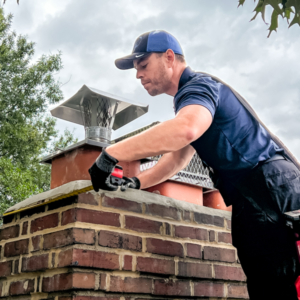
Chimney Inspection Baltimore help homeowners discover the condition of their fireplaces and chimneys. This information is valuable for preventing fires, avoiding expensive repairs, and diagnosing ongoing performance problems.

A level 1 inspection is the most common, examining all accessible areas of the chimney structure and flue. However, a level three evaluation is required if a hidden hazard is suspected.

A level 1 inspection is a basic inspection that involves looking around the exterior of your chimney and checking for water damage, cracks, or other issues. A chimney sweep typically does it to make sure your chimney is safe and in good working condition.

Level 2 inspections are more in-depth and look at the chimney structure and the readily accessible portions of your combustible materials. A level 2 chimney inspection can only be completed by a certified chimney sweep and requires special equipment that allows the chimney sweep to see what they normally cannot with their eyes. This type of inspection is often necessary after a fire or any other external event that could cause damage to your chimney.

It is recommended that you have this type of inspection done yearly, and it is also mandatory to get this inspection before selling your home or changing fuel sources. In addition, a level 2 inspection is required after a significant change in the construction of your chimney or flue (i.e., relining, replacement of an appliance), changes in the shape of your chimney or flue, or the installation of a new fireplace, masonry heater or wood stove.

Preparing for your DOT inspection starts with having all your documents in order. This includes your driver’s license, medical certificate, skill performance evaluation certificate, if applicable, and any ELD or log books and vehicle registrations. It would help if you kept these up to date and always had them with you in case you needed to show them to the inspector.

It’s also important to know that the inspector will review all aspects of your truck and driver safety, including cargo securement, brake systems, lighting devices (headlamps, tail lamps, turn signals, and lamps/flags on projecting loads), steering mechanisms, suspensions, and tires. You will need to have all of these in working order to pass the inspection and ensure that you drive safely and follow all DOT guidelines.

Generally, you must be near your truck or in the cab during most of the inspection. Depending on the complexity of your vehicle, this can take anywhere from 45 – 60 minutes.

A Level 2 chimney inspection takes a more detailed look at the structure of your fireplace and the flue with the help of video equipment. The technician inserts a camera down the chimney to observe the interior walls of your fireplace and the condition of your flue lining. The camera can spot cracks, gaps, dents, missing mortar, and other signs of deterioration or intrusion. It can also confirm that the flue lining is free of flammable material. The inspector can then assess the condition of your chimney structure and make recommendations for repairs or a possible reline.

Level 2 inspections are recommended for a variety of reasons. They are especially necessary before you sell a home, as they give potential homeowners peace of mind that the chimney and fireplace are safe to use. During a typical real estate home inspection, the professional home inspector can only examine the readily accessible parts of your chimney and fireplace.

Chimney and fireplace safety is a major concern for any homeowner. Unfortunately, thousands of homeowners experience a fire or other chimney issue each year. A comprehensive chimney inspection is the best way to identify and repair problems before they become dangerous or costly.

The most important reason to schedule a Level 2 chimney inspection is if there have been significant changes to your fireplace or chimney. These include a change in fuel type (such as moving from wood to gas) or an alteration to the flue’s design or construction.

Another time to schedule a Level 2 chimney inspection is after an outside event that may have damaged the chimney. Earthquakes, chimney fires, and other natural disasters can seriously impact your fireplace’s ability to function safely. A Level 2 inspection can help you find the source of your long-term chimney problems.

Getting a level 2 inspection before installing a new appliance is also a good idea. This will ensure that your chimney is sized properly for the new heating device and can provide a proper draft to fuel the fire and send smoke up and out of the home.

A Level 3 inspection is a big deal, and it can be costly for you. In addition to a bad CSA score, you can lose business, get out of service, and incur fines. That’s why preparing yourself to pass the inspection with flying colors is important. It all comes down to working properly and having the right paperwork. For example, you should always have a copy of your driver’s license and medical card with you. You should also keep copies of vehicle inspection reports and the HM/DG requirements for each truck, trailer, or bus.

It would help to have your chimney and fireplace professionally inspected at least once per year. These inspections protect your home from accidental fires, flue blockages, and carbon monoxide poisoning. They also ensure that the chimney is safe to use and that no serious issues need to be addressed.

Over time, your chimney can get clogged with leaves, twigs, branches, debris, and animal nests. This can cause a dangerous buildup of combustible material and impede proper drafting, which could lead to a chimney fire. If you have a critter problem in your chimney, you can end up with carbon monoxide fumes in your home, which are lethal.

Chimney fires are one of the primary causes of residential house fires every year. These fires are often caused by creosote, a highly flammable chemical that forms in your chimney walls when you burn wood. Creosote accumulation is difficult to remove on your own and can be very destructive. Chimneys that are not regularly inspected and cleaned can also develop structural problems, which may not be obvious to homeowners.

Even if your chimney is in good condition, you should schedule regular level-one inspections. The inspector will be able to see any areas that need improvement or repair, and they can recommend solutions to ensure your chimney is working properly.

You should also consider scheduling a level two or three inspections if it has been a while since your chimney was last inspected. These inspections are more intensive and useful if you have recently experienced a chimney fire or dramatic weather events, such as a hurricane, earthquake, or tornado. During these types of inspections, the chimney professional will go into your attic, crawl space, or other area to get a closer look at the hard-to-reach areas of your chimney.

It is also smart to schedule a chimney inspection if you are considering selling your home or changing your heating system. These changes can affect how your fireplace and chimney work and an inspection will help you address any issues before they become more problematic.

Before the chimney sweep arrives, ensure that all embers have completely burned out and that your fireplace is cool. It’s a good idea to spread a drop cloth or towel in front of the fireplace to keep any ash and debris from spilling on your floor. In addition, you should roll up any rugs in the area to protect them from soot and ash.

Once the chimney sweep finishes the inspection and cleaning, you will receive a written report outlining your chimney’s condition, including any recommendations for repairs or maintenance. In addition to noting any signs of structural deterioration like cracking bricks, the report will detail the amount and type of accumulating creosote. It will also list any other issues, such as white stains or efflorescence, that indicate the presence of moisture.

A professional chimney sweep can also recommend safety measures, such as a fireplace insert, which reduces creosote buildup and makes removing it easier. He or she can also advise you on the best way to use your fireplace safely, such as adding a few aspen logs to the end of each fire to help it burn quickly and cleanly.

Benefits of Carpet Flooring

Carpets are soft underfoot and offer your home a warm and cozy feel. They also help to dampen sound and absorb impacts, making them a good choice for homes with young children.

Carpet Flooring

Carpet flooring is available in various colors and designs to fit your style and décor. However, they can be prone to staining and may require more maintenance than other flooring options. Visit https://www.helenaflooringpros.com to learn more.

Carpet is the safest flooring choice for children and seniors, providing cushioned support in case of falls. It also absorbs impact noise to create a quieter environment.

Modern carpets are designed with a durable backing that helps reduce the risk of slips and falls in wet or icy conditions. This is especially important in areas that are prone to spills or have a high traffic volume such as entryways and break rooms.

Carpet can be easily maintained through regular vacuuming and prompt clean-up of spills and other accidents. A quality maintenance program can help extend the life of a facility’s carpet and achieve its intended appearance goals.

During construction, a secondary back is placed underneath the face yarn, which provides stiffness and a strong foundation for the fibers. This also serves to prevent the spread of soil between tufts. The back can be made from polypropylene strands or an open-woven fabric. This is often treated with a flame-retardant chemical to meet fire safety codes.

Insulation

Carpets have a high thermal resistance, known as R-value, which helps retain the warmth of a room. Combined with an insulated underlay made from recycled fibre felt, it can help reduce energy costs and is particularly beneficial in cold climates. It also improves indoor air quality by filtering out pollutants, making it suitable for allergy and asthma sufferers.

Choosing a thicker carpet will enhance its insulating properties and will help to lower your home energy bills. However, it is important to remember that carpets are not designed as a floor covering for radiant heating systems. It is possible to use a special insulating underlay that can be placed underneath your carpet to increase its thermal resistance, but this will add to the overall cost of the installation.

Modular carpet tiles are a great choice for commercial spaces, providing insulation and a comfortable, cushioned surface underfoot. They are easy to maintain and can be easily cleaned or replaced when worn. In addition, they can be used to create a unique pattern and colour scheme for any space.

In addition to its comfort and insulation benefits, carpet is also an effective sound absorber. It can reduce noise pollution and can help to prevent accidents such as slips and falls. In addition, carpet is an affordable alternative to hard flooring options and can provide significant savings in the long run. It is also a more environmentally sustainable option, as many manufacturers offer a variety of eco-friendly solutions and use only recyclable materials.

Warmth

Carpets feel warm underfoot and promote a cozy feeling in a room. They are also natural insulators, helping to retain heat and reduce energy bills. The padding that is installed beneath wall-to-wall carpeting further magnifies these insulating qualities.

When you walk on a cold concrete floor with no underlay, your feet will lose body heat to the ground and quickly feel cold. On the other hand, walking on carpeted floors feels warm as the underlay hugs the floor, trapping warmth underfoot.

The soft fibres of carpet are natural insulators and have low thermal conductivity values. They also provide underfoot comfort and a warmer environment in winter. Carpet can also protect your home from draughts, preventing hot air from escaping through gaps under doors and in the flooring and walls.

However, if your carpet is not maintained well then it will need replacing more often than other types of flooring. Ensure that your carpets are vacuumed regularly and professionally cleaned. This will help to extend the life of your carpets and reduce maintenance costs. Carpets are also better at absorbing sound than hard surfaces, dampening noise and reducing the transmission of it from room to room. This is especially beneficial in bedrooms where noise from children or pets might disturb you.

Comfort

Carpet provides a soft and comfortable surface to walk on, which is especially beneficial for households with children or elderly individuals. It also acts as an insulator and provides thermal resistance to reduce energy costs and the impact on the environment.

Its plush fibers absorb and muffle sounds, making them a good choice for promoting a sense of relaxation in living spaces. It’s also slip-resistant, which can help prevent falls and injuries in households with young children or seniors. In addition, the softness of carpet flooring helps to reduce noise levels from rooms adjoining one another.

The variety of colour, texture and design options makes carpet versatile enough to complement almost any style of decor. It’s easy to maintain, and can be easily repaired or replaced if damaged or stained.

Choosing the right type of carpeting is essential to its longevity and performance. Wool carpets, for example, are known for their durability and quality fibres that resist matting and crushing. Nylon and polyester carpets are more cost-effective and less prone to staining, but offer lower levels of resilience and comfort. Modular carpet tiles, on the other hand, are popular for their versatility and ease of installation. Their design allows homeowners to create unique floor patterns that facilitate way-finding and delineate different zones for various activities. Additionally, carpets are often resistant to trapping allergens such as dust mites or pet dander, which can be harmful to health.

Allergens

Carpets act as reservoirs for allergens like dust mites, pet dander and pollen. These irritants can remain in the fibers of carpet for long periods of time, and vacuuming only partly removes them. Over the long term, they can become airborne and trigger allergic reactions or other respiratory issues. In addition, carpets can trap and retain moisture, fostering the growth of mold and mildew which also triggers allergies in sensitive people.

Studies have found that carpeting significantly increases levels of the mite allergens Der p 1 and Fel d 1, as well as ergosterol (a component of the cell wall of molds). Other studies have shown that the onset or exacerbation of asthma can be associated with the presence of carpeted floors, though these results are less clear cut.

The good news is that there are some carpets designed to be more hypoallergenic than others, especially those with a Greenguard certification, meaning they’re low in volatile organic compounds which are known to trigger respiratory conditions. In addition, routine care and maintenance, such as prompt response to spills, regular cleaning, dehumidification in damp environments and the use of moisture-reducing products, can all help limit the effects of allergens on your health. Lastly, a recent study has found that carpets can reduce the concentration of certain respiratory allergens, including Fel d 1 and ergosterol, after being cleaned. The study suggests that this may be due to the elimination of carpet-bound irritants from the indoor environment by removing allergens from the floor covering, and the subsequent release of these chemicals into the atmosphere.

Indoor Air Quality

Carpets are an important part of the indoor environment, and they can significantly affect indoor air quality through emissions, sink effect (sorption and re-emission), and transformation. They can also increase exposure to allergens and microbial contamination by capturing them in the fibers and resuspending them when people walk on them.

Depending on the type of carpet and how it is constructed, different carpets may have varying degrees of resuspension and exposure effects. This is why it is important to do your research before choosing a specific carpet. The Carpet and Rug Institute (CRI) was the first industry group to study the impacts of carpet on IAQ, and they continue to work with the Environmental Protection Agency and other industry organizations on the subject.

The CRI Green Label Plus program also voluntarily sets strict standards on VOCs from the fiber, cushion and adhesive. This program can help consumers identify low VOC carpets that will provide good IAQ.

Another way that carpet can affect IAQ is by being a source of organic growth. If your carpet stays damp for too long, it can be a breeding ground for mold and other unwanted organisms. In addition, the use of chemical-based cleaning products in the home can cause carpet to absorb and retain these chemicals. It is best to keep carpet out of humid areas and in spaces that are likely to be flooded, such as bathrooms and kitchens.

Why You Should Consider Replacement Windows

The first step when shopping for replacement windows is to take your initial measurements. This will give you a rough opening window measurement that professionals can use when ordering your new windows.

Replacement Windows

Measure horizontally from the bottom of your frame at the left, middle, and right side jambs. Circle the smallest number for your rough opening width measurement.

Often, one of the main reasons homeowners decide to upgrade their windows is energy efficiency. The good news is that modern double-pane and triple-pane Replacement Windows can offer better insulation than older single-pane windows, lowering your energy costs. In fact, according to ENERGY STAR, replacing old single-pane windows with energy-efficient ones can cut your heating and cooling costs by 20% – 31%.

Energy-efficient Replacement Windows also provide improved weather protection and reduced noise from outside. They reduce the amount of frigid air that leaks into your home in winter and hot outdoor air that seeps in during summer. They prevent the formation of drafts, which makes your home feel warmer and more comfortable year-round and allows you to lower your heating and cooling bills.

New and replacement windows are available in a wide variety of shapes, sizes, materials, colors, and operational styles. They are also designed with a range of glass options to meet the needs and budgets of all types of homes.

Most replacement windows come in two forms: full frame and insert windows. Full frame windows are installed in new construction and major renovations that require removal of the exterior window trim and siding. They are more expensive than insert windows because they replace the entire window frame.

Insert windows, which fit into the existing window frames, are less expensive than full frame windows and offer many of the same benefits. However, they are a bit more difficult for do-it-yourselfers to install because they must be custom-sized for each window. In addition, they may be slightly smaller than the original window, reducing the view.

When selecting replacement windows, look for the NFRC label. This indicates the window’s energy performance and contains important information, including its U-factor, which measures how well it keeps heat from escaping your home, and its Solar Heat Gain Coefficient, which rates how well it blocks the sun’s heat from penetrating your home.

Energy-efficient windows are a great investment that can add value to your home and help you save money on heating and cooling bills. They are also attractive to potential homebuyers and can increase your resale value.

Natural Light

The light coming into your home through windows is more than just beautiful, it helps keep you healthy. Research has shown that exposure to natural light improves mood, lowers stress levels and aids in weight loss. It also makes people more productive. If your home is lacking in natural light, it may be time to consider replacing your windows.

One of the most popular reasons to install new windows is to save money on energy costs. However, it’s important to recognize that inefficient windows can actually cost you more money over the long run if you don’t address the underlying issues that cause poor performance, such as water infiltration and damaged insulation.

You’ll also want to ensure that the new windows you choose are appropriate for your home’s architecture and style, as well as your budget. A qualified window specialist will help you evaluate your options and choose the best solution.

There are two types of replacement windows: insert and full frame. Insert windows fit into an existing window frame and replace the glass and moving parts, but do not replace the entire frame. They are sometimes referred to as pocket windows. Full frame replacement windows, on the other hand, include a completely new window that is installed into an existing wood or vinyl casing.

Many homeowners use their new windows as a opportunity to spruce up the look of their home. The right window style and color can create a more updated appearance that will increase your home’s value and curb appeal. Some manufacturers offer a wide variety of colors, styles and grid patterns to give your windows an individual look.

The best windows are not just functional and aesthetically pleasing, they’re also durable and easy to maintain. For example, many modern windows feature between-the-glass blinds and shades that are protected from dust when they’re open. This feature makes cleaning your windows easier and less time consuming than ever. Additionally, the windows’ low maintenance materials and high quality craftsmanship are designed to last for years of trouble-free operation.

Better Appearance

It is possible to find replacement windows that look like they could have been part of your original home, and still meet modern energy efficiency and weather protection standards. The key is to focus on what’s important to you. That means avoiding compromises on style, components, or features that don’t seamlessly align with your vision for the home and property.

You can also improve the appearance of your home without a major renovation project by replacing old windows with new replacement windows that offer many design and styling options to fit your needs. This includes choosing a wide range of frame types, colors, and hardware finishes to complement the exterior of your house. Window styles with tilt-to-clean and lift-out panels make cleaning easier, while optional multi-point locking systems improve security and safety.

Many homeowners prefer to maximize light and views, a trend that’s driving a move away from muntins — vertical and horizontal grids that divide a full pane of glass into sections, often Colonial-style. Another emerging trend is narrow sashes that create a more minimal look, and a slimline frame that’s easier to clean.

These trends are helping drive the popularity of newer replacement window technologies that deliver high performance with a more traditional, sleek appearance. Manufacturers are also offering wood-look frames with vinyl or aluminum-clad materials that protect against weather and other damage, and a variety of interior finishes. Some manufacturers are even offering a wide choice of wood species and grain patterns.

In addition to the aesthetics, many replacement windows are designed for easy installation. Some are available as “pocket” replacements, which replace only the sashes (the upper and lower parts of the window that hold the glass) and slide into place inside the existing frame. Other replacements are a bit more involved, and are referred to as new-construction replacement windows; these require removing the entire old window frame, sill, and trim.

Regardless of what type of replacement window you choose, it’s important to check the quality of materials and workmanship before making a purchase. To help, consult with a local window expert or reputable online resources such as the Window Preservation Alliance directory.

Reduced Noise

Whether you’re home alone or entertaining guests, your home should be a quiet sanctuary from the outside world. But if your windows are old and worn, noises from traffic or heavy equipment can easily filter in and keep you from relaxing at home. New replacement windows help reduce outside noises so you can enjoy your home’s serenity.

One of the primary ways that new windows reduce noise is by preventing airborne sound waves from passing through the glazing. The double and triple pane glass that most replacement windows feature acts as a secondary barrier to stop exterior sound from transferring into your home. In addition, many window manufacturers offer laminated glass that helps reduce outside noise even more by absorbing and dissipating sound waves before they reach your interior walls.

Other window features that reduce outside noises include a tight seal and insulation. Insulation helps prevent the transfer of heat between the inside and outside of your home, which reduces conductive noise. In addition, the frame of a new replacement window may be made from a dense material like wood or vinyl. This is a much better option than metal frames that transmit sound very easily.

The type of installation process you choose can also play a role in how well your replacement windows reduce outside noise. Flush flange windows install flush against your wall frame and can be secured to the surrounding stucco finish. Insert replacement windows, on the other hand, fit directly into your existing window frame and are a good choice for homes that have a traditional style. They can help preserve the frame, trim and siding of your home, especially with century-old homes that exude a specific architectural style.

Another way that replacement windows can reduce noise is by filling the space between the window’s glass with a gas. The gap is usually filled with argon, which is a poor conductor of heat and helps to reduce the transmission of noise. Some manufacturers also make windows that are vacuum sealed, which is even more effective at reducing outside noises.

How to Become a Plumber

Plumbers install, repair, and maintain pipes that convey water, sewage, and waste in residential and commercial buildings. The Woodlands Plumber also ensures that fixtures and appliances are properly connected to these plumbing systems.

Those interested in becoming plumbers should first take technical courses. Local colleges or trade schools usually offer these. The next step is to complete a plumbing apprenticeship with a construction company.

Plumber

Despite their close resemblance, plumbing and piping are not the same thing. They are two different systems that have distinct functions and fall under different regulations. The key difference is their purpose. Plumbing pipes transport water while piping systems move chemicals, gases and other fluids to support industrial facilities.

Plumbing is a system of pipes used to deliver hot and cold water to residential and commercial buildings. It also provides drainage for sewage and waste. In cities, the plumbing system is often part of a large network that directs solid waste to sewage treatment plants and supplies fresh water to homes and businesses. In rural areas, plumbing pipes are more likely to link to local groundwater sources and septic tanks for drainage.

A plumbing pipe can be made from a variety of materials, including copper, brass, cast iron, galvanized steel and PVC. The choice of material depends on the needs of the project and the environmental requirements. A good quality plumbing system is designed with efficiency in mind to reduce costs and maintenance. This includes minimizing the length of pipes and ensuring that valves are easily accessible. It also includes the use of fittings that are compatible with the system’s operating conditions and materials.

Piping is a vast interconnected system that contains separators, flanges, pressure hoses, traps, strainers and other devices that separate, distribute, control or stop the flow of fluids within a facility. It also uses special items to carry fluids, such as pumps, motors, valves and instrumentation. The components of a piping system are typically designated as pipe, tubing, fittings or flanges in applicable material specifications.

While a piping system is an integral component of any industrial plant, it can be difficult to distinguish from a plumbing system. It is important to understand the differences between the two systems before attempting to install a piping system. This will help ensure that you comply with building codes and avoid costly mistakes. It will also make it easier for you to create plumbing plans and understand the symbols that are commonly used.

A career as a plumber requires more than just being handy. Plumbers need specialized knowledge about construction and a variety of tools to complete their work. While anyone with a high school diploma can start working as a plumbing helper under supervision, getting licensed and taking on independent projects demands years of training. The main pathways to becoming a licensed plumber are apprenticeships, formal trade school programs, and on-the-job experience.

Plumbing education covers everything from basic construction skills to advanced pipe-laying and repair techniques. The rigorous curriculum is designed to teach learners the skills they need to safely install, test, and maintain residential, commercial, and public building plumbing systems. This includes understanding piping layouts, reading blueprints, and plumbing codes. In addition, students learn how to use a variety of hand and power tools as well as various plumbing fixtures.

Many apprentices learn through on-the-job training, working with experienced plumbers while they attend classes at night or on the weekends. These training programs usually last five years, and the apprentices must pass a series of tests before they can become licensed. However, there are also trade schools that offer accelerated programs for those interested in entering the industry quickly.

These programs typically last two to three years, and they provide students with the knowledge and hands-on experience necessary to succeed in the field. The coursework teaches students the fundamentals of plumbing, including piping techniques, kitchen and bathroom rough-ins, fixture installation, hot water and steam heating systems, and plumbing repairs. In addition to classroom instruction, these programs provide hands-on training with the use of hand and power tools, a variety of plumbing fixtures, and the latest in pipe-laying technologies such as socket and groove and flange and butt weld piping.

In addition to offering traditional apprenticeships, the SUNY system offers several Associate of Applied Science degrees in the areas of plumbing and heating technology. These programs are often more affordable, faster to complete, and can lead directly to careers in the skilled trades. They also fulfill the hourly requirements for apprenticeships. Regardless of which path a student takes, punctuality is essential to the success of any plumbing career. Being on time is the first step toward earning the trust of clients and co-workers.

There are a few different types of licenses available for plumbers. Each one requires specific training and experience, including the completion of a registered apprenticeship program or work as an entry-level plumber under a licensed journeyperson for a number of years depending on the jurisdiction. Most cities and counties require a license for plumbing work, as do many private employers. The state offers three licensing options: a limited license, a journeyman plumbing license, and a master plumber’s license.

Most municipalities have apprenticeship programs and other training opportunities for potential plumbers. Several of these programs are run by local BOCES (Board of Cooperative Educational Services). These apprenticeships typically last four years and provide on-the-job learning, paid training, and a high school diploma or equivalent. There are also several online courses and training centers that offer specialized training for plumbers. Some of these programs cost a small fee, but most are free or offered at low cost to residents of the state.

Once you have completed your apprenticeship or other required training, the next step is to pass a written and hands-on exam. You can find more information on the exam requirements and locations by visiting the Department of Buildings website. There are also multiple prep classes offered in the area by unions and independent trade organizations that help prepare students for the exams.

There are also additional certifications available for plumbers to enhance their career. These are not mandatory but can improve your job marketability by demonstrating that you have the necessary skills and knowledge to perform specific jobs. NITC, ASSE and other professional certifications are available through national and regional organizations.

If you are planning to start your own plumbing business, you may need a business license as well. The requirements for this will vary by municipality, but you should contact your local municipality to learn more. You should also get small business insurance to protect your investments and ensure that you have the coverage you need to meet any financial obligations. provides comprehensive small business insurance at a fraction of the price that you’ll find from legacy insurers.

A plumbing apprenticeship is a program that allows you to earn while you learn. These programs are sponsored by unions, trade schools and service companies and typically consist of 4 to 5 years of on-the-job training with classroom learning. Apprentices learn to become a plumber through mentorship and training from a journeyman plumber. During this time, the apprentice is often paid for their work and may even receive benefits and health insurance.

During this time, an apprentice learns about all aspects of the business and how to operate different pieces of equipment. This can include installing and repairing pipes, cutting into walls, removing clogs, and using camera sewer line inspection equipment. An apprentice also learns how to prepare cost estimates and how to work with a variety of customers. The best applicants are well organized and detail oriented, able to follow instructions, enjoy working with people, and have strong mechanical skills.

Many of the skills learned during a plumbing apprenticeship are taught through observing and doing, rather than in a classroom setting. Apprentices work side-by-side with a master plumber and learn the ins and outs of the profession through hands-on experience. As the apprentice becomes more skilled, the master plumber will often give them more and more responsibility until they are ready to become a licensed journeyman plumber themselves.

A high school diploma is the minimum requirement for becoming an apprentice plumber. However, many people attend a vocational school to learn the basics before applying for an apprenticeship. These schools can help match you with a plumbing company, labor union or master plumber who is willing to teach you the craft. Many vocational schools have a course specifically devoted to plumbing that teaches you the basics of the job as well as your state’s regulations for safety and plumbing codes.

Whether you’re interested in becoming an apprentice plumber or just want to get more information about the career, you can reach out to customer care team. We’ll be happy to answer your questions and help you find the right apprenticeship opportunity for you.

Dumpster Rental Basics

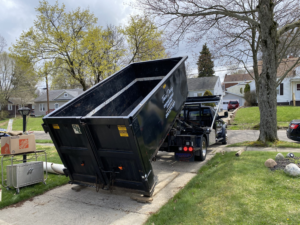
Dumpster Rental Maryland are large containers that hold waste until a trash collector picks them up. They can be rented by individuals or businesses to get rid of unwanted materials. Some items, such as chemical cleaners, motor oil, and tires, are prohibited.

Starting a dumpster rental business requires a clear business plan, registering your business, and getting the right equipment.

Various dumpster sizes are available to suit different waste disposal needs. It’s important to understand these sizes, their dimensions, and how they differ to make the best choice for a particular project. This knowledge will help you save money and ensure your project is completed with minimal disruptions.

Preparing the waste you intend to throw away before the dumpster arrives is also a good idea. This will reduce the time you need to fill it, reducing the rental cost. For example, you should break down large boxes to maximize the space inside the dumpster. It would be best if you kept the trash as neatly stacked as possible, which will help you stay within the weight limits of your dumpster.

The type of waste that will be thrown away is another crucial factor in choosing the right dumpster size. Bulky items require more space than standard office waste. Similarly, heavy materials might push the weight limit of a standard dumpster. Therefore, selecting a dumpster slightly larger than your project requires is generally a good idea.

Another consideration is how frequently the dumpster will be emptied. This will affect how much waste can be placed in the container at any given time and influence how long you can go between haul-aways.

Dumpsters are usually delivered and retrieved by truck, so it’s important to ensure the car can get close to the site without overrunning its trailer or blocking traffic. It’s also a good idea to check with local authorities to see if there are any restrictions on dumpster placement or if you need to obtain a permit.

Finally, you should consider the overall budget for your project. Dumpsters come in various price ranges, and you can find the right one for your budget by comparing prices from multiple rental companies. It’s also a good idea to check with your waste management company about recycling options, which can help minimize the amount of garbage in landfills.

A successful dumpster rental company requires a solid business plan. This should include strategies for customer service, marketing, and financial forecasts. It should also outline your goals and objectives for the business. You should also include a budget for purchasing dumpsters, trucks, and trailers, as well as expenses like insurance and a contingency fund. It would be best if you also determined whether you will hire employees or work with contractors. Each option has pros and cons, so consult a business lawyer or financial advisor if necessary.

To succeed in the dumpster rental business, you must understand the market and your competitors well. Detailed market reports can help you identify the most profitable opportunities and target customers directly. They can also provide valuable insights into consumer behavior and industry trends.

Dumpster rental companies are a dime a dozen, so making your business stand out is important. Use PPC advertising to increase visibility and reach. This form of marketing is less expensive than other methods and can deliver results quickly. However, it’s not a one-size-fits-all approach, so you should try several tactics to find what works best for your dumpster rental business.

Another way to stand out is by providing superior customer service. This can be achieved in various ways, including offering free or low-cost services like online scheduling and account management. These services can help you build a loyal following and grow your dumpster rental business.

It’s also important to be honest with your customers. For example, let them know if there are any restrictions on your dumpster rental, such as size limitations or weight limits. This will prevent them from overfilling your dumpster, which can cause safety and hauling problems. It would be best to inform them about additional fees, such as overage charges or extra hauling costs.

If you’re looking for a dumpster rental, look at Waste Management (WM). Our flexible rentals are perfect for any project, from apartment renovations to commercial construction projects. And our friendly, knowledgeable team is always ready to assist.

Dumpster rental businesses provide a valuable service by providing a safe and convenient way to dispose of waste. They help keep communities clean and tidy and play an important role in keeping local landfills from overflowing. However, there are a few things that dumpster rental companies should keep in mind when choosing where to store their dumpsters.

First, choosing a location that is easy to access is important. This will allow customers to drop off their waste quickly and easily, which can help to keep costs down. In addition, it’s important to choose a place protected from weather and other environmental factors. Finally, it’s a good idea to choose a location close to a recycling facility, which can reduce the amount of waste sent to landfills.

Understanding the cost of operating a dumpster rental business is also crucial. This includes operational expenses like fuel and labor and fixed costs like insurance and equipment financing. Understanding these costs allows you to create a pricing structure to cover expenses and provide a reasonable profit margin.

Another key factor in the success of a dumpster rental business is customer service. This means responding promptly to inquiries and resolving issues quickly. It also means being friendly and professional at all times and providing consistently high service standards. Lastly, asking for customer feedback and taking it seriously is important.

A strong marketing strategy is another key element of success in the dumpster rental business. This includes using online and offline marketing tactics to reach a wide audience. Online marketing strategies include website creation, social media profiles, and search engine optimization (SEO). Offline marketing methods include signage on your trucks, print advertisements, and word-of-mouth referrals.

To increase the likelihood of a successful dumpster rental business, it’s important to create a business plan. This plan will help you define your goals and objectives and identify potential risks and challenges. It will also help you secure financing if necessary. Finally, it’s a good time to consider your legal structure and tax obligations. Some options include a limited liability company, sole proprietorship, or partnership.

Choosing the right time to rent a dumpster can make your project much easier. This is especially true when it comes to renovations and construction projects. Requesting a dumpster rental as soon as you start your project is important, as this can help ensure that the correct dumpster size is delivered to your site. It can also help you avoid any unnecessary delays or waste. In addition, choosing a company with a great reputation for customer service is important. This can help you feel confident that your dumpster will be delivered on time and in the best possible condition. Vine Disposal is a good choice for dumpster rentals, as they have excellent customer reviews and a wide selection of sizes.

Before renting a dumpster, it’s important to understand clearly what you will be throwing away. This will help you determine which dumpster size is necessary and prevent you from paying extra fees for unwanted items. Most professionals can tell from a description of your project what size dumpster is needed, but if you need more clarification, you can always ask for assistance.

Once you’ve selected a dumpster rental business name, it’s a good idea to register it with your state. This process varies by state but usually involves filing paperwork and paying fees. You’ll also need to set up a bank account for your business. This will allow you to track your finances and deposit receipts and help you separate your personal and business finances.

Once your dumpster rental business runs, you can begin marketing it to potential customers. The best way to do this is through online marketing channels, such as search engine optimization (SEO) and social media marketing. You can also use paid advertising to reach a wider audience. In addition, it’s a good idea to network with local contractors, construction companies, and event organizers who may need your services. These contacts can help you build credibility and trust, increasing your chances of gaining new clients.

Hiring a Home Electrician

If your lights keep flickering even after you switch in a new bulb, it’s time to call an electrician. This could indicate bad wiring or your house needs to be rewired.

Ampi Electric Inc. also safely fits GFCI outlets for bathrooms and kitchens and tamper-resistant receptacles. This is especially important if children like to stick things into plug sockets.

electrician

You need to meet a few requirements to become licensed as a home electrician. This includes having a high school diploma and completing an apprenticeship. You also need to pass a written and practical exam. These exams are typically held by the Licensing and Exams Unit of the Department of Buildings. In addition, you must submit a background investigation report to the department. You may also have to attend seminars or classes on the National Electrical Code.

Some states have different requirements for licenses as a residential or commercial electrician. Others require certification from an accredited trade or vocational school. Regardless of the state, you need to have strong mechanical aptitude and be confident taking apart and putting together items in order to solve problems. You also need to be comfortable working on ladders and scaffolding.

Different states have varied requirements for obtaining a license to work as a commercial or residential electrician. Others demand certification from a trade or vocational school that has earned accreditation. In order to solve problems, you must possess a strong mechanical aptitude and the confidence to disassemble and reassemble objects, regardless of the state. You must also feel at ease using scaffolding and ladders.

A master electrician can do a variety of tasks, including installing wiring and outlets. They also repair and maintain existing wiring. They work with a wide variety of electrical equipment and may be involved in the design process. They can also install lighting, voice/data systems and ceiling fans. In some cases, they can even install whole-house generators.

If you want to be a residential journeyman electrician, you need at least four years of experience and 6,000 hours of on-the-job training. You can also have a degree from an accredited vocational school or two years of experience as a power lineman. In addition, you must have a high school diploma and pass an exam.

You can also get a limited licensed electrician (LLE) license, which allows you to perform electrical installations on projects that cost less than $25,000, and is valid for three years. However, you must check with your local government to see if they have their own licensing and inspections.

A journeyman electrician can work in a variety of industries, from manufacturing to retail. They can also install lighting, voice/data and alarm systems. In addition, they can handle hazardous materials. They can also use their knowledge of the National Electrical Code to troubleshoot electrical issues.

If you are planning on hiring a home electrician to help you with electrical repairs or renovations, make sure that they are licensed and insured. This will protect you in case they are injured while working on your home. It is also important to ask for references and testimonials. These will give you an idea of whether or not they are the right fit for your project.

Electricians are skilled tradespeople who inspect, repair, and install wiring and electrical systems in homes and buildings. They are also responsible for interpreting blueprints and technical drawings, examining electrical components, and testing electrical systems to ensure compliance with local and national codes.

Experienced electricians are also familiar with a variety of tools and equipment used in the industry. They are trained to use these tools properly and safely and understand the hazards associated with them. Moreover, they can handle complex electrical problems that require special knowledge and equipment. They can also help you save money by identifying the best products for your needs.

The most experienced electricians are licensed and insured. They are able to provide quality work and complete the job in a timely manner. They will also be able to provide you with references from past customers who were happy with the work they did.

An experienced home electrician will be able to handle any issues that come up during the installation process. Often, there are unforeseen challenges that arise when replacing light fixtures. These can include existing wires that are too short or mounting brackets that don’t fit the installation space. An experienced electrician will know how to overcome these obstacles and ensure that your lighting is installed correctly.

Electrical wiring is a complicated network of connections that can be very dangerous if not handled properly. Faulty wiring can cause fires and electrocution. An experienced electrician will be able to identify and correct these problems before they become serious. They will also be able to install the right circuits to prevent overloading and other issues. Unlike some other jobs, the skills required to be an electrician take years to develop and perfect.

Electricians specialize in all kinds of electrical work, from rewiring homes to installing residential security systems and smart home features. They also offer repair services for outlets and switches. Before hiring an electrician, make sure they are licensed and insured. They should have a solid reputation for quality work and good customer service. They should also provide clear, written estimates and timelines for the project. Ensure you understand what they are going to do and how much it will cost before signing the contract.

If you have any doubts about the reliability of an electrician, ask for references from previous clients and get a quote. You can also check online reviews for electricians in your area. You should also use a trusted platform like Thumbtack to find top-rated pros, read reviews, and compare prices. You can even book an appointment or consultation on the platform.

It’s a good idea to have an electrician rewire your home before you put in new appliances or do any remodeling. This will ensure that the wiring is up to date and safe. Faulty wiring is a fire waiting to happen, and it can damage appliance motors and other equipment that is drawing too much current. A professional electrician can identify the problem and correct it before a fire or explosion occurs.

A home electrician should always follow the lockout/tagout procedure when working with electricity. This involves shutting off the power to a circuit before starting any work, then locking the breaker and labeling it with your name and explanation of the job. This prevents someone else from accidentally switching the power back on while you’re still working.

It’s also important to keep electrical cords and outlets away from water, especially in the basement or garage. This will reduce the risk of a fire or shock, and it’s a good idea to have childproof outlet plug covers in any rooms where children might be curious about outlets. It’s also a good idea to regularly inspect electrical cords and outlets for signs of wear, such as frayed edges or loose plugs.

When it comes to hiring a home electrician, you want to make sure that they have a good reputation. This is important because the person you hire will affect your life. They will determine whether or not your project gets done the right way, and if it passes inspections. They will also be responsible for the safety of your family and friends.

A recurring theme was the lack of knowledge among medical staff about electrical injury. For example, some informants were told that “household” electricity (230 volts) was not hazardous. In addition, they were often told that their injuries did not require hospitalization or observation.

For some of the informants, fear and anxiety continued to persist even after they were released from medical care. This was because any reminders of the accident—whether a sight, sound, or smell—would trigger thoughts, feelings, and vivid memories of the injury. These symptoms could interfere with their work abilities.